


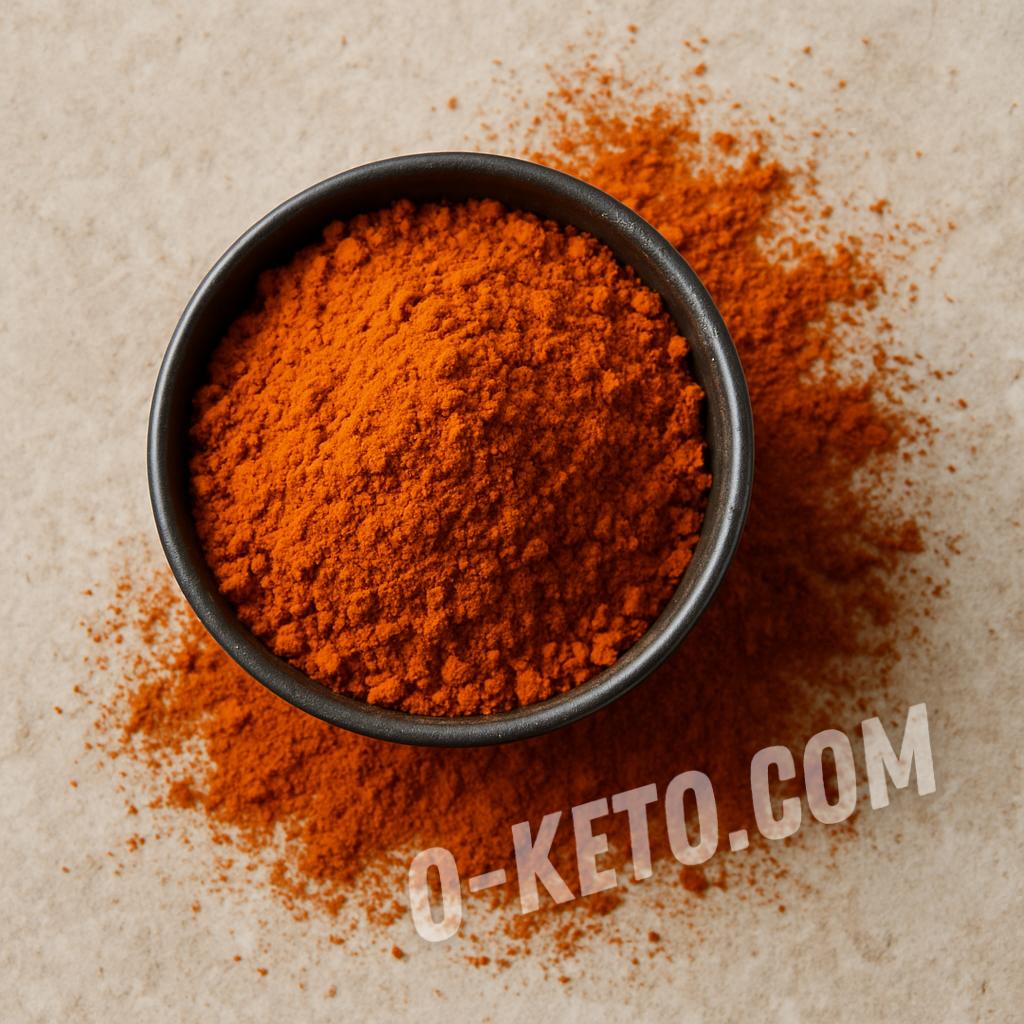

The tikka masala spice blend is a warm Indian spice mixture used for marinades, sauces, and baking. Despite its recognizable restaurant name, it does not have a strict standard: the proportions of coriander, cumin, paprika, turmeric, ginger, fenugreek, chili, garlic, cardamom, and other spices vary in different versions. Therefore, under the same name, both mild aromatic blends for creamy sauces and spicier dry seasonings for marinating poultry, fish, or vegetables can be sold.
What is this blend
Tikka masala has grown out of Indian and British-Indian culinary traditions. The word tikka is usually associated with pieces of meat or fish that are cooked after marination, while masala means a spice mixture. In practice, such a product is needed not to replace all the spices in the kitchen, but to quickly create a recognizable flavor profile: warm, spicy, slightly smoky, sometimes tangy, and moderately hot.
A good tikka masala blend should not just be a red powder with salt and sugar. The value of such a seasoning lies in the balance of aromatic spices, not fillers. If the ingredient list is short and clear, it is easier to incorporate the seasoning into a keto diet and control the flavor of the dish.
What is usually included
The following components are most commonly found in tikka masala:
- coriander and cumin as the basic warm spicy foundation;
- turmeric and paprika for color and mild earthiness;
- ginger, garlic, black pepper, and chili for brightness and heat;
- fenugreek, cardamom, cloves, cinnamon, or nutmeg for a more complex aroma;
- sometimes dried tomato, onion, citric acid, salt, or a small amount of starch in industrial blends.
Due to such variability, tikka masala cannot be considered an absolutely identical product among all manufacturers. In one jar, it may be almost a pure blend of ground spices without salt, while in another, it may already be a culinary preparation with salt, sweeteners, or anti-caking additives.
Taste and culinary use
In terms of taste, tikka masala is usually warm, rich, and spicy, but it does not have to be very hot. It is loved for quickly creating a complex flavor profile without a long list of individual spices. This is especially convenient for keto cooking: the blend works well in rich sauces made with cream, unsweetened yogurt, coconut milk, ghee, or butter.
Tikka masala pairs well with chicken, turkey, lamb, shrimp, white fish, cauliflower, zucchini, eggplant, and thick sugar-free tomato sauces. It can be added to dry marinades, yogurt coatings for the oven, creamy sauces, pureed soups, and vegetable stews. For a vibrant aroma, the blend is often briefly warmed in fat before being combined with the liquid part of the dish.
Nutritional value and keto context
Like other spice blends, the calorie content and composition per 100 g appear significantly higher than the actual contribution to a single serving, as typically 2-10 g is used at a time. The main keto logic here is not that the blend is “carb-free,” but that a working portion is usually small and provides a lot of flavor without sugar, flour, and breading. For keto, what matters is whether the blend contains sugar, dextrose, starch, maltodextrin, and excess salt.
If tikka masala is a pure spice blend without sweet fillers, it usually fits well into LCHF and keto as a flavoring additive. However, when purchasing ready-made sauce packets, it is essential to read the ingredient list separately: such versions may already contain starch, sugar, and technological additives that change the carbohydrate load.
How to choose
When choosing a tikka masala blend, pay attention to several practical points:
- the ingredient list should be clear, without a long list of sugars and cheap fillers;
- the aroma should be bright and spicy, not dusty and faded;
- the color is usually a warm yellow-orange or reddish-brown, without a damp feeling or clumps;
- if strict keto compatibility is needed, blends without added sugar and starch are preferable;
- if you are sensitive to heat, it is better to choose mild or salt-free versions without excessive chili.
How to use at home
In home cooking, tikka masala works best in three scenarios. The first is a dry marinade or a blend with salt and oil for chicken, fish, and shrimp. The second is a quick spicy base for sauces made with cream, yogurt, or coconut milk. The third is vegetable dishes where depth is needed for cauliflower, zucchini, eggplant, or mushrooms without the complex step-by-step frying of a dozen spices.
For a softer, more restaurant-like flavor, the blend can be combined with oil, garlic, sugar-free tomato paste, and cream. For a drier and more concentrated profile, it is used as a coating before baking or frying. If the blend already contains salt, this should be taken into account in advance to avoid over-salting the dish.
Storage and limitations
Store tikka masala tightly closed, in a dry cupboard, away from the stove, steam, and direct light. Ground blends lose aroma faster than whole spices, so it is better to buy large packages only if you truly use them often. Signs of an exhausted blend include a weak smell, dull color, and dusty flat taste.
People with sensitive gastrointestinal tracts, reflux, or intolerance to spicy foods should consider the composition of the specific blend: the most questions usually arise regarding chili, pepper, garlic, and acidic additives. For strict dietary protocols, the term “tikka masala” itself is not as important as the actual ingredient list on the packaging. The cleaner the composition, the easier it is to predict both the metabolic response and the flavor in the finished dish.


