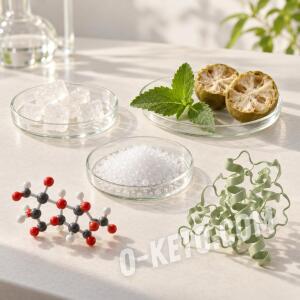


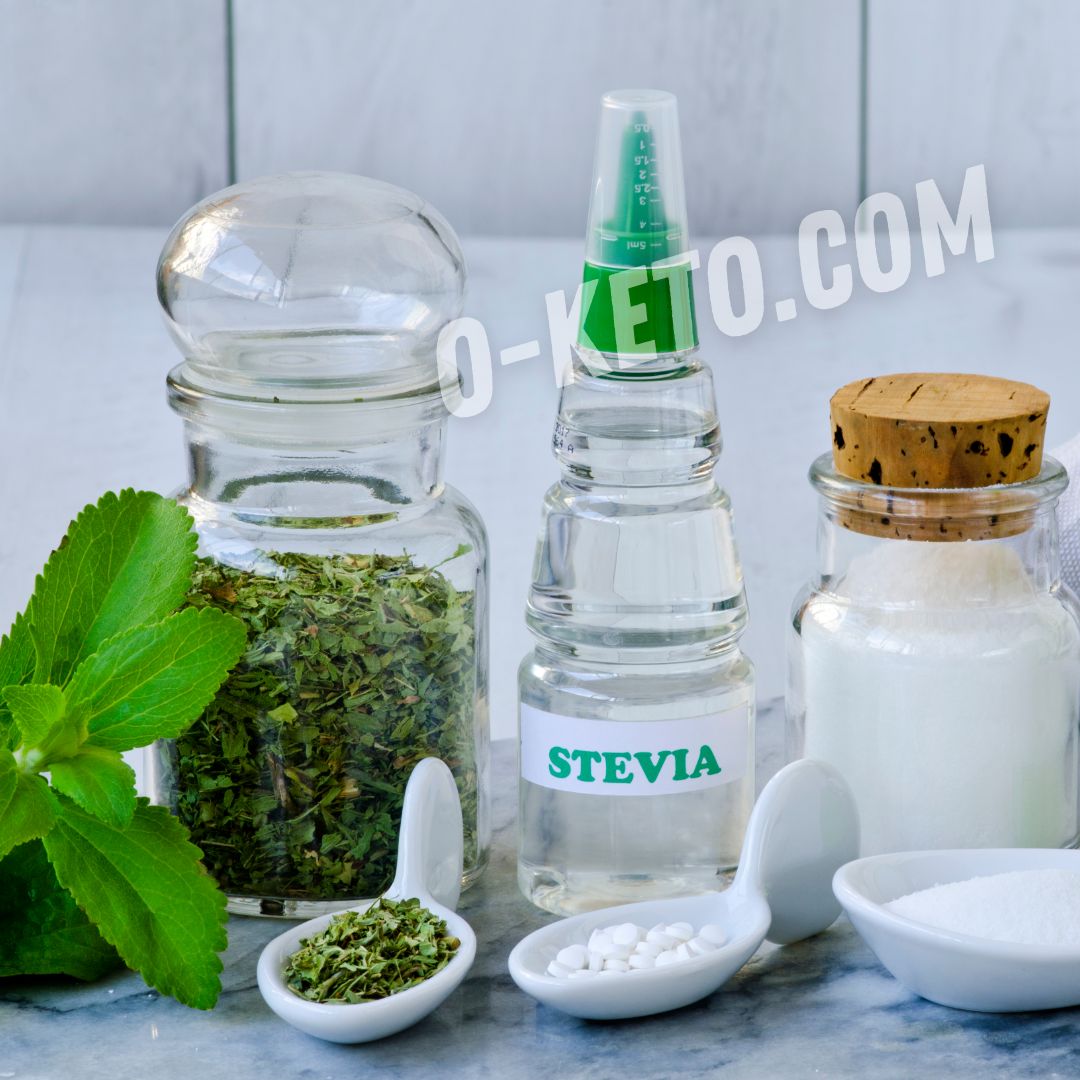

Stevia is a sweetener made from the plant Stevia rebaudiana. Food products usually use purified steviol glycosides rather than dried leaves: rebaudioside A, stevioside, and related compounds. They are many times sweeter than sugar, so the practical serving is very small: a few drops, one tablet, or a fraction of a teaspoon of powder.
Stevia has a recognizable taste. It gives sweetness without the familiar bulk of sugar, and some forms have herbal, licorice-like, or slightly bitter notes. For that reason, stevia should not be judged only by the front label. The form, concentration, filler, and intended use all matter: coffee, tea, cottage cheese, sauce, cream, or a homemade dessert will show it differently.
Nutrition
Pure steviol glycosides add almost no calories and no meaningful digestible carbohydrates in a usual serving. This is the main difference from sugar, honey, syrups, and fruit concentrates: they are sweet because they contain sugars, while stevia is sweet because its glycosides are very intense.
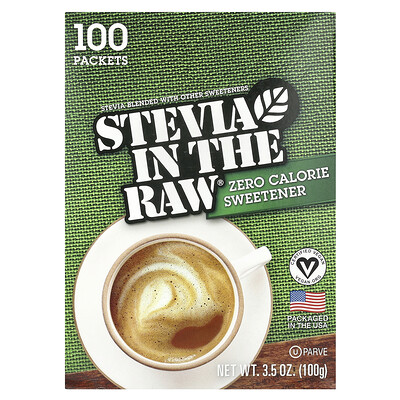
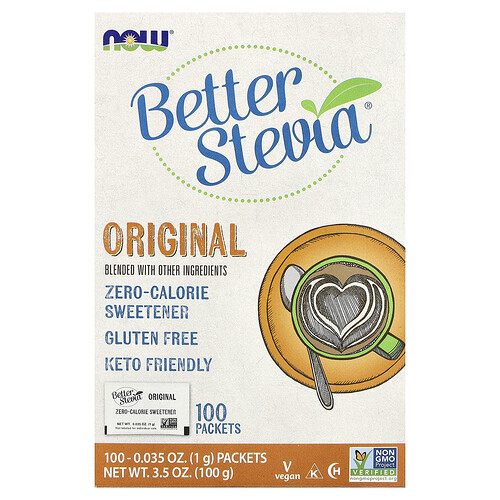
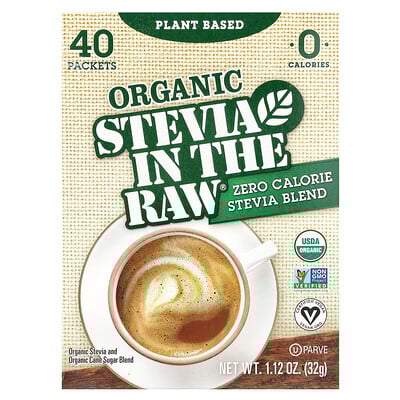
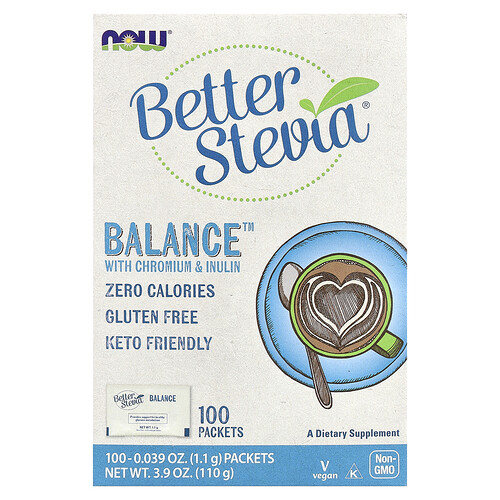
A store-bought product, however, is not always only stevia. Powdered blends may contain erythritol, inulin, dextrose, maltodextrin, lactose, flavorings, or anti-caking agents. That can help taste and dosing, but for keto the ingredient list matters. If a blend contains dextrose or maltodextrin, its carbohydrates should be counted from the label even when the front says “stevia”.
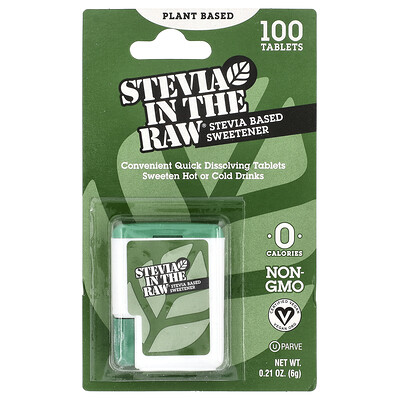
Liquid drops are often easier to dose in drinks, but their base also deserves attention: water, glycerin, alcohol, flavorings, or acids can change the taste. Tablets are convenient away from home, yet they often contain processing ingredients that help the tablet dissolve and hold its shape.
Keto and LCHF use
Stevia can fit keto and LCHF when it has no sugar-based fillers and when the taste works for the person using it. It can replace sugar in coffee, tea, unsweetened lemonade, plain yogurt, cottage cheese, cream, sauces, and some desserts. Still, it does not replace sugar one for one by weight: a teaspoon of sugar gives not only sweetness but also bulk, moisture, browning, and texture.
In a strict menu, it is better to start with the smallest dose. Too much stevia does not make a dish “sweet like sugar”; it often creates a sharp aftertaste. A smoother result usually comes from combining stevia with erythritol, allulose, or monk fruit. Such blends feel closer to sugar, but their ingredient lists should still be checked separately.
How to use it
In hot drinks, stevia should be added gradually and stirred until fully dissolved. For coffee, neutral drops or tablets often work best; vanilla and caramel versions can stand out even in a small amount. In tea, the herbal note can be more noticeable, especially in green and white tea.
For cold drinks, liquid drops are convenient because powders and tablets dissolve more slowly. For homemade lemonade, it is better to mix stevia first with a little warm water and then combine it with the cold base, ice, lemon, mint, or cucumber.
In creams, mousses, and cottage-cheese mixtures, stevia is best added after acidic ingredients and salt. Acid, vanilla, cinnamon, cocoa, cream, and a pinch of salt help round the taste. If too much powder is added at once, bitterness is harder to correct than adding one more drop at the end.
For doughs and keto desserts, stevia needs a recipe designed for an intense sweetener. It does not provide bulk, does not hold moisture like sugar, and does not create a caramel crust. In sponge cakes, baked cheesecakes, waffles, and muffins it is therefore often combined with a bulk sweetener, nut flour, cream cheese, eggs, and fat.
How to choose
The package should be read beyond the word “stevia”. The full ingredient list is more important. A useful sign is a clear conversion guide: how many drops, tablets, or grams replace a teaspoon of sugar. With that information, it is easier not to oversweeten the dish.
For drinks, drops or tablets are convenient. For creams and desserts, powders and blends distribute more evenly. For people sensitive to sugar alcohols, it is important to check whether stevia is mixed with erythritol, because the reaction to such a blend no longer depends only on stevia itself.
Dried leaves and homemade infusions give a more plant-like flavor and less predictable sweetness. They can be used as an herbal addition, but for precise sugar replacement in recipes, purified standardized forms are usually easier.
Limits
Stevia does not have to suit every palate. If the aftertaste gets in the way, it is better to change the form or use a blend with another sweetener instead of increasing the dose. For some people, a very sweet taste keeps dessert cravings active even when the serving contains little carbohydrate. This is not a universal property of stevia, but it is a practical point worth observing in one’s own menu.
Large amounts of sweeteners may cause abdominal discomfort, especially when the blend contains polyols, inulin, or other fillers. During pregnancy, breastfeeding, menu planning for children, or complex medication use, regular use of concentrated sweeteners should be discussed with a qualified professional.
Storage and substitutes
Stevia should be stored tightly closed, away from moisture, heat, and direct light. Powder absorbs odors and clumps easily, tablets do not like a wet spoon, and liquid drops should be closed right after use so the concentration remains stable.
Stevia can be replaced with erythritol, allulose, monk fruit, or a blend of several sweeteners. Drops of another type are convenient for drinks, a powdered blend works better for cream, and allulose is useful when a caramel-like taste is needed. Honey, agave syrup, maple syrup, and coconut sugar are not equivalent keto substitutes: they are sweet, but they contain meaningful amounts of sugars.