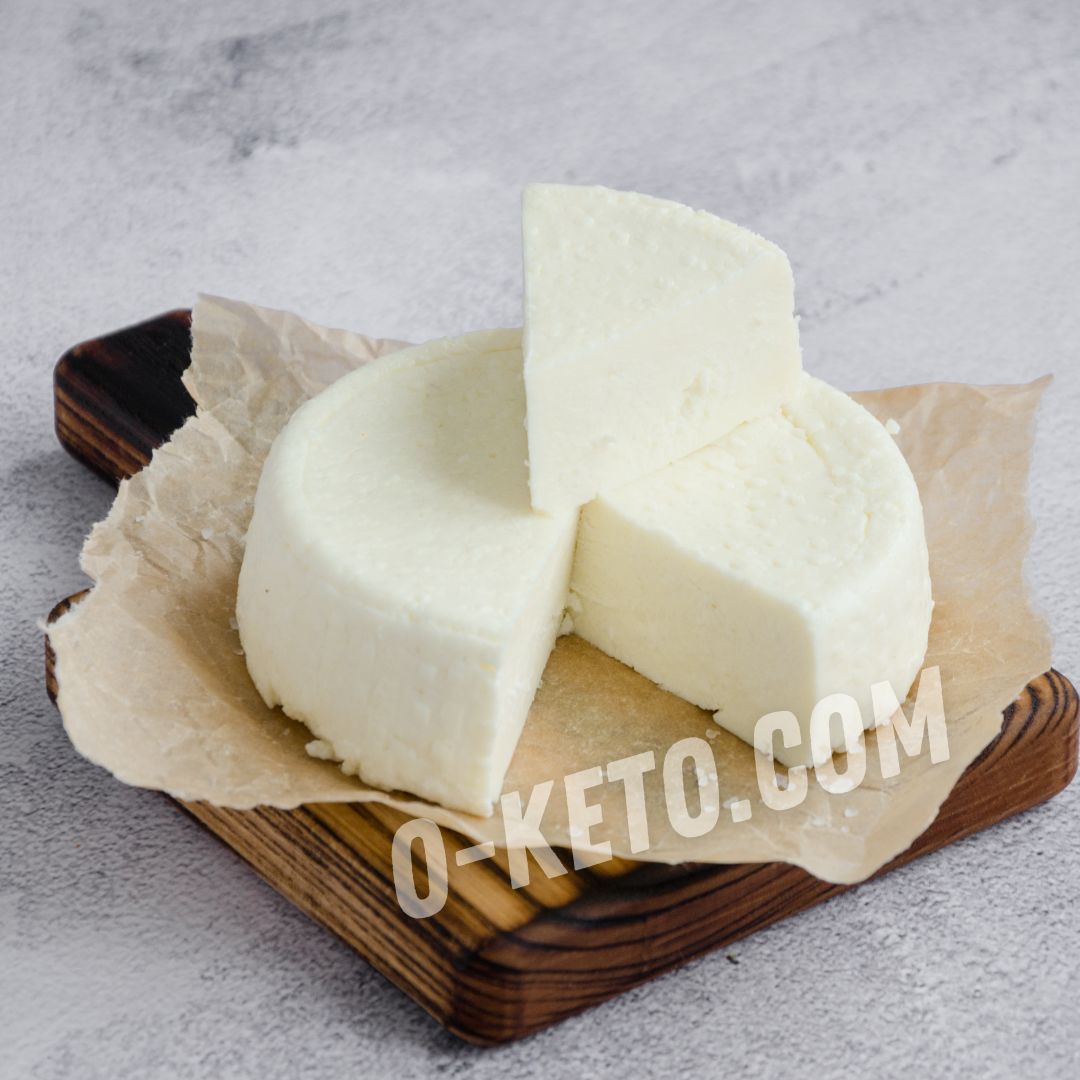

Soft cheese is not one variety but a large group of cheeses with a moist, tender, or creamy texture. It includes Brie, Camembert, ricotta, mascarpone, feta, fresh cream cheeses, and some cheeses with noble mold. They differ in aging time, fat content, saltiness, acidity, and how they behave in dishes.
The main feature of soft cheeses is high moisture. Because of it, the taste feels more milky and delicate, but shelf life is usually shorter than that of hard cheeses. Some varieties are spread on a crispbread or cucumber, others crumble into salad, melt into sauce, or form a creamy base for sugar-free desserts.
Varieties
Soft cheeses have different culinary roles. Brie and Camembert have a white mold rind and a soft center; they are served at room temperature, baked, or added to cheese boards. Feta is salty and crumbly, good with cucumber, olives, herbs, and meat. Ricotta is grainy and mild, suitable for casseroles, fillings, and delicate creams. Mascarpone is fatty and almost sweet-creamy, so it is often used in desserts.
Gorgonzola and similar blue cheeses can also be soft, but their flavor is sharp, salty, and spicy. They are usually added in small portions: to sauce, salad, omelet, or meat. So when choosing, the specific variety and its role in the dish matter more than the general word “soft”.
Nutritional value
Nutritional value depends strongly on the variety. In 100 g of Camembert there are usually about 280–320 kcal, roughly 18–21 g of protein, 22–25 g of fat, and very few carbohydrates. Mascarpone has less protein and more fat. Ricotta and cream cheeses vary depending on milk, cream, and additions.
Soft cheeses contain protein, milk fat, calcium, phosphorus, vitamin A, and B vitamins. But they should not be treated as identical: brined feta is saltier, mascarpone is fattier, ricotta is milder, and Brie or Camembert is more aromatic. For keto, the carbohydrates, fat level, and ingredient list of the specific package matter.
Is it suitable for keto?
Most natural soft cheeses fit keto and LCHF well because they contain few carbohydrates and provide fat, flavor, and satiety. Brie, Camembert, feta, unsweetened cream cheese, mascarpone, and blue cheeses are usually convenient for a keto plate. They can be paired with eggs, avocado, herbs, cucumbers, mushrooms, fish, meat, and nuts.
Problems usually come not from cheese itself but from additions. Sweet cheese creams, dessert masses, glazed curd snacks, spreads, and sauces may contain sugar, starch, syrups, fruit fillings, and thickeners. Even cream cheese should be checked by label: in a simple version the ingredient list is short, while dessert versions may contain many carbohydrates.
How to use it
Soft cheese can be served as a snack, added to an omelet, turned into a sauce for chicken or fish, mixed with herbs for a filling, baked with mushrooms, or used as a base for a keto dessert. Brie and Camembert open better at room temperature. Feta keeps its shape in salads. Mascarpone is easy to mix with cocoa, vanilla, and a sugar-free sweetener.
Different varieties behave differently when heated. Cream cheese and mascarpone blend easily into sauce, Brie melts softly, while feta does not become a smooth mass and mostly crumbles. If a smooth sauce is needed, cheese is added over low heat and not boiled for long.
How to choose
The ingredient list should be clear: milk or cream, starter culture, enzyme, salt, and sometimes mold culture. For keto, it is better to avoid sugar, starch, vegetable oils, and sweet fillings. In cheese with a mold rind, the smell should be characteristic but not ammoniacal or unpleasantly sharp.
The package should be intact, without swelling or excess liquid. A too-wet surface, slime, pink or black spots, and bitter odor are reasons to refuse the product. For cheeses made from unpasteurized milk, a reliable producer and expiration date matter especially.
How to store it
Soft cheeses are kept in the refrigerator and opened close to use. After opening, keep them in a clean container or wrapped in cheese paper so the product does not dry out or absorb odors. Feta in brine is kept in brine, and cream cheese is closed tightly.
Because of high moisture, soft cheeses spoil faster than hard ones. If a sharp odor, slime, gas, wrong type of mold, or noticeable bitterness appears, the product is better not used.
What can replace it?
The replacement depends on the role. For spreading, cream cheese, ricotta, or soft goat cheese can work. In salad, feta can be replaced with bryndza or young goat cheese. For baking, Camembert can replace Brie. In desserts, mascarpone can sometimes be replaced with cream cheese mixed with cream.