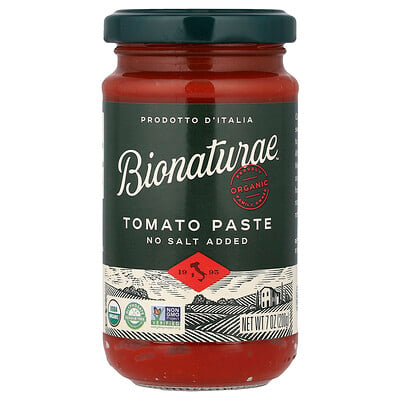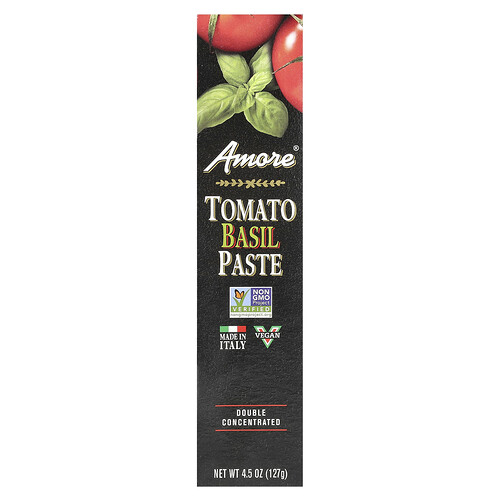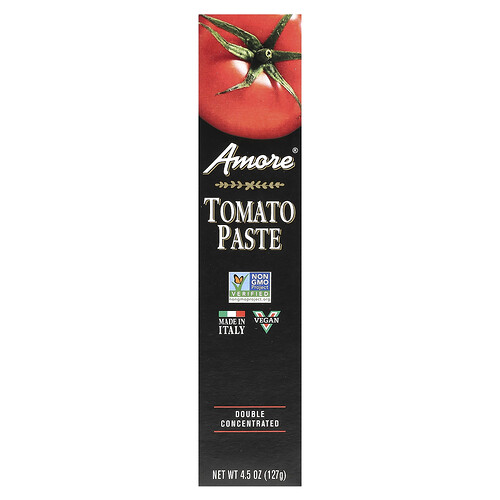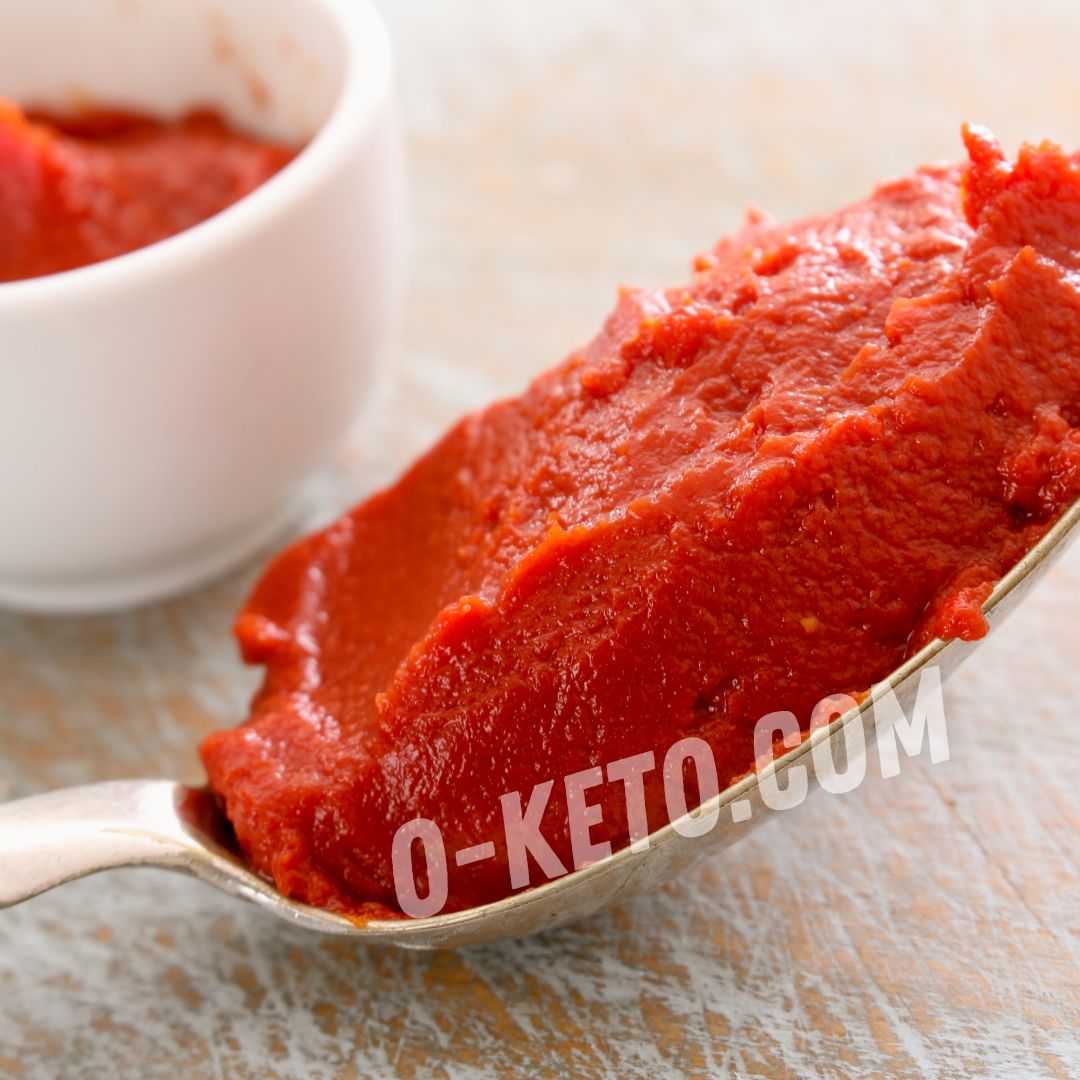

Tomato paste is a concentrated product made from cooked-down tomatoes. It contains less water than tomato sauce, so flavor, acidity, sweetness and carbohydrates per spoon are stronger. On keto it is used not as a large vegetable base, but as an intense seasoning for sauces, stews, soups and marinades.
Good tomato paste contains tomatoes and possibly salt. Sugar, starch, flour, syrups and sweet sauces change the product and make it less convenient for a low-carb diet. The more concentrated the paste, the more carefully the portion should be measured.
Nutrition
Per 100 g, tomato paste may contain about 82 kcal, around 4 g of protein, 0.5 g of fat and 18 g of carbohydrates. Its glycemic index is often estimated around 30-38, and glycemic load depends on amount. In practice, a serving is often 10-30 g, so it can fit keto.
Tomato paste contains potassium, vitamin C, folate, vitamin B6 and lycopene. Lycopene is a tomato pigment that is absorbed better with fat, so paste pairs well with olive oil, butter, meat or cheese. This is not a reason to promise treatment effects; the whole diet and portion still matter.
Is It Keto-Friendly?
Yes, if the paste has no sugar and is used moderately. One teaspoon gives a lot of flavor and color with a small amount of carbohydrates. Problems appear when half a jar is added or paste is treated like a light sauce without considering concentration.
For strict keto, measure tomato paste by spoon or grams. If the dish also contains onion, carrot, sweet pepper or cream, count carbohydrates together rather than treating each small ingredient separately.
How to Use It
Tomato paste benefits from brief heating in fat before liquid is added. This softens the raw acidity and deepens the color of the sauce. Then broth, cream, water, spices, meat or vegetables can be added.
Practical options include:
- base for sugar-free meat sauce;
- an addition to stewed beef or lamb;
- tomato cream sauce for chicken;
- marinade with oil, garlic and paprika;
- deeper flavor for soup without potatoes or grains.
How to Choose
Check ingredients and carbohydrates per 100 g. Tomato paste does not need sugar, glucose syrup, starch, flour, apple puree or excessive flavorings. Salt is acceptable, but if there is a lot, salt the dish more carefully.
A small jar or tube is convenient if you use paste by teaspoons. After opening, it spoils quickly: cover the surface with a thin layer of oil or move leftovers into a small container and freeze in portions.
Limits and Substitutes
Tomato paste is acidic and concentrated, so it may not suit reflux or a sensitive stomach. For some people, tomato sauces increase appetite, especially when paired with sweet flavors. Start with a small spoon and observe the response.
Substitutes include sugar-free strained tomatoes, fresh tomatoes in a less concentrated form, roasted pepper, paprika, a cream-and-spice sauce or a small amount of sun-dried tomatoes if they contain no sugar and no questionable oil.
Portion and Dish Flavor
Tomato paste often looks like a small addition, but it can noticeably raise carbohydrates in a sauce. For one or two servings, a teaspoon or dessert spoon is usually enough. If thickness is needed, reduce the sauce, add cream, cheese or a little cauliflower puree instead of simply increasing paste.
The acidity of tomato paste can be softened with fat and cooking time. Oil, meat juices, cream, cheese and spices make the flavor rounder without sugar. If the sauce tastes harsh, a pinch of salt, paprika, oregano, garlic or slower simmering usually helps more than sweetening.
Storage After Opening
Opened tomato paste darkens and spoils quickly, especially if crumbs or a wet spoon get into the jar. Move leftovers into a small container, cover with a thin layer of oil or freeze in teaspoon portions. This makes the amount easier to control and avoids wasting half a jar.
If the paste begins to bubble, grows mold, develops a sharp smell or tastes metallic, boiling should not be used to save it. A concentrated product is convenient only when it is fresh and the ingredients are clear.