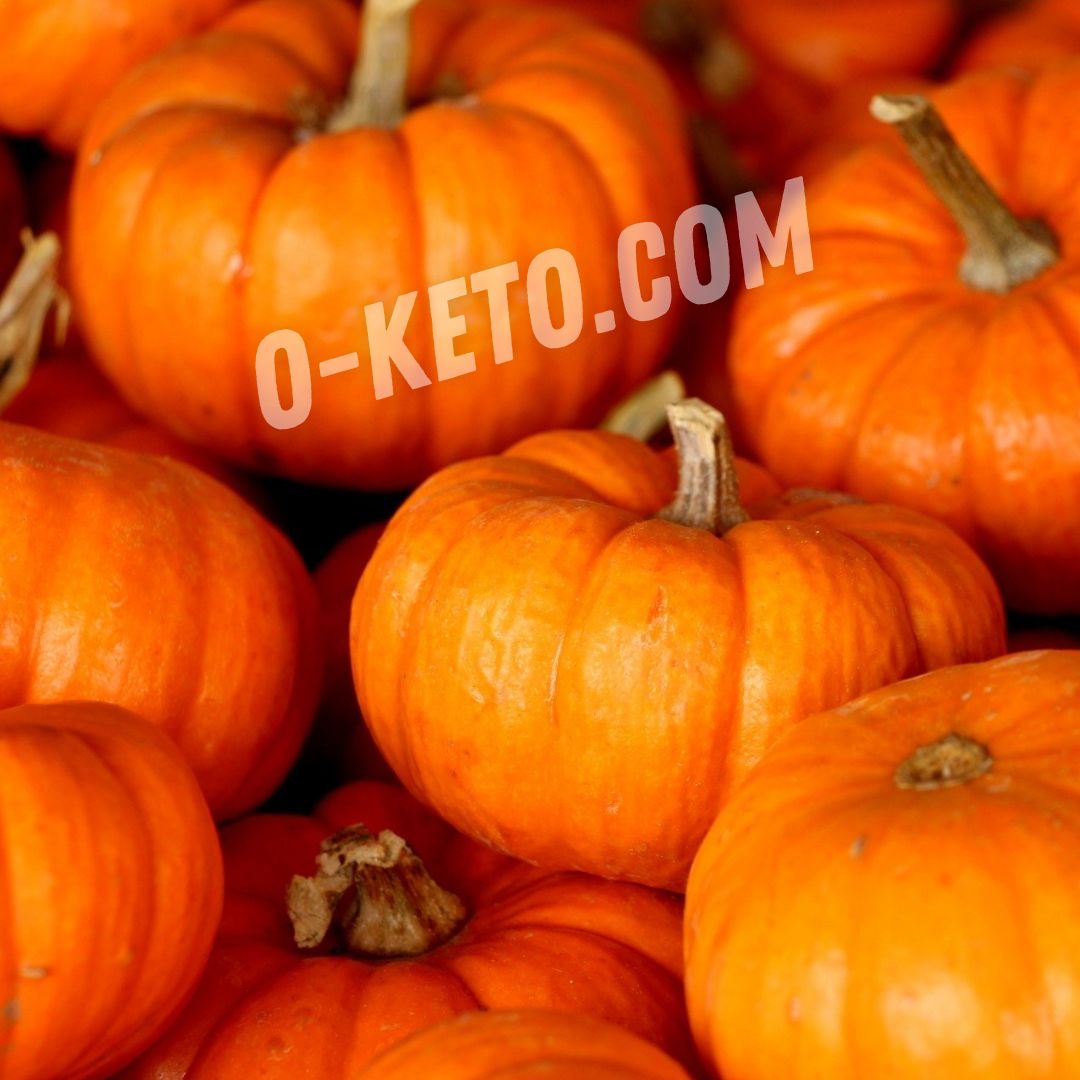

Pumpkin is a mildly sweet vegetable with dense flesh, soft aroma and bright orange color. It is baked, stewed and added to soups, purees, sauces, fillings, pancakes, sugar-free desserts and spiced side dishes. Unlike zucchini or cucumber, pumpkin tastes noticeably sweeter and starchier, so on keto it is used carefully.
The orange color comes from carotenoids, including beta-carotene. Pumpkin also contains potassium, vitamin C, some fiber and natural sweetness. But the practical question is not how “autumnal” or attractive it is, but serving size: even unsweetened pumpkin can add carbohydrates to a dish quickly.
Nutrition
The older description listed approximate values per 100 g: about 26 kcal, 1 g of protein, 0.1 g of fat and 6.5 g of carbohydrates. The glycemic index may be listed around 75, and the glycemic load around 3 for a small serving. This shows why both numbers matter: the index is high, but a portion with a moderate carbohydrate amount may have a modest load.
For strict keto, pumpkin is best counted in advance. A 30-70 g portion in soup, puree or side dish is usually easier to fit than a large plate of baked pumpkin. If the recipe also contains onion, carrot, nuts, cream, cheese or low-carb flour, the whole recipe should be counted, not only the pumpkin.
Is It Keto-Friendly?
Pumpkin can fit keto as a small flavor addition, but not as the base of the plate. It is especially useful where a sweet note is needed: in cream soup divided into several servings, meat sauce, egg and cheese casserole, spiced puree or sugar-free dessert. Fat and protein make the dish more filling and help keep the pumpkin portion smaller.
In moderate LCHF, pumpkin is easier to use, but eating it in large pieces quickly raises daily carbohydrates. Canned pumpkin puree should be checked by ingredient list: it should not contain sugar, syrups, flour or a ready sweet pie mix.
How to Use It
Pumpkin pairs well with butter, cream, eggs, cheese, unsweetened coconut milk, ginger, cinnamon, nutmeg, paprika, garlic, sage, rosemary and thyme. In savory dishes it works especially well with meat, poultry, bacon, mushrooms and hot spices.
Practical options include:
- a small portion in cream soup with cream and cheese;
- baked cubes as an accent with meat or poultry;
- puree with butter and spices instead of a sweet side dish;
- an addition to egg casserole or frittata;
- sugar-free pumpkin cream with cinnamon and cream.
Pumpkin, Seeds and Oil
Pumpkin flesh, pumpkin seeds and pumpkin seed oil are different products. The flesh provides more carbohydrates and volume, seeds contain more fat and protein, and oil is almost entirely fat. Conclusions about one of them should not be transferred to the others.
If pumpkin flavor is wanted with less flesh, spices, a few pumpkin seeds or a drop of pumpkin seed oil can be added to the finished dish. The aroma becomes stronger while the amount of flesh stays moderate.
How to Choose and Store
A good pumpkin is heavy for its size, with firm skin and no soft wet spots, mold or fermented smell. Cut flesh should be bright, not slimy and without dark collapsed areas. The sweeter the variety, the more carefully the portion should be counted.
A whole pumpkin should be kept in a cool dry place. Once cut, it should be covered, refrigerated and used within the next few days. Cooked puree is convenient to freeze in 30-50 g portions for soups and sauces without recalculating a whole piece.
Substitutes
If a lower-carb base with similar softness is needed, cauliflower, zucchini, a small portion of turnip or cauliflower puree with spices are often used. If the goal is an autumn-like sweet note, a little carrot, pumpkin spice or a small portion of pumpkin itself can work.
In desserts, part of the pumpkin can be replaced with cream cheese, mascarpone, unsweetened coconut milk or chia, while cinnamon, ginger, vanilla and nutmeg create the aroma. The dish keeps a similar mood but becomes easier to control by carbohydrates.
Pumpkin changes a lot depending on cooking method. During baking, water evaporates, the flavor becomes sweeter and the portion weighs less, so carbohydrates per spoonful of finished product feel more concentrated. In soup or sauce, pumpkin spreads through the volume, and the same weight is easier to divide into several servings. For tracking, it is better to weigh pumpkin before cooking or record the total weight of the finished dish.