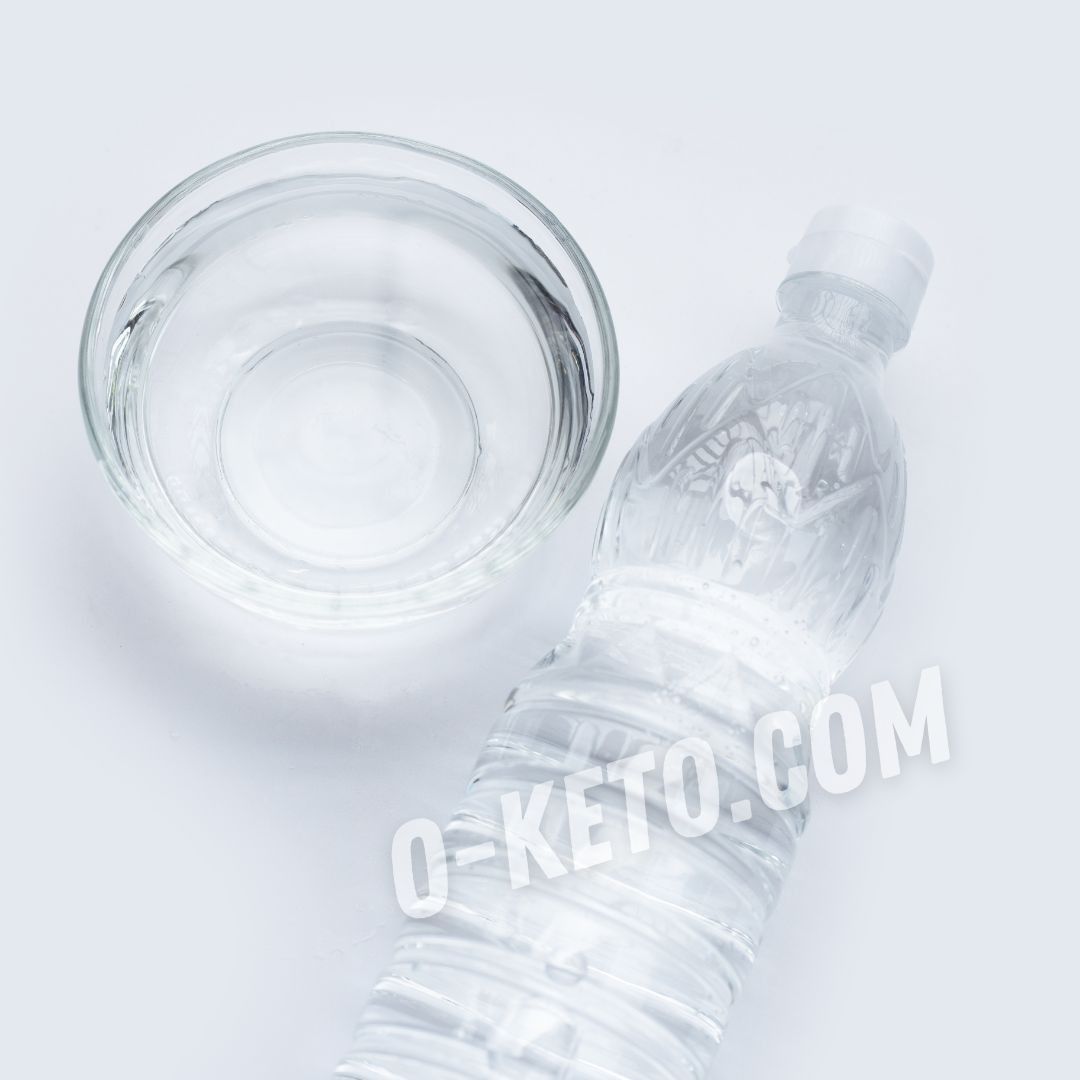

Vinegar 9% is a solution of acetic acid in water with a higher concentration than most table, apple, or wine vinegars. It is used in marinades, preservation, sauces, dressings, stewing, pickled vegetables, and household tasks. In cooking, it is a source of sharp acidity, so it is almost always diluted or added in small amounts.
This vinegar differs from milder 3-6% vinegars by strength. The same spoonful of 9% vinegar gives much more aggressive acidity, so it cannot be mechanically substituted for apple, wine, or rice vinegar. A recipe must account for concentration, total liquid, and how sensitive the food is to acid.
Nutrition
Vinegar 9% contains almost no protein, fat, or carbohydrates. Calories are usually low, about 20 kcal per 100 ml, but the real serving is much smaller: a teaspoon or tablespoon for a dish, marinade, or jar of vegetables. The glycemic index is practically irrelevant because there is no sugar in it.
The older text mentioned that vinegar may contain traces of minerals or vitamins depending on raw material. For 9% table vinegar, this is not meaningful: it is not used as a nutrient source. Its role is acidity, flavor, technical action in a marinade, and support for preservation when the recipe is correct.
Place in keto and LCHF
Plain 9% vinegar fits keto and LCHF: a normal portion has almost no carbohydrates. It helps make fatty dishes taste lighter, add acidity to salad, balance sauce, and marinate cucumbers, cabbage, mushrooms, meat, or fish without sugar.
Ready marinades and vinegar sauces need checking. They often contain sugar, honey, syrups, starch, sweet ketchup, or fruit juice. Vinegar itself does not interfere with a low-carb diet, but sweet brine or ready sauce must be counted separately.
How to use
For salad dressing, 9% vinegar is usually diluted with water, oil, or vegetable juices. Start with a small amount: 1 teaspoon may be enough for a bowl of salad when there is oil, salt, and herbs. In mayonnaise and sour-cream sauces, add vinegar drop by drop so the acidity does not become harsh.
In marinades, vinegar works with salt, spices, and time. It should not fully “cook” meat or fish: too much acid makes the surface loose and dry. For vegetable preserves, do not change concentration and proportions randomly because they affect flavor and storage.
If a recipe is written for 6% vinegar, the 9% version is usually used in a smaller amount or diluted with water. For salads, it is easier to make a weak solution in a separate cup first and only then add oil. This lowers the risk of making the dish too sharply acidic.
Substitutes
If a milder taste is needed, 9% vinegar can be replaced with apple cider vinegar, wine vinegar, rice vinegar, or lemon juice, but the concentration will differ. Sometimes 9% vinegar is diluted with water to create a milder solution. Exact proportions depend on the recipe.
Balsamic vinegar and ready vinegar creams are not direct keto substitutes because they often contain more sugar. For neutral acidity, plain table vinegar, lemon juice, or unsweetened apple cider vinegar is usually better.
Limits
Do not drink 9% vinegar undiluted. The acid can irritate the mouth, esophagus, and stomach, and frequent contact can affect tooth enamel. After acidic drinks or dressings, rinse with water, but do not brush teeth hard immediately after acid exposure.
With reflux, gastritis, ulcers, irritated mucosa, or a sensitive stomach, vinegar may cause discomfort. Caution is also needed with regular medicines if a clinician has already limited acidic foods or vinegar. In such cases, use a milder acid or skip the addition.
Storage
Store vinegar tightly closed, away from children, light, and heat. The bottle should be labeled and not poured into drink bottles so nobody accidentally drinks a concentrated solution. In the kitchen, it is convenient to keep a small bottle for cooking and the main container for preserves.
If vinegar becomes cloudy, changes smell, develops foreign flakes, or the package is damaged, replace it. For home preservation, fresh vinegar, clean dishes, and exact recipe proportions are especially important.
Do not use 9% vinegar as a daily drink or take it by spoonfuls on its own. Its place is in a recipe, dressing, or marinade where the acid is distributed through a larger amount of food. For a mild taste, a few drops are often enough.