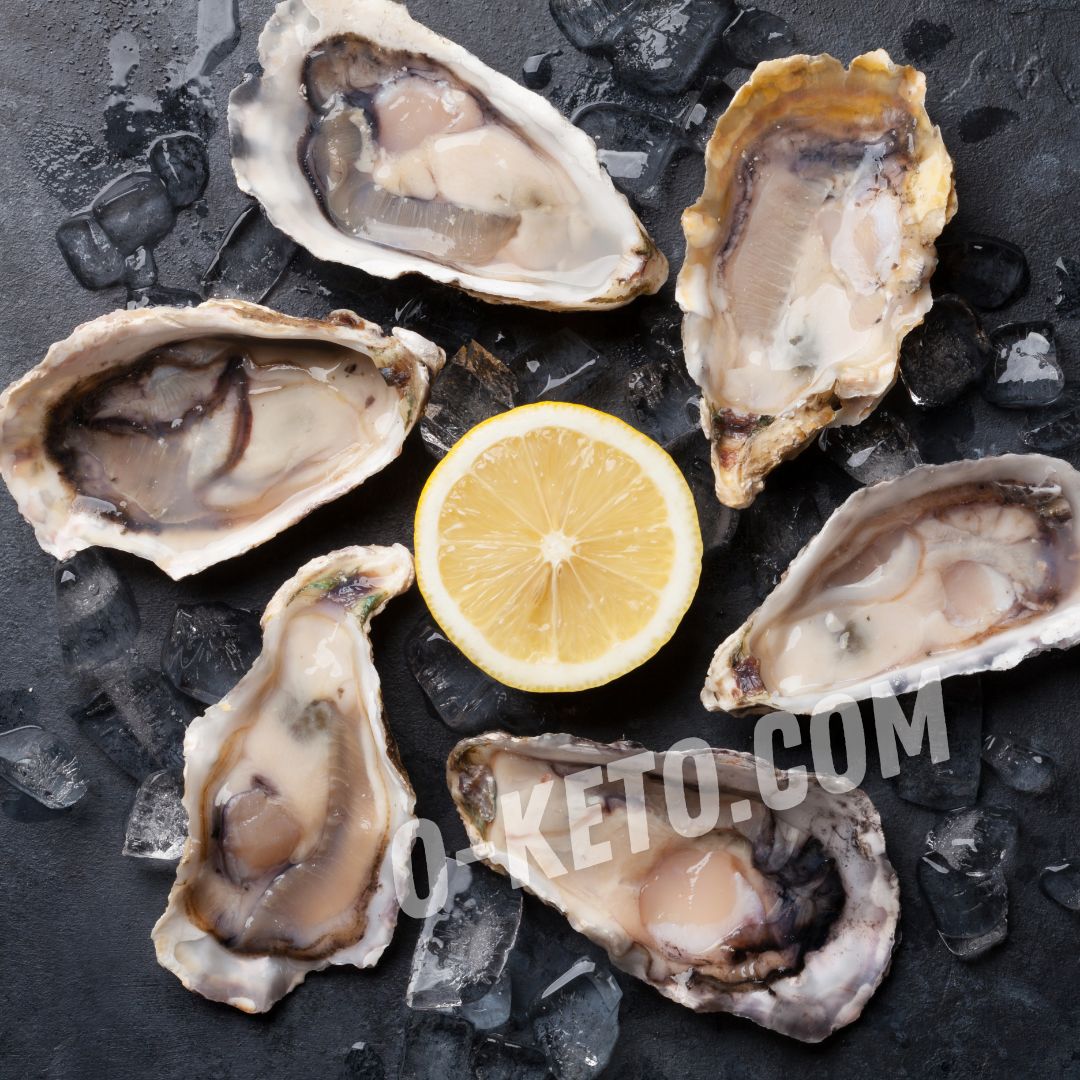

Oysters are marine bivalve mollusks with a salty flavor, delicate texture and a taste that depends strongly on where they were grown. Some batches seem more mineral and ocean-like, while others are softer with light sweetness. They are served raw on ice, baked, steamed, added to sauces, soups and egg dishes.
For keto, oysters are interesting as a food with protein, a small amount of fat and moderate carbohydrates for seafood. They are not a zero-carbohydrate product: per 100 g, values around 4-5 g of carbohydrates are often listed. Portion and serving style matter, especially when sweet sauces, breading or bread are added.
Nutrition
Per 100 g, oysters usually provide about 60-80 kcal, roughly 8-10 g of protein, 1-3 g of fat and several grams of carbohydrates. One medium oyster may provide about 10 kcal, but size varies widely. They may also contain vitamin B12, zinc, selenium, iron, copper, iodine and omega-3 fatty acids.
These values make oysters a micronutrient-dense seafood, but not a reason for special promises. In a practical menu, they work as a delicate protein appetizer or part of a dish, not as the main energy source. Satiety usually comes only with butter, eggs, sauce or another fattier component.
Are They Keto-Friendly?
Oysters can fit keto and LCHF when served without sweet sauces, crumbs, flour or breading. A classic serving with lemon, vinegar, sugar-free hot sauce or butter is easier for carbohydrate control. Sweet cocktail sauce, ketchup-based sauce, baked crumbs and bread on the side quickly change the dish.
On strict keto, count not only the oysters but also the additions. A dozen small oysters and a dozen large oysters are different portions. In a restaurant dish, ask about the sauce: mignonette, Asian marinades and prepared sauces may contain sugar.
Raw and Cooked
Raw oysters require excellent freshness, correct storage temperature and a reliable seller. The shell should be closed or close when tapped lightly, and the smell should be clean and ocean-like, without rot or sharp sourness. If the shell is damaged, does not close or smells unpleasant, do not eat it.
Cooking reduces some risks linked with raw seafood and makes the flavor softer. Oysters can be quickly baked with butter and herbs, steamed or added to soup near the end. Long cooking makes the flesh rubbery, so they need little time.
How to Use Them
Oysters pair well with lemon, dry vinegar, butter, parsley, garlic, hot pepper, eggs, spinach, cream and a small amount of hard cheese. Their flavor is delicate, so heavy sauces can easily cover it.
Practical options include:
- raw oysters with lemon and sugar-free hot sauce;
- baked oysters with butter and herbs;
- omelet or egg bake with a small amount of oysters;
- creamy seafood soup without flour;
- warm appetizer with spinach and cheese.
Size, Portion and Buying
Oyster size affects not only price but also the cooking task. Small oysters are convenient for raw serving and tasting, while larger ones are more often baked or used in hot dishes. If the portion is an appetizer, a few pieces are usually enough; if it is part of a main dish, sauce, butter, cheese and other additions also need to be considered.
It is better to buy oysters on the day of serving or as close to it as possible. Keep them cold, but do not freeze oysters in shells intended for raw serving. At home, do not soak shells in fresh water: oysters are marine mollusks, and fresh water worsens quality. Before opening, scrub the shells to remove sand and fragments.
Canned Oysters
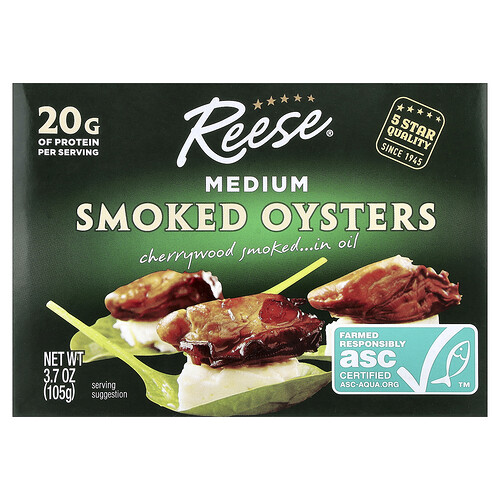
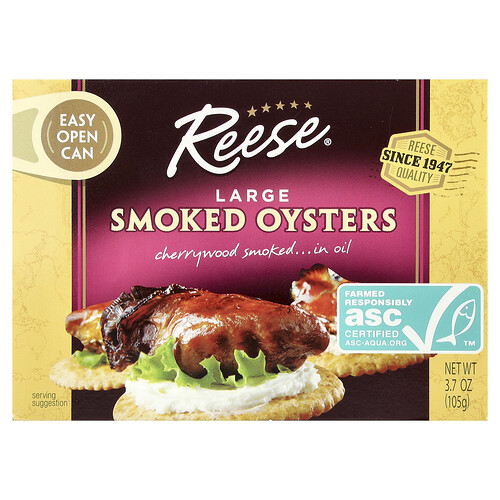
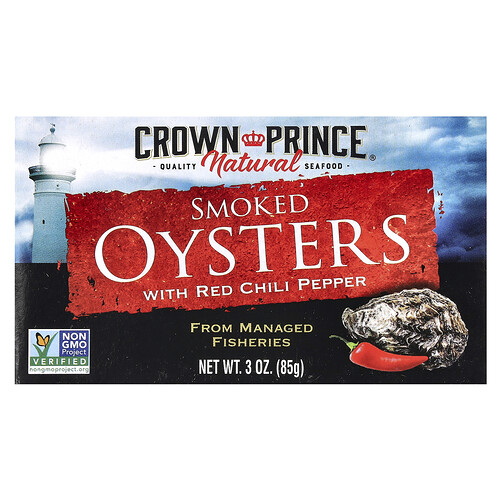
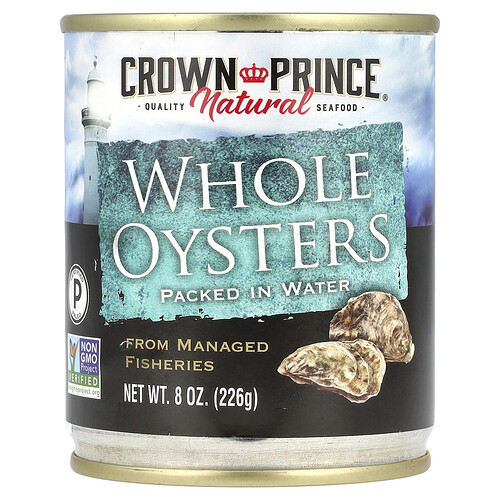
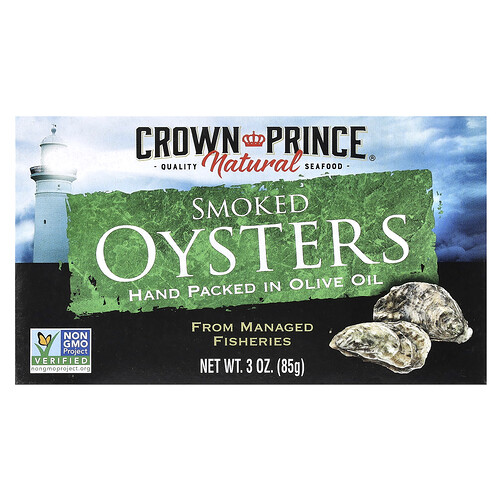
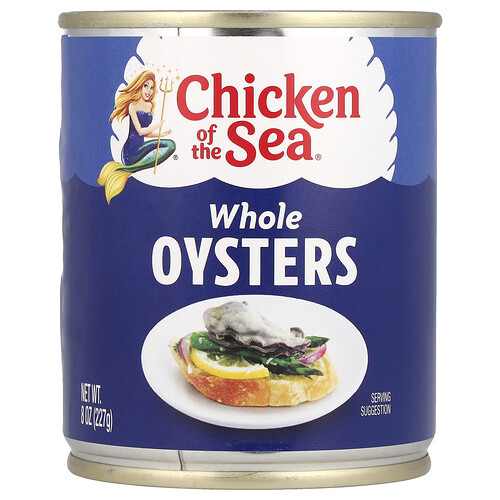
Canned or smoked oysters are a different product. They are easier to store and usually simpler to handle, but flavor, salt, oil and additives need separate checking. A can may contain vegetable oil, sauce, sugar or flavorings, so for keto the label matters more than the word “oysters.”
Smoked oysters work well with eggs, salad, cucumber, avocado and cream cheese. They should not be heated for long: they are already cooked, and strong reheating makes the texture dry and firm.
Limits and Substitutes
Raw oysters are unsuitable during pregnancy, for people with weakened body defenses, serious chronic conditions or instructions to avoid raw seafood. Shellfish allergy is a separate contraindication. Salt and origin also matter: mollusks filter water, so sourcing and quality control are critical.
Oysters can be replaced with mussels, scallops, shrimp, crab or white fish, but flavor and texture will differ. If a cold salty appetizer is needed, lightly salted fish, roe or shrimp with lemon can work, though they will not repeat the mineral taste of oysters.