


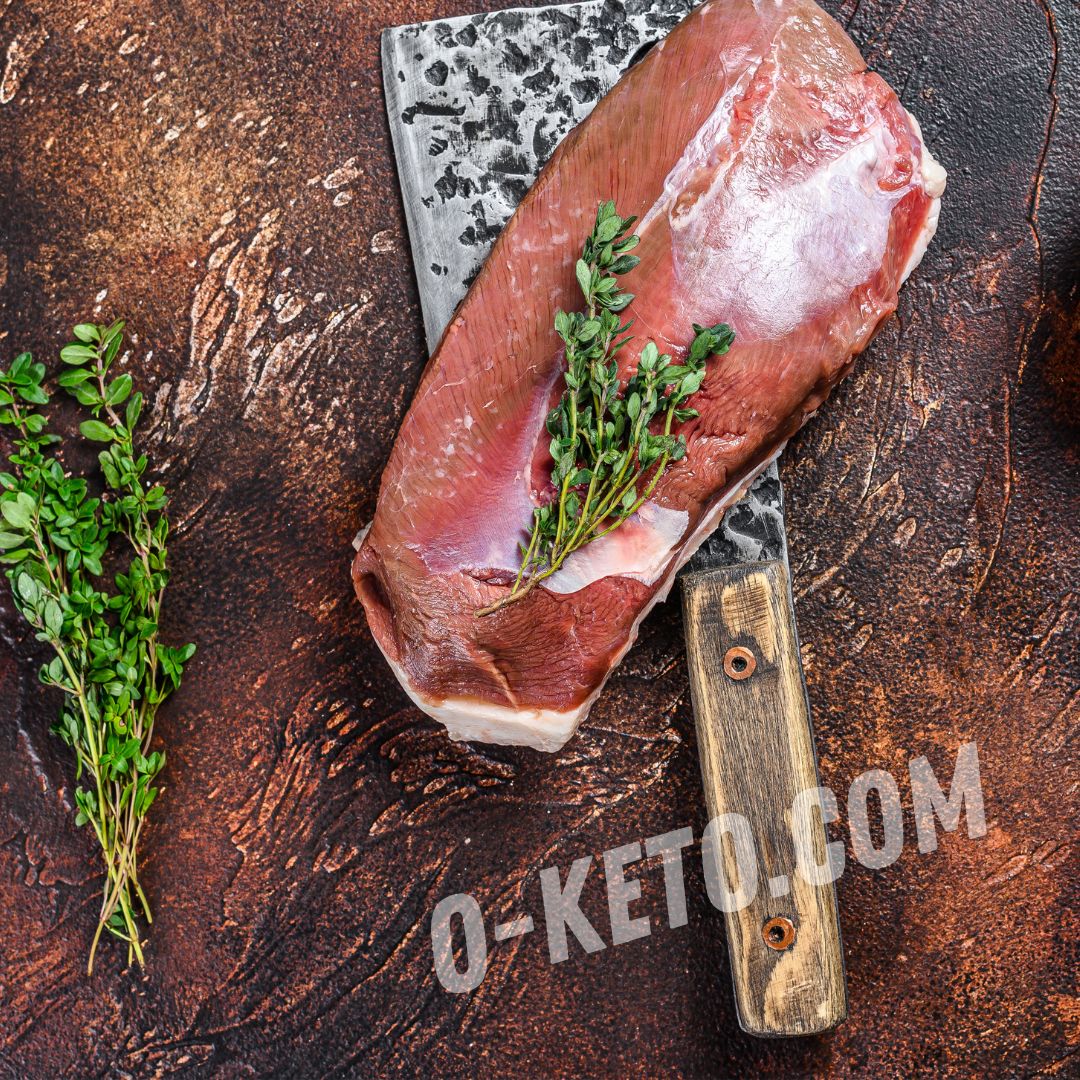

Duck fillet is duck breast, usually with skin and a layer of subcutaneous fat. Unlike chicken breast, it is darker, more aromatic, and noticeably fattier, so its taste is closer to red meat. It is pan-seared, baked, cooked sous-vide, smoked, sliced thinly for salads, or served with berry and cream sauces without sugar.
The main feature of duck fillet is the skin. If it is scored correctly and the fat is rendered slowly, the result is crisp skin and juicy meat. If cooking is rushed over very high heat, the skin may burn while the fat stays thick and soft. If the meat is overcooked, it becomes dry and tough.
Duck flavor really depends on breed, feed, bird age, and whether the breast was chilled or frozen. Corn-fed duck may have a sweeter aroma, but the finished dish is still shaped by technique: salt, temperature, resting after cooking, and careful slicing matter more than loud claims on the package.
Nutritional value
In 100 g of duck fillet there are usually about 180–340 kcal; the range depends on skin and fat amount. Protein is roughly 18–25 g, and carbohydrates are almost absent. If skin and part of the fat are removed, energy density is closer to lean meat. If the skin is kept and fat is not fully rendered, the dish becomes much fattier.
Duck meat contains protein, iron, zinc, selenium, phosphorus, vitamins B6 and B12. The fat profile includes saturated and monounsaturated fats, plus a smaller share of polyunsaturated fats. In practice, the specific portion matters more than an abstract fat profile: breast with skin and breast without skin are different dishes.
Is it suitable for keto?
For keto and LCHF, duck fillet fits well: carbohydrates are almost absent, protein is high, and there is enough fat, especially when cooked with skin. It helps build a filling meal without grains, flour, or sweet sauces. Rendered duck fat from the pan can be used for cabbage, mushrooms, or cauliflower.
Problems more often come from classic servings: orange sauce with sugar, honey glaze, starch-thickened gravy, potatoes, rice, or sweet fruit puree. For a low-carb version, use tart berries in a small portion, a sauce based on butter, stock, dry wine, or spices.
How to cook it
The skin is scored in a diamond pattern without cutting into the meat, salted, and placed skin-side down in a cold or moderately warm pan. The fat is rendered gradually, then the meat is briefly finished on the other side and rested for 5–10 minutes. After resting, juices distribute more evenly and slicing is cleaner.
For a more precise result, a thermometer is useful. Doneness is chosen according to preference and safety requirements, but duck should not be dried out. Good pairings include thyme, rosemary, garlic, black pepper, cabbage, mushrooms, celery, cauliflower, unsweetened cranberry or raspberry, cream sauce, and green salad.
How to choose
The fillet should be firm, clean-smelling, and free of sticky surface, gray spots, and dried edges. The skin should be pale or creamy, without greenish areas. Too much liquid in the package may point to long storage or thawing. With frozen fillet, intact packaging and no thick ice layer are important.
Breast size also matters. A larger fillet is easier to cook with a juicy center, while a small one dries out faster. If buying smoked or marinated duck fillet, check sugar, syrups, starch, and dextrose in the ingredient list.
Limitations
Duck fillet with skin is energy-dense. If the goal is weight loss, the fat portion is better counted rather than automatically leaving all rendered fat in the dish. With poor tolerance of fatty food or individual saturated-fat limits, the fillet can be cooked without skin or served in a smaller portion.
How to store it
Chilled fillet is kept in the refrigerator and cooked as soon as possible, following the producer’s date. Raw product should not touch ready-to-eat food. Frozen breast is thawed in the refrigerator, not in warm water. Cooked duck is stored covered, and slicing is better done before serving so the meat dries out less.
What can replace it?
By role in a dish, goose breast, chicken thigh with skin, turkey with added butter, quail, fatty beef, or pork tenderloin with sauce can work. If a rich poultry taste is needed, goose and chicken thigh are closest. If a leaner version is needed, turkey or chicken breast can be used, but fat should be added separately.


