


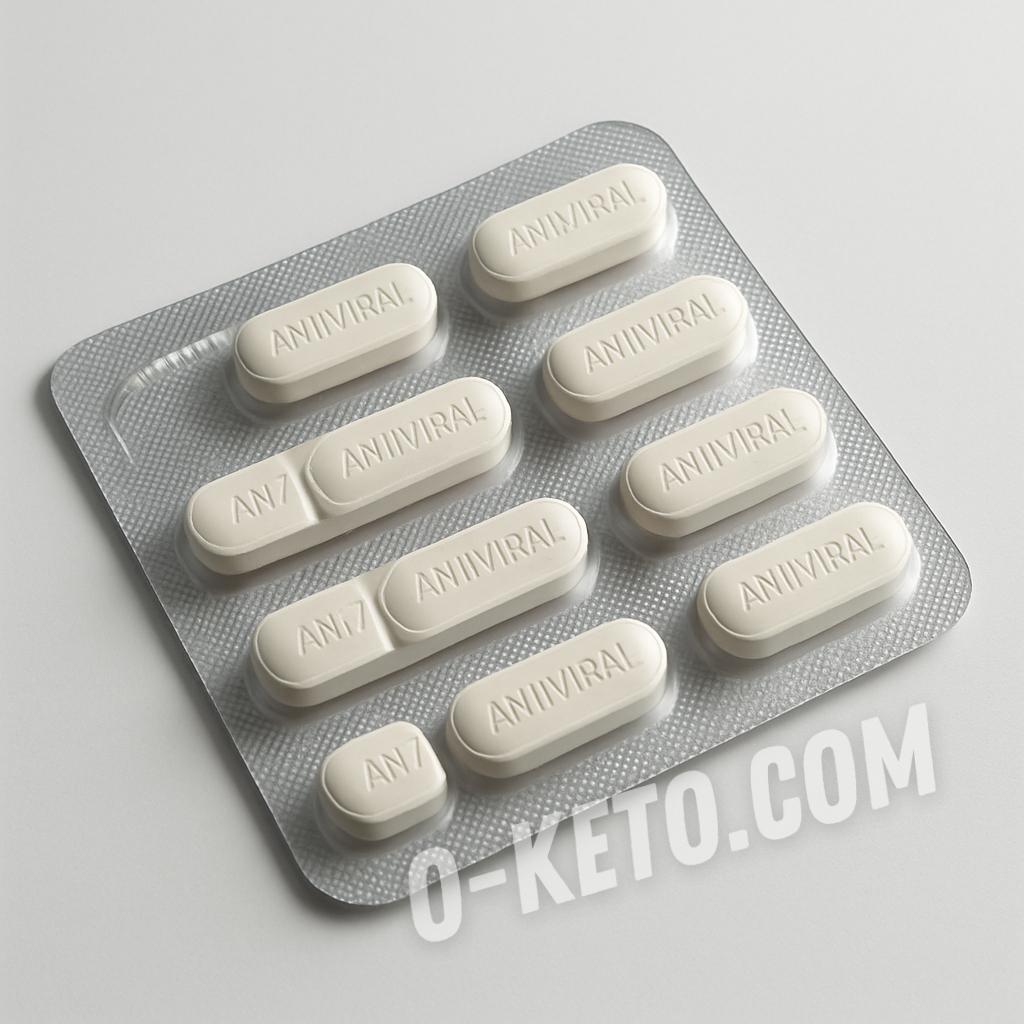

Valacyclovir is an antiviral medication that is converted into acyclovir after absorption. It is used for herpes, shingles, and other viral scenarios where a systemic course with a clear dosage and a more convenient dosing schedule than regular acyclovir is needed.
What It Is
Valacyclovir is essentially a prodrug created to improve oral absorption of the active antiviral compound. Because of that design, it often allows a more convenient dosing schedule than plain acyclovir, and in some situations clinicians choose it when they want a more predictable oral regimen. It is also known under trade names such as Valtrex and Valvir, but for reference purposes the core concept is the international active ingredient itself.
When It Is Used
Valacyclovir is most often prescribed for recurrent oral or genital herpes, and sometimes for shingles and other viral scenarios when a physician decides that a systemic antiviral course is appropriate. It is not something to start casually just because a rash or tingling resembles herpes. Before using it, the key issues are which virus is actually suspected, how often relapses occur, and whether there are kidney problems, dehydration risk, or other factors that can change tolerance and safety.
How It Differs From Acyclovir
The main practical difference is convenience of oral use. After absorption, valacyclovir is converted into acyclovir, but it starts from a form designed for better absorption through the digestive tract. That often makes the schedule easier. This does not make it a “light” or everyday remedy. It remains a medication with formal indications, limitations, and possible adverse effects.
How To Choose
For this kind of product, the important things are the exact active ingredient, the exact strength in milligrams, and the reliability of the manufacturer or pharmacy brand. Marketing wording matters far less than a clear instruction leaflet, valid expiration date, intact packaging, and proper storage conditions. When comparing analogues, the critical point is not just the brand name but the number of milligrams in each tablet, because that directly determines whether a treatment protocol still matches the intended dose.
Limitations And Precautions
Valacyclovir may cause nausea, headache, fatigue, digestive discomfort, and under less favorable conditions can create more serious problems in people with reduced kidney function or marked dehydration. Extra caution is especially important in older adults, kidney disease, pregnancy, breastfeeding, and in people taking other potentially nephrotoxic drugs. If treatment is followed by pronounced weakness, confusion, an unusual rash, or clear clinical worsening, the decision about continuation should be individualized rather than improvised.
Storage
Tablets should be stored in a dry place at room temperature, away from overheating, excess humidity, direct light, and children’s access. It is better not to move them into random unlabelled containers, because losing the dose and expiry information can easily create medication mistakes. With antiviral drugs, even small confusion in milligrams changes the meaning of the regimen.


