


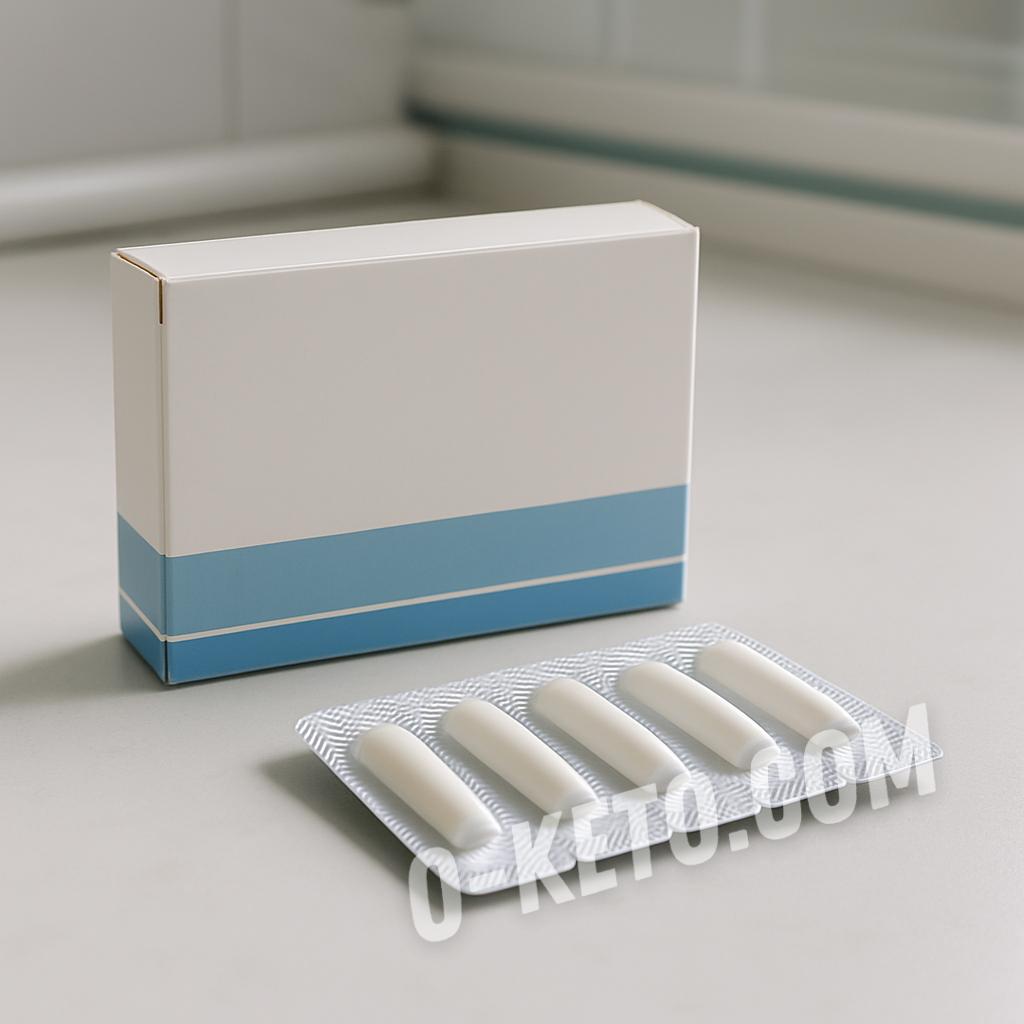

Viferon is a medicine based on interferon alfa-2b that is commonly used in Russian-speaking practice as rectal suppositories in supportive protocols for viral illnesses. It is not a nutrient and not a food product. It is a drug with a defined dosage form and age-dependent dosing logic. In discussions around viral gastrointestinal infections it may appear as an adjunctive tool when the goal is to support immune response, but the core management of acute intestinal infection still depends first on rehydration and control of fluid loss.
What kind of product it is
Viferon belongs to interferon-based medicines and is usually sold as rectal suppositories in different strengths. In practical terms this means that the name alone is not enough. The exact amount of active substance in international units matters, because different strengths may serve very different age groups and clinical contexts. For a structured therapy database, that distinction is crucial: a row linked to this product should refer to an exact strength rather than to a vague “one suppository” idea without context.
When it is usually considered
Viferon is most often mentioned in viral illness support, particularly in pediatric discussions. In gastrointestinal viral infections it may be considered as an additional step once the immediate dehydration risk is being handled and the child is able to tolerate the general care plan. That does not change the hierarchy of priorities. If the main picture is repeated vomiting, severe watery diarrhea, rare urination, lethargy, or worsening fever, medical assessment and fluid management come before supportive interferon-based tools.
Why the exact strength matters
The biggest practical mistake is to treat “one suppository” as a universal dosing unit. Different suppositories may contain very different amounts of interferon, and the same brand name can cover multiple strengths. For that reason, a meaningful protocol should always name not only the frequency of use but also the specific strength in units. Without that clarification, the instruction becomes too vague to be safely interpreted across age groups.
What to keep in mind
Like other medicines, Viferon should not be viewed as a universal answer to every fever or every infection. In some situations it is not used at all, while in others it is discussed as an optional supportive step with a clear age-based logic. It is also important to remember that during rotavirus and other intestinal infections people can lose fluids faster than any secondary medicine can make a meaningful difference. If water and electrolytes are not being restored, supportive add-ons become much less relevant.
Practical limitations
When people self-interpret regimens, the biggest risk is copying an age-specific protocol without verifying that the suppository strength matches the intended one. A scheme for an infant and a scheme for an older child may refer to entirely different amounts of active substance. If the patient is getting worse, remains drowsy, barely drinks, or the fever stays high, it is not wise to keep escalating home treatment without medical review.
Storage
Interferon suppositories should be stored according to the manufacturer’s instructions. Temperature control and shelf life matter for this dosage form. If storage conditions were not respected, the product should not be assumed to remain fully reliable.


