


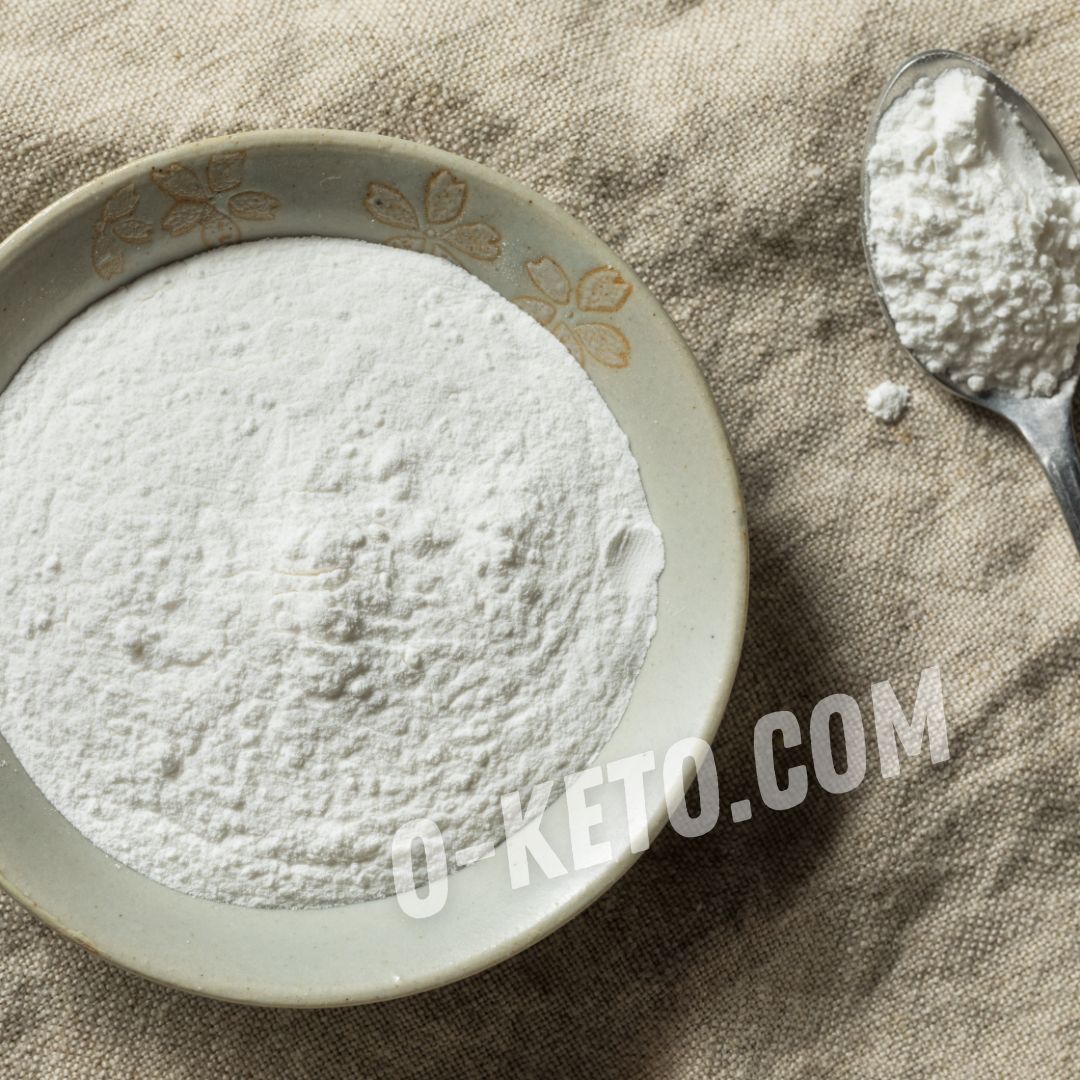

Cream of tartar is an acidic powder based on potassium bitartrate. In winemaking, such crystals form from tartaric acid and potassium, while in cooking the purified powder is used as an acid component. It is not a spice for flavor in the usual sense but a technical ingredient: it helps stabilize foam, work with syrups, and activate baking soda.
In the kitchen, cream of tartar is most often found in egg-white meringues, souffles, some creams, syrups, homemade baking powder, and recipes that need gentle acidity without the smell of vinegar. It looks neutral, tastes sour, and is used in very small amounts. That is why it matters to understand not only what the powder is, but why a particular recipe needs it.
Nutrition
Cream of tartar is not a source of protein, fat, or ordinary food carbohydrates. In culinary amounts, its calorie contribution is practically zero. At the same time, it is a potassium salt of tartaric acid, so it should not be treated as a powder that can be added without limits. Recipes usually use from a pinch to half a teaspoon.
The mineral contribution depends on the amount, but kitchen doses are too small to make cream of tartar a meaningful mineral source. Its practical value is not nutrition but reaction with other ingredients: acidity changes egg-white structure, helps baking soda release gas, and affects syrup crystallization.
Fit for keto and LCHF
Plain cream of tartar is compatible with keto and LCHF because normal amounts do not add meaningful carbohydrates. The issue is usually not the powder itself but the recipes where it appears: sugary meringue, syrups, sweet glaze, classic baked desserts, and pastry mixes. In those dishes, carbohydrates come from the base recipe, not from cream of tartar.
In low-carb cooking, it can be useful for erythritol meringue, keto sponge cakes, homemade baking powder blends, flourless cheese pancakes, and sauces where precise acidity is needed. If buying ready baking powder, check the ingredient list: it may include rice flour, cornstarch, or other fillers. A plain product should list only cream of tartar, potassium bitartrate, or potassium hydrogen tartrate.
How to use it
For whipped egg whites, cream of tartar is added at the start of whipping or when the foam has become bubbly. The acidic environment helps make the foam more stable, but it does not replace proper technique: the bowl must be clean, without fat, and the whites must contain no yolk. Too much powder gives obvious sourness and can spoil the taste.
As part of homemade baking powder, cream of tartar is mixed with baking soda. The acid reacts with soda and helps dough rise. Such a blend is best used right away or stored very dry because moisture starts the reaction early. If a recipe already contains lemon juice, kefir, yogurt, or vinegar, the acid amount needs to be considered.
In syrups, cream of tartar helps reduce the risk of large crystals, but for keto this is only partly relevant: erythritol and allulose behave differently from sugar. In small amounts it may smooth texture, but it will not solve every sweetener problem. It is better to follow a specific recipe than to add the powder just in case.
How to choose
Good cream of tartar looks like a white or nearly white fine powder without clumps or foreign smell. The ingredient list should not include sugar, flavorings, flour, or starch if a plain ingredient is needed. Package names may vary: cream of tartar, potassium bitartrate, potassium hydrogen tartrate, or potassium acid tartrate.
Do not confuse cream of tartar with tartaric acid or ready baking powder. Tartaric acid is sharper, while baking powder already contains soda and often a filler. These products are not always interchangeable in recipes, especially when reaction and flavor need to be precise.
Limits
Because of its potassium content, large amounts of cream of tartar are not suitable for experiments outside recipes. People who have been told to limit potassium, and those taking medicines that affect potassium levels, should be especially careful. A culinary pinch and spoonfuls of powder are completely different situations.
An acidic powder may irritate mucous membranes if tasted dry or added heavily. For children and sensitive people, it is better to use the minimum amount and only as part of a finished dish. If discomfort appears after using it, it can simply be left out because it is a helper ingredient, not an essential part of the diet.
Storage and substitutes
Cream of tartar should be stored tightly closed in a dry cabinet, away from steam. Moisture clumps the powder and can reduce its usefulness in baking powder blends. If hard damp clumps or an off smell appear, a new package is more reliable.
The substitute depends on the task. To stabilize egg whites, a few drops of lemon juice or mild vinegar can work, but they add their own flavor and liquid. For leavening, use ready baking powder or baking soda together with an acidic ingredient already in the recipe. For syrups, lemon juice is sometimes used, but the result with low-carb sweeteners needs separate testing.


