




Worcestershire sauce is a dark fermented condiment with sour, salty, slightly sweet, and strong umami notes. The classic profile is built from vinegar, anchovies, tamarind, molasses or sugar, onion, garlic, spices, and aging. It is not used as a food on its own but as a flavor concentrate: a few drops can change a marinade, dressing, meat sauce, or soup.
For keto and LCHF, Worcestershire sauce matters because the portion is small. It usually contains sugar or molasses, so it is not a zero-carb ingredient, but a teaspoon in a large pan of meat or sauce often gives a small carbohydrate load. The problem starts when it is poured by the tablespoon or used through sweet ready-made marinades.
Ingredients and taste
A good version should not taste only like vinegar. Vinegar brings acidity, anchovies add a salty meat-like note, tamarind gives fruity tartness, onion and garlic form the background, spices add warmth, and aging rounds the sharp edges. That is why Worcestershire sauce works especially well when a dish needs depth without an obvious fish flavor.
Vegetarian versions are made without anchovies, but the taste is different: often sweeter, more vinegary, or more based on yeast extract. People with fish allergy need to check this separately. For strict low-carb eating, also check for syrups, starch, caramel syrup, or a high share of sugar.
Nutritional value
Nutrition depends on the brand. One tablespoon often contains about 10-15 kcal and around 2-3 g of carbohydrates, almost no fat, and very little protein. A teaspoon usually contains less carbohydrate, but the label is still worth checking because recipes vary.
The main contribution of the sauce is not protein, fat, or vitamins, but salt, acidity, and concentrated flavor. If the dish needs more satiety, that comes from meat, fish, eggs, cheese, cream, or butter, while Worcestershire sauce remains a seasoning. In that role it can make plain meat, mince, or broth taste deeper without many extra ingredients.
Place in keto and LCHF
Worcestershire sauce can fit keto when used in measured amounts and counted by ingredients. For a marinade for 500-700 g of meat, 1-2 teaspoons are often enough together with oil, salt, pepper, garlic, and sugar-free mustard. In that format the carbohydrates are spread across several servings.
A poor keto choice is a sweet barbecue sauce, thick glaze, cocktail mix, or store-bought marinade where Worcestershire sauce appears next to syrup, honey, starch, or sugar. The name on the bottle does not guarantee a suitable composition.
How to use
Worcestershire sauce works well with beef, lamb, organ meats, ground meat, sugar-free tomato sauces, mushrooms, eggs, broths, and creamy gravies. It can be added to steak marinade, burger patties without a bun, dressing for a meat salad, or hot broth when a deeper taste is needed.
Add it gradually: it is salty and acidic, so too much quickly dominates the dish. In hot sauces, it is convenient to add it near the end and taste after warming. In cold dressings, let the mixture stand for 10-15 minutes so the vinegar, spices, and fat come together more smoothly.
How to choose and store
Look for a short, understandable ingredient list: vinegar, anchovies, tamarind, spices, onion, garlic, salt, and a moderate amount of sugar or molasses. If the carbohydrate count is high even in a small serving, choose another bottle for keto or reduce the dose. The color should be dark, and the smell should be spicy and sour, without mold or strange bitterness.
Store an unopened bottle according to the producer’s instructions. After opening, it is usually kept in the refrigerator or in a cool dark place if the label allows it. Shake before use. If the smell becomes unpleasant or you notice mold, fizzing, or an unusual cloudy film, discard it.
Substitutes
There is no full close substitute because Worcestershire sauce is acidic, salty, spicy, and umami at once. In a marinade, you can combine soy sauce or tamari, a little vinegar, garlic, a pinch of spices, and a drop of fish sauce. In meat sauce, tamari, anchovy paste, mushroom concentrate, or strong broth may work. If only acidity is needed, vinegar or lemon juice is enough, but the flavor will be simpler.
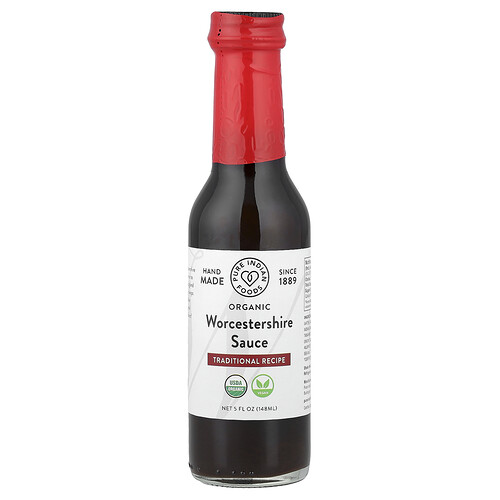
Substitution options in recipes
Soy sauce (sugar-free). 1 tsp soy sauce + ½ tsp apple cider vinegar + a pinch of Espelette pepper + a drop of fish sauce creates the right balance of saltiness, acidity, and a slight fermented "fish" note. The pepper adds a characteristic warmth. The sauce will be less sweet, so for marinades, you can add ¼ tsp allulose.


