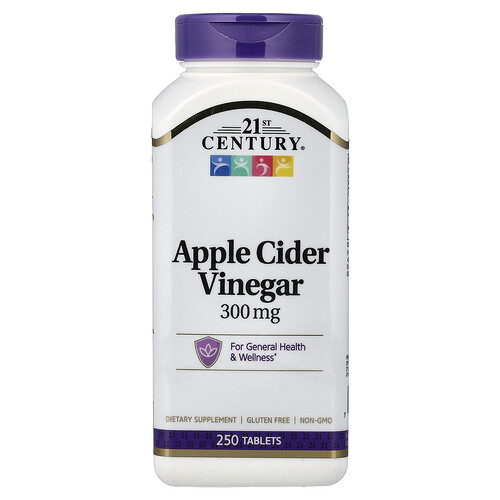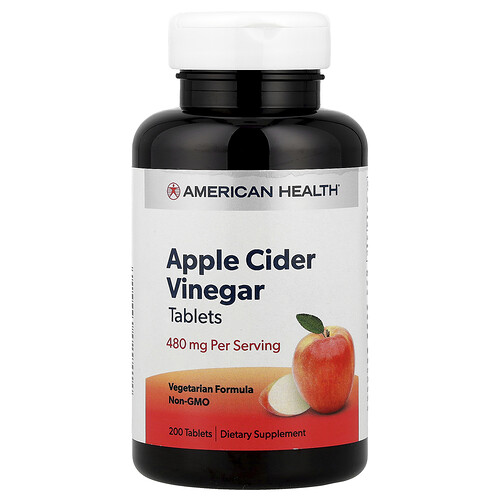

Apple cider vinegar is an acidic product made by fermenting apple juice or cider. First, apple sugars turn into alcohol; then bacteria form acetic acid, which gives vinegar its sharp taste. Good vinegar also keeps apple aroma compounds, small amounts of minerals, and traces of the starting material, but the main working component in cooking is acidity.
Apple cider vinegar is used in dressings, marinades, sauces, brines, meat stews, water-based drinks, and home preserving. For keto, it is interesting not as a magic supplement, but as an almost carbohydrate-free way to add acidity and balance to fatty dishes, salads, and meat.
How apple cider vinegar affects glucose metabolism
The main studied component of apple cider vinegar is acetic acid. In small clinical studies, vinegar taken with a meal has been associated with a modest reduction in post-meal glucose and insulin responses. The practical meaning is to use vinegar as an acidic food ingredient rather than to seek a therapeutic dose.
Results depend on the meal, the amount of vinegar, and individual factors. Concentrated vinegar should be diluted because acid can irritate mucous membranes and damage tooth enamel. Extra caution is appropriate with reflux, gastritis, kidney disease, potassium disorders, or medicines.
Nutritional value
One tablespoon, about 15 ml, of apple cider vinegar usually contains very few calories and almost no carbohydrates. The glycemic index is close to zero because the product is not a sugar source in a normal portion. If vinegar is sweetened, mixed with honey, or part of a ready-made dressing, the numbers must be checked separately.
Unfiltered vinegar with “mother” contains cloudy sediment from bacterial culture and fermentation residues. It looks less clear, but that is not a defect. Still, this does not make it a meaningful vitamin source: the serving is small, and acidity matters more than micronutrients.
Is it suitable for keto?
For keto and LCHF, plain apple cider vinegar is suitable: it has almost no carbohydrates per serving, a bright taste, and acidity that makes sauces and salads feel less heavy. It mixes well with olive oil, sugar-free mustard, salt, pepper, herbs, garlic, and a little water.
The problem is more often in ready-made products: apple vinegar drinks, cleansing-style mixes, sweet marinades, and store-bought dressings may contain sugar, juice, syrups, or starch. For a strict low-carbohydrate menu, choose plain vinegar without sweet additions.
How to use it
In salad dressing, a common ratio is 1 part vinegar to 3 parts oil, then salt, pepper, and spices. For marinades, vinegar is mixed with oil, garlic, herbs, and water. Too much acidity can make the surface of meat tough, so do not soak food in straight vinegar for a long time.
In drinks, vinegar must be diluted. A common household amount is 1–2 teaspoons per glass of water; 1–2 tablespoons per day is best not exceeded without a clear reason. Straight vinegar should not be drunk because it is too acidic for mucous membranes and tooth enamel.
How to choose
A good product should list apple cider vinegar, sometimes water. Acidity is often around 5%. Unfiltered and unpasteurized vinegar with “mother” works for dressings and drinks if you like the taste. Clear pasteurized vinegar is convenient for stable sauces and preserving.
Avoid products containing sugar, honey, caramel syrup, fruit concentrate, or flavorings if the goal is carbohydrate control. Vinegar should not smell like mold, solvent, or rotten apples.
Limitations
Apple cider vinegar may irritate the stomach with reflux, gastritis, ulcer-type conditions, sensitive mucosa, or nausea from acidic foods. It may also affect tooth enamel with frequent contact, so drinks should be diluted, preferably taken through a straw, and the mouth rinsed with water afterward.
Caution is needed when taking medicines that affect potassium, blood sugar, or fluid balance. If vinegar causes burning, pain, cough, nausea, or discomfort, it should not be continued by force.
How to store it
Vinegar stores well because of its acidity. Keep the bottle tightly closed, away from light and heat. A small sediment in an unfiltered product is acceptable; the bottle can be shaken before use unless the producer says otherwise.
Do not transfer vinegar to a metal container for long storage. If the smell changes sharply, mold appears on the surface, or the bottle becomes contaminated, replace the product.
What can replace it?
In dressings, apple cider vinegar can be replaced with wine vinegar, white vinegar, lemon juice, or lime juice. In marinades, use sugar-free rice vinegar, wine vinegar, or lemon juice mixed with water. For a mild fruity acidity, use a little unsweetened apple cider vinegar with water, not sweet apple juice.
Sources
- USDA FoodData Central: raw fruits and berries
- Dietary Guidelines for Americans: fruit and fruit juice
- Systematic review of fruit intake and cardiometabolic outcomes