
An egg is one of the most convenient foods for a keto diet: it contains almost no carbohydrates, but provides complete protein, fat, choline and fat-soluble vitamins. Eggs cook quickly, pair well with herbs, fish, meat, cheese and non-starchy vegetables, and are used not only as a dish on their own but also as a technical ingredient.
In cooking, it is important to distinguish the whole egg, the white and the yolk. The white provides almost pure protein and helps create structure. The yolk contains fat, choline, lutein, zeaxanthin, vitamins A, D, E, B12 and some minerals. A whole egg combines both roles: it is nourishing, binds ingredients and adds flavor.
Nutrition
One large chicken egg usually contains about 70 kcal, around 6 g of protein and about 5 g of fat. Carbohydrates are present only in trace amounts, so the glycemic index is effectively zero. Egg size changes the numbers: small, medium and large eggs provide different amounts of protein and fat.
Egg white contains all essential amino acids. The yolk provides fat and micronutrients, so it should not automatically be treated as the “extra” part. In keto cooking, yolk is especially useful for sauces, mayonnaise, sugar-free creams and dishes that need a soft fatty texture.
If only whites are used, the dish becomes higher in protein and lower in fat. If only yolks are used, fat content and density increase while protein decreases. The choice depends on the recipe: omelets, sugar-free meringues, sauces, patties and baking need different parts of the egg.
Is an Egg Keto-Friendly?
Eggs fit keto and LCHF very well. They make it easy to build a quick meal without bread, porridge or sweet additions: omelet with herbs, eggs with fish, avocado salad, poached eggs with vegetables or homemade mayonnaise with yolks. In a normal serving, carbohydrates are almost absent.
Eggs are useful because they work both as a main food and as a binding component. In keto baking, an egg helps dough hold together; in patties, it binds meat; in sauces, it creates an emulsion; in salads, it adds density. If a dish is too dry, the answer is often not more flour, but yolk, butter or cheese.
There is no need to limit eggs “just in case” without a personal reason, but the portion should still fit the overall diet. If a dish already contains a lot of cheese, cream, butter and mayonnaise, additional eggs will increase density and calories.
How to Cook
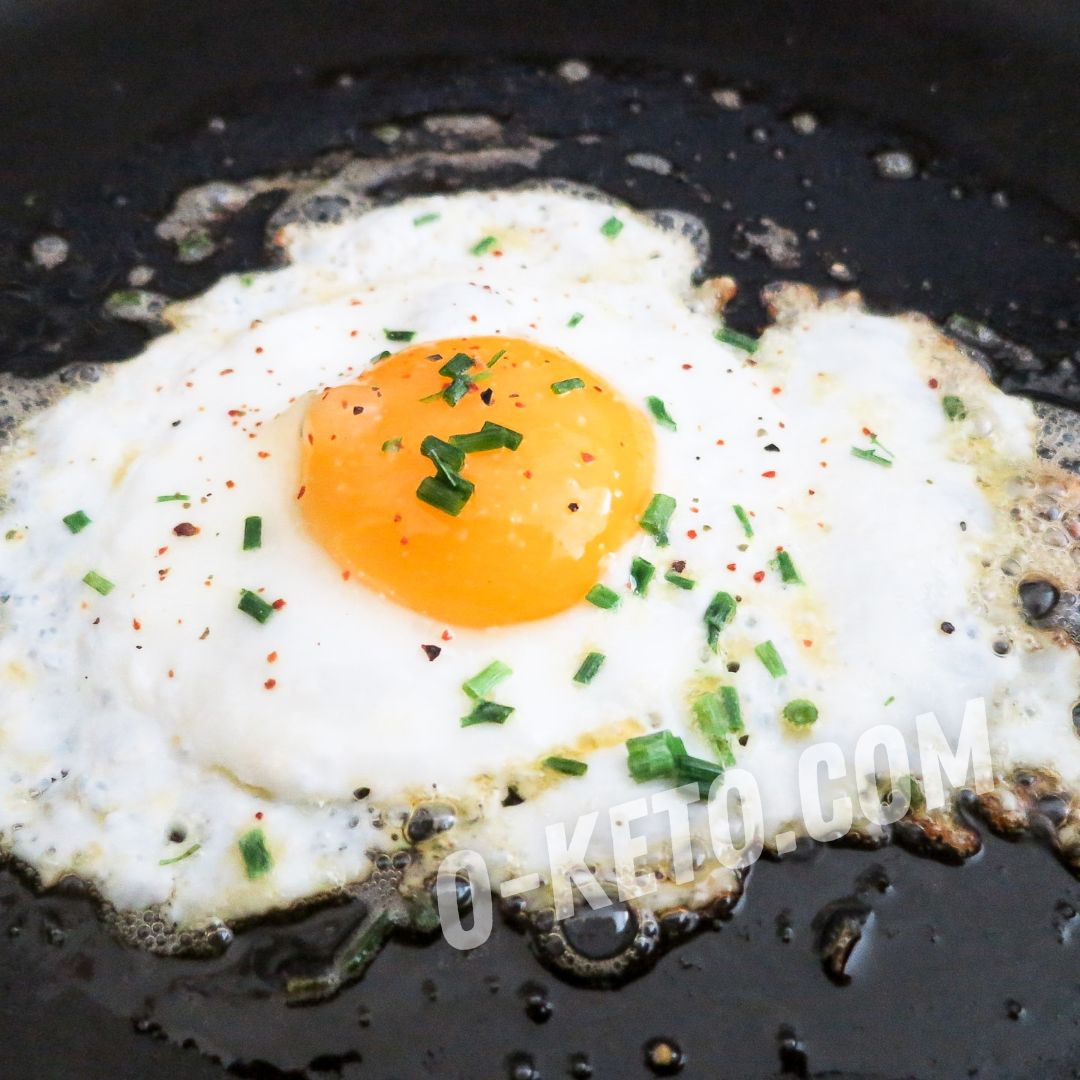
The best method depends on the dish and tolerance. Boiled eggs are easy to take along, omelets give a soft texture, poached eggs pair well with vegetables and sauces, and fried eggs can be made from very few ingredients. Hard-boiled eggs are best for salads, yolks for sauces, and whipped whites for airy textures.
Practical keto options include:
- omelet with butter, herbs, cheese or mushrooms;
- boiled eggs with fish, avocado, cucumber or leafy salad;
- egg salad with sugar-free mayonnaise;
- yolks in sauces, dressings and sugar-free desserts;
- egg as a binder in patties, flour-free cheese pancakes or vegetable fritters.
How to Choose and Store
Choose eggs with clean intact shells and a valid date. Shell color itself does not indicate nutrition: white and brown eggs differ by hen breed, not automatically by quality. For poached and soft-boiled eggs, fresher eggs are especially convenient because the white holds its shape better.
Store eggs in the refrigerator, away from strong-smelling foods. Do not wash eggs in advance unless the package or local storage rules require it: a wet shell stores worse. Broken eggs and egg dishes should not remain at room temperature for long.
Safety and Limits
The main limitation is allergy or individual intolerance. With sensitive digestion, fully cooked eggs may be easier than raw or half-cooked ones. Raw eggs require caution because of food safety risks, especially in sauces, creams and desserts without heat treatment. USDA advises cooking eggs and egg dishes until both the white and yolk are firm; casseroles and other dishes containing egg mixture should reach at least 160°F (71°C) inside.
If homemade mayonnaise, sugar-free tiramisu or a cream with raw yolks is needed, pasteurized eggs or a trusted product are safer. For children, pregnant people, older adults and people with weakened defenses, raw egg dishes are especially undesirable.
Substitutes
If eggs are needed as a protein source, fish, meat, poultry, cottage cheese, cheese or seafood can work. If an egg is needed as a binder in a recipe, the substitute must be chosen separately: psyllium, flax meal with water, gelatin, extra cheese or cream cheese may help, but the texture will differ.
For sauces, sugar-free mustard, xanthan gum, cream cheese or ready-made sugar-free mayonnaise can sometimes replace yolk. In baking, replacing eggs is the hardest because they bind, add moisture and help structure hold at the same time.
Sources
- How do you handle and store eggs safely? — USDA Food Safety and Inspection Service;
- What You Need to Know About Egg Safety — U.S. Food and Drug Administration