


Amylose
A linear fraction of starch that affects granule density, digestive speed, and the amount of resistant starch. In low-carb nutrition, amylose matters as a way to understand why different starch sources can affect glucose, satiety, and tolerance differently.
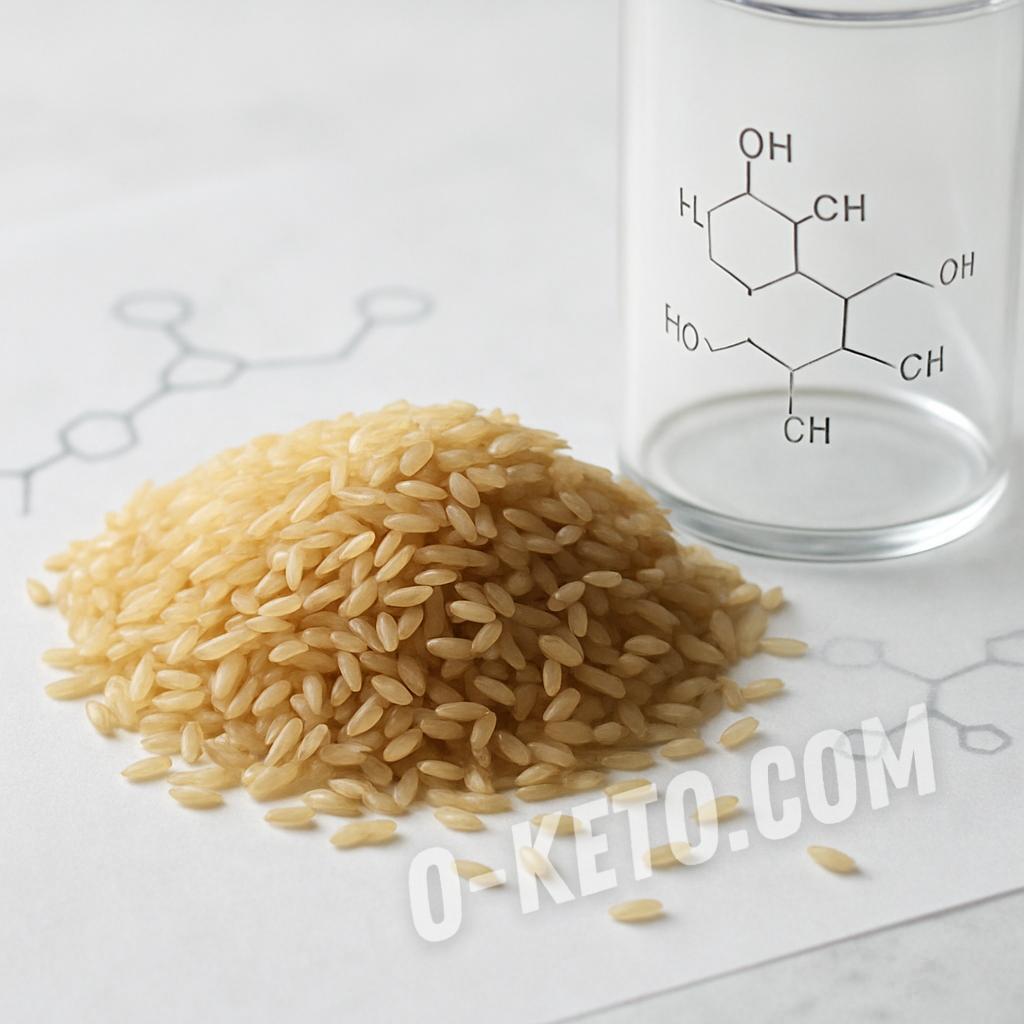
Amylose is one of the two main fractions of starch, alongside amylopectin. It is a long chain of glucose molecules that is usually packed more tightly and digested more slowly than highly branched amylopectin. This matters in nutrition because the word “starch” does not describe one identical carbohydrate. Starch in potatoes, rice, legumes, green bananas, corn, or flour can behave differently: some is rapidly converted into glucose, some is digested more slowly, and some may become resistant starch and reach the large intestine in a fiber-like form.
How amylose is structured
Plants store glucose in starch granules. Inside those granules, amylose forms more linear chains, while amylopectin has a branched structure. The higher the amylose proportion, the denser the starch can be and the less it behaves like immediately available sugar. High-amylose starches are often harder for digestive enzymes to access, especially when the food is not finely milled, overcooked into a soft paste, or eaten hot immediately after cooking. This does not make them automatically low carb. Amylose is still built from glucose, so when it is fully broken down it enters the same carbohydrate metabolism as other starches.
Why it matters for blood glucose
The glucose rise after a meal depends not only on the total grams of carbohydrate, but also on starch structure, processing, temperature, fiber, protein, fat, and individual insulin sensitivity. High-amylose starch is usually more difficult for enzymes because the chains are packed more tightly and some regions are less accessible. In practice, this may mean a smoother glucose curve than a starch dominated by amylopectin. However, if the food contains a large amount of starch overall, the carbohydrate load remains meaningful. For someone with diabetes, insulin resistance, or a strict ketogenic diet, a higher amylose content does not remove the need to count carbohydrates and check the real response with symptoms or a glucose meter.
Amylose and resistant starch
Part of amylose can become resistant starch, especially after certain starchy foods are cooked and cooled. This process is called retrogradation: starch chains move closer together again, become less accessible to small-intestinal enzymes, and partly reach the colon. There they can be fermented by gut microbes and converted into short-chain fatty acids. This is why cooled rice, potatoes, or legumes may be tolerated differently from freshly cooked hot portions. The effect is real but limited. It does not turn a large serving of starch into a free food for keto. Only part of the starch becomes resistant, not the whole product, and the final response depends heavily on portion size.
Where amylose is found
Amylose is present in most starchy plant foods, but the proportion varies. Higher amounts may be found in some varieties of corn, rice, legumes, bananas at certain stages of ripeness, and special high-amylose starches used as resistant starch ingredients. Lower amylose is more common in starches that create a very sticky, viscous, quickly gelatinized texture. That is one reason sticky rice and some processed starch blends may raise glucose faster than intact foods with a denser structure. The product name alone rarely tells the whole story. Variety, grinding, cooking, cooling, and reheating all change how starch behaves in the body.
Relevance for low-carb eating
In low-carb cooking, amylose is useful as an explanatory mechanism, not as permission to add starch without limits. If the diet is designed to maintain ketosis, most starchy foods remain restricted even when they contain more amylose or resistant starch. If the diet is a gentler LCHF or moderately low-carb approach, knowing about starch structure can help with smaller portions, cooled preparations, intact foods rather than flour, and combinations with protein, fat, and vegetables. A common mistake is to see words such as “resistant starch” or “high amylose” and assume that the food is safe for glucose control without testing the serving size.
How to read labels and supplements
High-amylose starch can appear in functional foods, bars, baking mixes, resistant starch supplements, and products marketed for gut health. In those cases, it is important to look beyond the marketing phrase and check total carbohydrates, fiber, sugar alcohols, and the serving size. Some people find that resistant starches and prebiotic fibers improve satiety and bowel regularity. Others develop gas, bloating, cramps, or discomfort, especially with small intestinal bacterial overgrowth, irritable bowel symptoms, or a sudden dose increase. Amylose is therefore not a treatment by itself. It is a structural part of starch that helps explain why one starch digests quickly, another more slowly, and another partly feeds the microbiota.
If you have any questions about the term "Amylose", you can ask them to AI. Please note, a low-cost OpenAI model is used. It may answer questions about disease treatment with errors!


 1 / 4
1 / 4

 1 / 4
1 / 4
 1 / 4
1 / 4


 1 / 4
1 / 4