


Acetyl-CoA
A central acetyl-group carrier links carbohydrate, fatty acid, and amino acid breakdown with the citric acid cycle, fatty acid synthesis, cholesterol synthesis, and ketone body production; it is not a simple energy supplement.




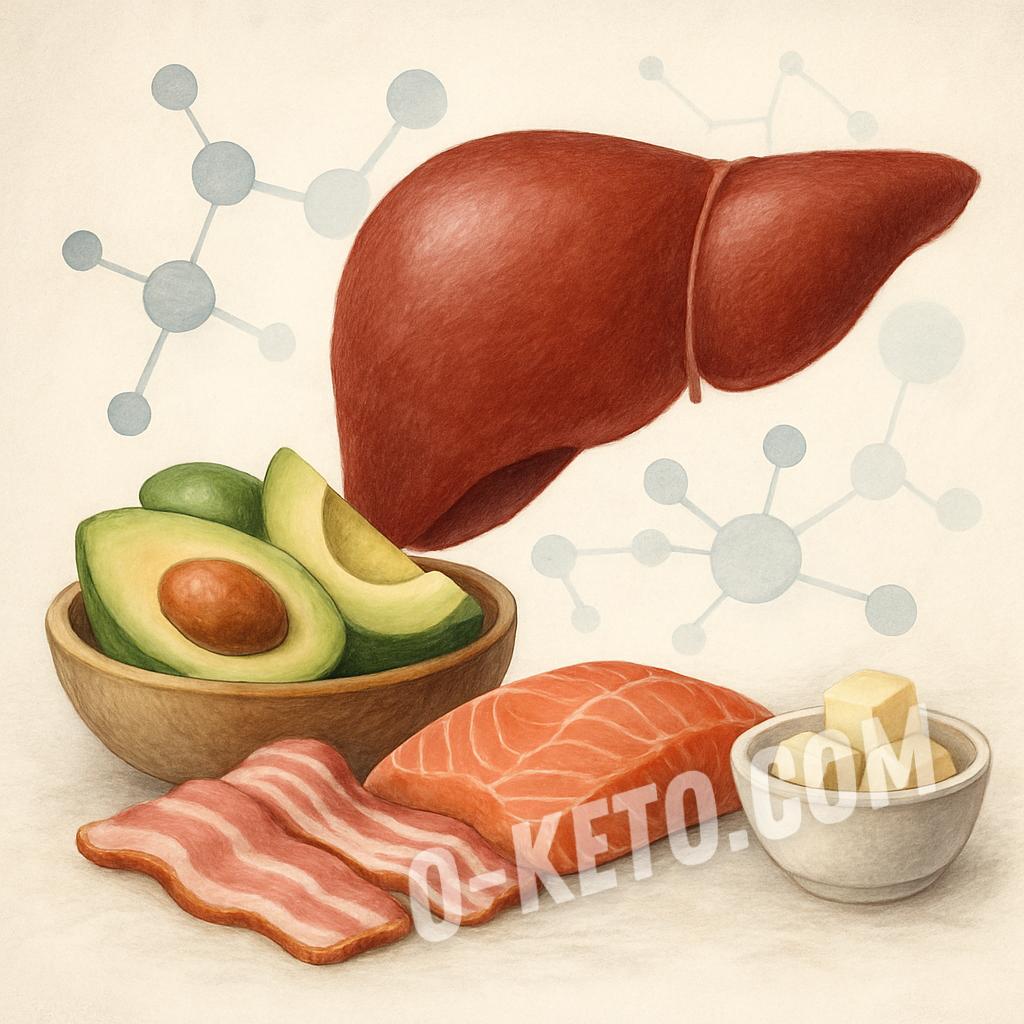
Acetyl-CoA is one of the central molecules of metabolism. It consists of coenzyme A carrying an acetyl group between metabolic pathways. Through acetyl-CoA, glucose breakdown, fatty acid beta-oxidation, parts of amino acid metabolism, the citric acid cycle, fatty acid synthesis, cholesterol synthesis, acetylcholine production, and ketone body production are connected. It is therefore not an energy supplement, but an intracellular hub that helps direct carbon and energy.
The basic idea is that acetyl-CoA carries a two-carbon unit. In mitochondria, it can enter the citric acid cycle and be oxidized to support ATP production. In the liver during low carbohydrate availability and active fat breakdown, excess acetyl-CoA may be directed into ketogenesis. In the cytosol during energy abundance, it can support fatty acid and cholesterol synthesis. The same metabolite can support both energy use and storage depending on hormones, substrates, and cellular state.
Where acetyl-CoA comes from
After glycolysis, glucose becomes pyruvate, and pyruvate can become acetyl-CoA in mitochondria through the pyruvate dehydrogenase complex. This reaction requires vitamins and cofactors including thiamine, riboflavin, niacin, pantothenic acid, and lipoic acid. Energy metabolism therefore depends not only on calories but also on micronutrient sufficiency. Thiamine deficiency, for example, can impair carbohydrate use at the pyruvate step.
Fatty acids produce acetyl-CoA through beta-oxidation. Each cycle removes a two-carbon fragment and forms acetyl-CoA. When oxaloacetate is available, acetyl-CoA can enter the citric acid cycle. When carbohydrate availability is low, glycogen is depleted, and the liver receives a large fatty acid flow, some acetyl-CoA is directed toward ketone body production. This is especially relevant during fasting, low-carbohydrate eating, and prolonged exercise.
Keto and ketogenesis
On keto, acetyl-CoA is often discussed because of ketones. When insulin is lower, lipolysis becomes more active, fatty acids reach the liver, and beta-oxidation produces a large amount of acetyl-CoA. The liver converts part of this flow into acetoacetate and beta-hydroxybutyrate, which other tissues can use as fuel. The liver itself is not the main consumer of ketone bodies because it lacks the key enzymatic step required to oxidize them.
More acetyl-CoA is not always better. Moderate ketogenesis with stable glucose may be a normal adaptation. Rising ketones in the context of insulin deficiency, dehydration, illness, vomiting, or very high glucose can be dangerous. Keto biochemistry must therefore be interpreted clinically. Nutritional ketosis in a healthy person and diabetic ketoacidosis share some pathways, but the risk is entirely different.
Compartmentalization is crucial for acetyl-CoA. The molecule does not simply float freely through the body. Mitochondria, cytosol, and nucleus have different ways of generating and using acetyl groups. For fatty acid synthesis, cytosolic acetyl-CoA is often produced through citrate export from mitochondria. This helps explain why the same energy surplus can be directed toward oxidation or synthesis depending on location and signals.
Alcohol also affects this system. Its metabolism changes the NADH/NAD+ ratio, burdens the liver, and can shift metabolism toward fatty liver, glucose disturbances, and ketone imbalance. In someone on keto, poor alcohol tolerance or sudden weakness after drinking is not just about low carbohydrates. Liver biochemistry and redox state have changed.
Why it is not a supplement
Acetyl-CoA works inside cells and in specific compartments. Mitochondrial acetyl-CoA, cytosolic acetyl-CoA, and acetyl groups used for protein regulation are not interchangeable in a practical supplement sense. A person cannot simply take acetyl-CoA by mouth and direct it into the citric acid cycle or ketogenesis at will. The body regulates its production and use through enzymes, hormones, substrate availability, energy status, and tissue needs.
The practical meaning is to support the conditions in which metabolism works normally: enough protein, B vitamins, magnesium, iron, oxygen delivery, sleep, and movement; limited alcohol excess; and better control of glucose and insulin resistance. If fatigue, weakness, fasting intolerance, hypoglycemia, or a strange reaction to keto appears, the cause is rarely one molecule called acetyl-CoA. Diet, liver function, thyroid status, mitochondrial context, medications, and real lab markers need to be considered.
If you have any questions about the term "Acetyl-CoA", you can ask them to AI. Please note, a low-cost OpenAI model is used. It may answer questions about disease treatment with errors!

 1 / 4
1 / 4
 1 / 4
1 / 4

 1 / 4
1 / 4
 1 / 4
1 / 4

