


Acetoacetate
One of the two main energy-relevant ketone bodies is made in the liver from acetyl-CoA, can become beta-hydroxybutyrate or acetone, and urine strips reflect only this part of ketone metabolism.



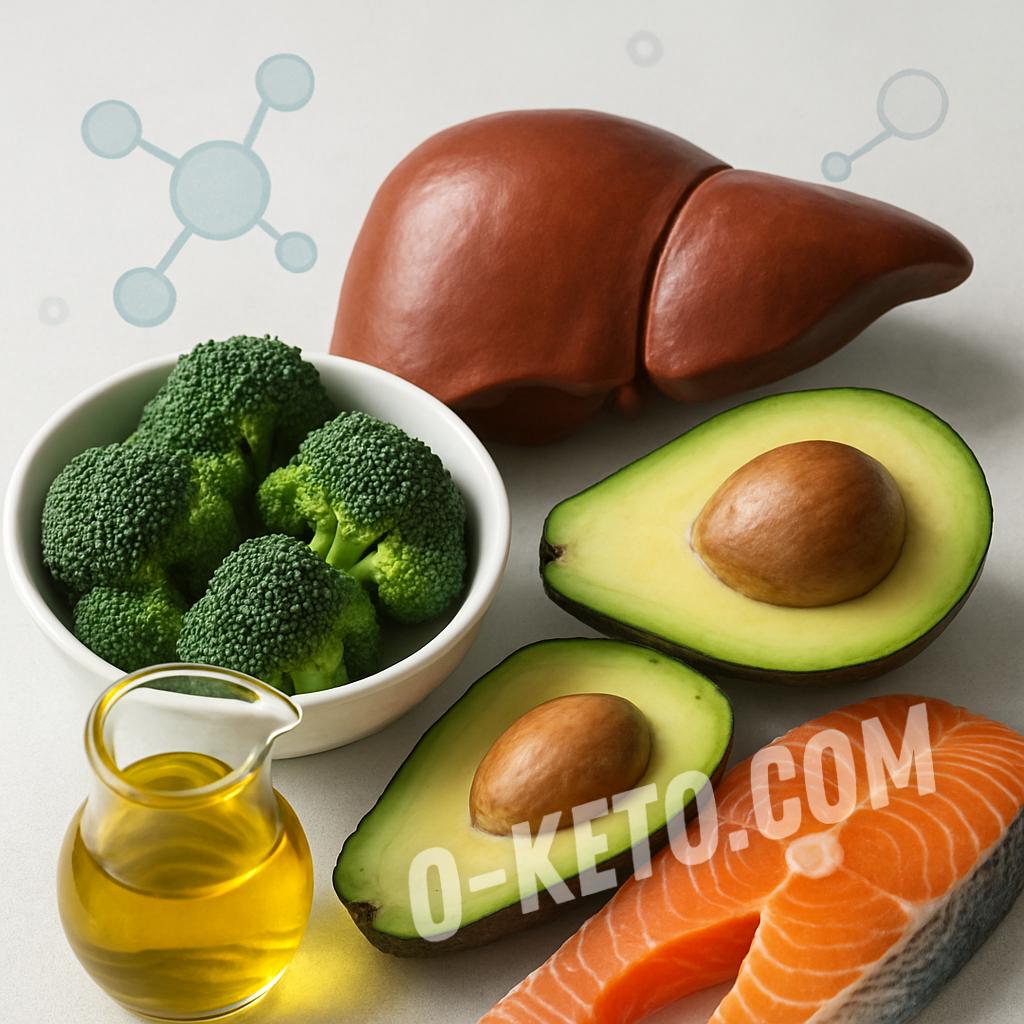
Acetoacetate is one of the main ketone bodies produced in the liver during active fatty acid breakdown. It is made from acetyl-CoA through ketogenesis and can be converted into beta-hydroxybutyrate or break down spontaneously to form acetone. Unlike acetone, acetoacetate can be used by tissues as an energy source. Outside the liver, it can be converted back into acetyl-CoA and enter the citric acid cycle.
Ketone bodies become more noticeable during fasting, low-carbohydrate eating, prolonged exercise, calorie restriction, and situations in which glucose availability is lower. This can be normal adaptation when ketone levels are moderate, the person is not dehydrated, glucose is controlled, and wellbeing is stable. Acetoacetate also participates in pathological ketosis in diabetic, alcoholic, or starvation ketoacidosis. Context matters more than the mere presence of ketones.
Relation to other ketones
In the liver, acetoacetate is one of the first energy-relevant ketone bodies formed. Some of it is converted into beta-hydroxybutyrate depending on the NADH/NAD+ ratio, which reflects the redox state of the cell. In more severe states, such as diabetic ketoacidosis, beta-hydroxybutyrate may predominate more strongly than acetoacetate. This is why some ketone tests can underestimate danger if they measure the wrong ketone.
Acetone, the third ketone product, appears when acetoacetate breaks down. It is volatile, leaves through the breath, and is connected with a fruity odor during marked ketosis. In nutritional ketosis, this smell may be temporary and harmless. In diabetes with high glucose, vomiting, weakness, and dehydration, it needs urgent evaluation. Acetoacetate sits between these pathways: it is fuel, a source of acetone, and a marker with limitations.
Urine and blood measurement
Many urine ketone strips react mainly with acetoacetate. Early in keto, they often show strong ketones because the body produces many ketones and is not yet using them efficiently. Later, as adaptation improves, urine ketones may fall even while the person remains in ketosis. This is not necessarily a diet failure. It may mean tissues are using ketones better and the kidneys are excreting less acetoacetate.
Blood ketone meters usually measure beta-hydroxybutyrate, while breath devices estimate acetone. These methods answer different questions. Urine shows part of past excretion, blood better reflects the current beta-hydroxybutyrate concentration, and breath is related to volatile acetone. The numbers should not be compared directly. For therapeutic ketogenic diets, diabetes, and suspected ketoacidosis, blood testing is usually more informative than urine strips.
The ratio between acetoacetate and beta-hydroxybutyrate depends on the liver redox state. Two situations with similar overall ketosis may therefore look different in tests: urine strips may show more acetoacetate, while blood testing may show more beta-hydroxybutyrate. This is especially important during illness, alcohol exposure, diabetes, and prolonged starvation, when a simple strip can reassure or alarm for the wrong reason.
For ordinary keto, urine strips are useful as a learning tool at the beginning, but they are poor as the main success criterion. If wellbeing is good, glucose is stable, appetite is controlled, and body composition is improving, less visible urinary acetoacetate is not a problem. If wellbeing is poor, even moderate ketones require checking hydration, salt, calories, medication, and glucose.
Keto and safety
On a low-carbohydrate diet, acetoacetate should not be maximized for its own sake. The goal is usually not the darkest strip, but stable glucose, normal appetite, good wellbeing, enough protein, electrolytes, and sustainable fat loss if needed. Very low calories, too little salt, dehydration, and excessive fasting can produce poor wellbeing even when ketones are high.
People with diabetes, especially insulin deficiency or SGLT2 inhibitor use, need to treat ketones more carefully. High ketones together with nausea, vomiting, abdominal pain, intense thirst, weakness, deep rapid breathing, and high or unexpectedly not very high glucose may signal ketoacidosis. In that situation, acetoacetate is not a reason to celebrate ketosis. It is part of a medical assessment.
If you have any questions about the term "Acetoacetate", you can ask them to AI. Please note, a low-cost OpenAI model is used. It may answer questions about disease treatment with errors!


 1 / 4
1 / 4


