


Beriberi
A severe thiamine deficiency disease that can damage nerves, the heart, and energy metabolism; risk rises with alcohol use, undernutrition, vomiting, malabsorption, and high carbohydrate intake without enough B1.




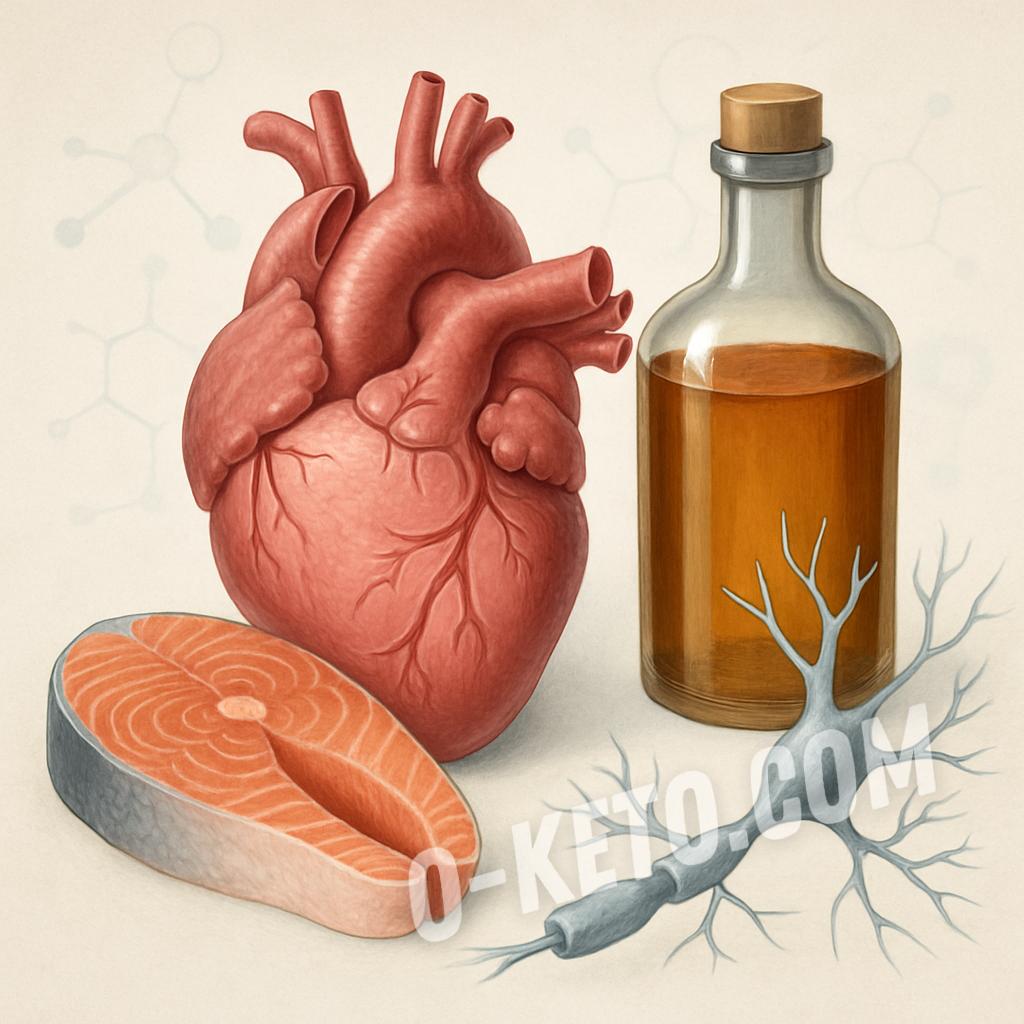
Beriberi is a disease caused by severe deficiency of vitamin B1, also called thiamine. Thiamine is required for converting carbohydrate into usable energy, supporting the nervous system, heart, and skeletal muscles. When it is lacking, cells handle glucose poorly, intermediate metabolic products accumulate, and tissues with high energy demand suffer first. For that reason beriberi is not just ordinary tiredness from a mild vitamin shortage. It is a clinical condition that can injure nerves, the heart, and in related syndromes the brain.
Why B1 deficiency can become dangerous quickly
The body stores only a small amount of thiamine. Unlike fat-soluble vitamins, B1 is not kept for years, so deficiency can develop relatively quickly during poor intake, alcohol use, vomiting, diarrhea, prolonged fasting, strict dieting, or impaired absorption. People are especially vulnerable when a high carbohydrate load is combined with low thiamine intake. The more glucose metabolism has to work, the more important B1 becomes in energy-producing enzyme systems.
Alcohol is one of the most common risk factors because it reduces thiamine absorption, interferes with conversion to active forms, injures the liver, and often displaces real food. But beriberi is not limited to alcoholism. It can also occur after bariatric surgery, with prolonged vomiting, severe intestinal disease, diets based largely on polished rice, parenteral nutrition without vitamins, cancer-related malnutrition, dialysis, and long periods of inadequate calories.
Another reason the disease is missed is that symptoms do not always appear together. One person may mainly have leg weakness and burning feet, another may have swelling and shortness of breath, and another may simply look depleted after vomiting or surgery. If each organ is considered separately, the heart, nerves, or stomach may be treated while the common thiamine deficiency is missed. With undernutrition, alcohol use, weight loss, and neurological complaints, B1 should be among the first causes considered.
Dry and wet forms
Beriberi is classically described as dry or wet. Dry beriberi mainly affects peripheral nerves. A person may feel burning, tingling, numbness, weakness in the legs, unsteady walking, reduced reflexes, and difficulty climbing stairs or walking normally. These signs can resemble other neuropathies, so the diagnosis should not be guessed from one symptom. Diet, alcohol, medications, operations, laboratory data, and the neurological picture all matter.
Wet beriberi affects the heart and circulation. Swelling, shortness of breath, rapid pulse, weakness, enlarged heart, and signs of heart failure can occur. A severe form called shoshin beriberi can present abruptly with low blood pressure, lactic acidosis, and high risk of death. This is an emergency and requires medical care, not home experiments with supplements.
Nutrition and low-carbohydrate diets
A low-carbohydrate diet does not automatically raise the risk of beriberi when it is built from meat, fish, eggs, organ meats, nuts, seeds, vegetables, and a broad range of nutrient-dense foods. Problems arise when a person sharply reduces total food, fasts for long periods, eats poorly because of nausea, drinks alcohol, or lives on a very narrow set of foods. During a transition away from high carbohydrate intake, it is important not to think only about sugar and ketones. B vitamins, electrolytes, protein, and overall nutrient density matter as well.
A separate danger is giving glucose or rapidly refeeding a severely depleted person without thiamine. In refeeding syndrome, the need for B1 increases, and a hidden deficiency can declare itself abruptly. This is why medical practice often gives thiamine before glucose when deficiency risk is significant. The issue is especially important with severe undernutrition, alcohol use, prolonged vomiting, and marked weight loss.
Diagnosis and treatment
Diagnosis is often based on clinical signs and risk factors because waiting for a perfect test can be dangerous. A clinician may assess thiamine status or active thiamine forms, transketolase activity, lactate, electrolytes, liver and kidney function, heart status, and causes of malabsorption. However, when symptoms are significant, thiamine treatment is not delayed. The vitamin is safe, while postponing treatment can leave permanent neurological damage.
Beriberi also has to be distinguished from diabetic neuropathy, B12 deficiency, thyroid disease, toxic nerve injury, heart failure from other causes, and consequences of severe infection. This is difficult to do on one’s own. A general B-complex supplement may help prevention, but true beriberi requires different doses, routes, and urgency. Intravenous or intramuscular thiamine may be needed, especially with vomiting, malabsorption, or neurological signs.
Prevention depends on adequate food and attention to high-risk groups. Food sources include pork, organ meats, fish, eggs, nuts, seeds, legumes, and whole foods, but in established deficiency food alone is usually not enough. Neurological symptoms, heart weakness, prolonged vomiting, heavy alcohol use, rapid weight loss, or recent bariatric surgery all require medical evaluation. Beriberi is best recognized early: recovery is possible, but advanced neuropathy may leave lasting deficits.
If you have any questions about the term "Beriberi", you can ask them to AI. Please note, a low-cost OpenAI model is used. It may answer questions about disease treatment with errors!


