


Circadian rhythm
The internal daily rhythm that coordinates sleep, wakefulness, hormones, body temperature, appetite, glucose handling, digestion, and recovery.

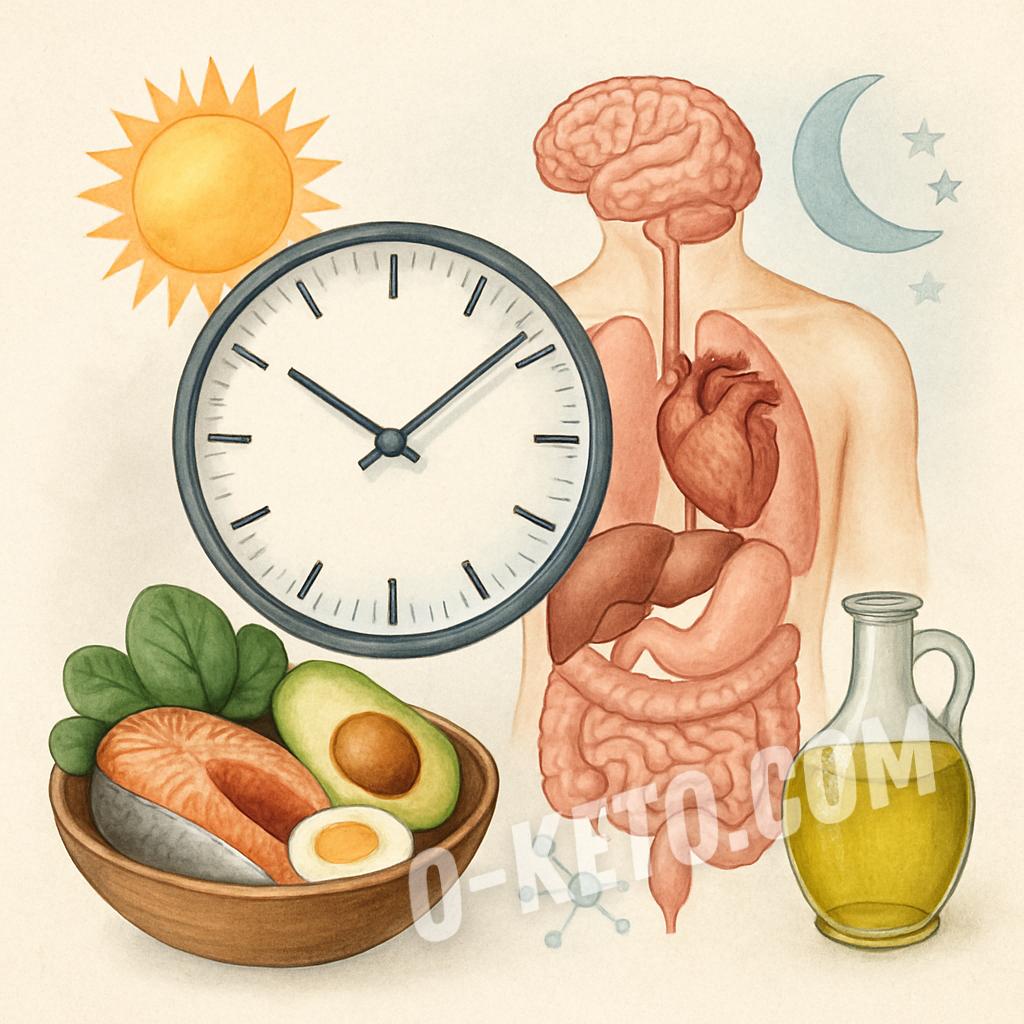
Circadian rhythm is the body’s internal daily timing system. It helps coordinate sleep, wakefulness, hormones, body temperature, appetite, digestion, blood pressure, immune reactions, and glucose metabolism. It is not merely the habit of going to bed at the same time. It is a biological synchronization system shaped by light, darkness, food timing, movement, temperature, and social schedule.
The master clock is located in the suprachiasmatic nucleus of the hypothalamus. It receives light information through the retina and helps the body understand when it is day and when it is night. Peripheral clocks also exist in many tissues, including the liver, muscle, fat tissue, gut, and pancreas. Late meals, night work, and chaotic sleep can therefore desynchronize different body systems.
Light is the strongest external signal for circadian rhythm. Bright morning light helps shift the body toward wakefulness, improves daytime alertness, and makes evening sleep easier. Bright evening light, especially from screens and lamps, can delay melatonin release and push sleep later. Light hygiene can therefore matter more than trying to force sleep by willpower.
Cortisol also follows a daily pattern. It is usually higher in the morning, helping the body wake up and become active, and lower in the evening. Chronic stress, night work, sleep restriction, late intense training, and constant caffeine can make this pattern less healthy. Cortisol itself is not the enemy; it is necessary. The problem is when a wakefulness signal appears at night and interferes with recovery.
Body temperature changes with the circadian rhythm as well. In the evening, the body should gradually prepare for a lower temperature and sleep. A hot bedroom, late sauna, heavy meal, alcohol, or intense training can keep the body activated. Sometimes better sleep starts not with supplements but with a cooler room, an earlier dinner, and calmer evening light.
Melatonin is often called the sleep hormone, but it is more accurate to call it a darkness signal. It tells the body that night is coming and helps synchronize recovery processes. Melatonin supplements can be useful for jet lag or certain rhythm disorders, but they do not replace darkness, regular timing, morning light, and lower evening stimulation. High doses without a clear reason may cause next-day sleepiness or vivid dreams.
Food timing is also a time signal. Heavy late dinners, night snacking, and alcohol can worsen sleep, raise nighttime body temperature, aggravate reflux, and disturb morning glucose. For some people, low-carbohydrate eating stabilizes blood sugar and reduces evening hunger. But if keto comes with under-eating, too much caffeine, low sodium, or very late hard training, sleep can get worse.
Circadian rhythm influences insulin sensitivity. Many people tolerate carbohydrate better in the morning or daytime than late at night, although individual responses vary. Night eating more often produces a higher glucose response and fits poorly with recovery. Meal timing can therefore matter even when calories and macronutrients are the same.
Shift work, frequent travel, night shifts, and irregular schedules are associated with higher risk of metabolic problems, obesity, hypertension, depression, and digestive issues. This does not mean every night worker will become ill. It means such people need to protect sleep more deliberately with room darkness, consistent timing, caffeine control, planned meals, and bright light at the right time.
Physical activity also helps synchronization, especially when it happens in the morning or daytime. Very late hard training raises adrenaline and body temperature in some people and can interfere with sleep. A light evening walk may do the opposite: improve glucose and reduce tension. The timing, intensity, and individual response matter as much as the fact of movement.
Chronotype matters, but it does not cancel biology. A natural night owl may fall asleep later than a morning person, but sleeping after midnight while waking early still creates sleep debt. The goal is not for everyone to live on the same schedule. The goal is to make sleep long enough, regular enough, and aligned as well as possible with light exposure and work demands.
In practice, circadian rhythm is supported by simple but regular actions: morning light, a stable wake time, a darker evening, caffeine not too late, eating during the active part of the day, a cool bedroom, and a predictable schedule. For keto and LCHF, this matters because sleep affects appetite, cortisol, glucose, sugar cravings, and recovery. Even a good diet works worse when the body constantly lives as if it were jet-lagged.
If you have any questions about the term "Circadian rhythm", you can ask them to AI. Please note, a low-cost OpenAI model is used. It may answer questions about disease treatment with errors!


