


Covid-19
Covid-19 is a viral infection that can affect not only the airways but also vessels, clotting, the heart, the nervous system and the general metabolic background, so the key issue is not only fever and cough but also severity and recovery after the acute phase.




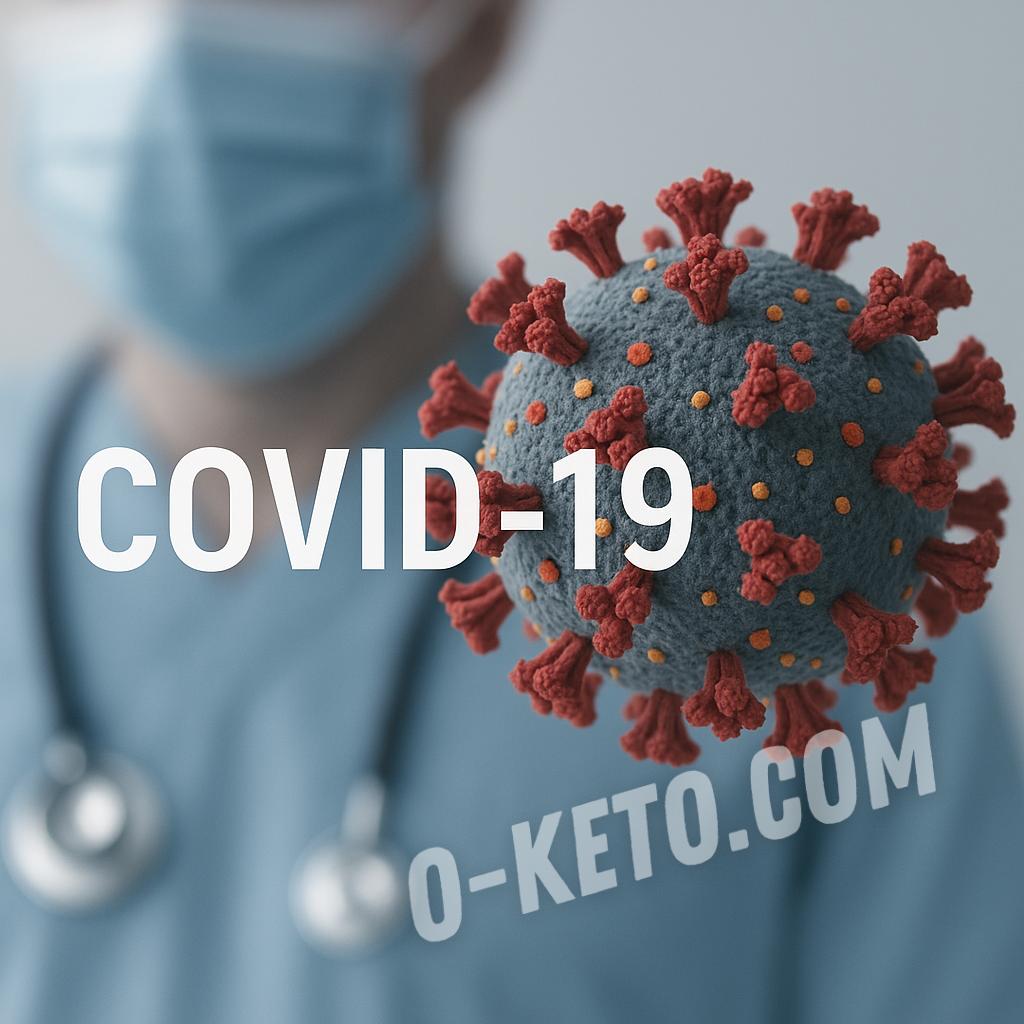
Covid-19 is a viral infection caused by SARS-CoV-2 that can range from nearly asymptomatic illness to severe systemic disease. Early on, it was often seen either as “just another cold” or only as a serious pneumonia, but the real picture is much broader. Covid-19 may affect the airways, blood vessels, clotting, the heart, the nervous system and overall inflammatory balance. That is why the meaning of the disease is not limited to fever and cough, but includes how the body handles the acute phase and whether consequences remain afterward.
Why it should not be reduced to a simple respiratory infection
For many people the illness is indeed limited to fever, fatigue, sore throat, cough and several unpleasant days. Yet in others it triggers a much wider inflammatory response. Oxygenation may worsen, thrombotic risk can rise, the heart may become involved and prolonged weakness or cognitive fog may appear. That systemic potential is what separates Covid-19 from the simplistic idea of “one more viral URI.” The disease can extend beyond local airway inflammation into a broader body-wide disturbance.
Clinical assessment therefore depends not only on the virus itself, but also on age, body weight, comorbidities, vascular status and immune response.
How Covid-19 may present
Symptoms may include fever, chills, fatigue, sore throat, cough, loss of smell, shortness of breath, body aches, headache, GI symptoms and marked exhaustion. In some people respiratory complaints dominate, in others persistent weakness and delayed recovery are more striking, and in others the main issue becomes post-infectious cognitive or vascular symptoms. This means Covid-19 cannot be judged from one symptom alone or from how it looked in someone else. Even when the first days look similar, later evolution may differ greatly.
It is especially important to watch for worsening breathing because the condition can shift faster than a person expects at home.
What influences severity
Severity is shaped by age, obesity, diabetes, cardiovascular disease, hypertension, lung status, immune function and baseline inflammatory burden. General physiological reserves also matter: sleep quality, nutritional status, exhaustion, deficiencies and medication load. Nutrition does not “cure the virus,” but metabolic background and insulin resistance can influence tolerance of illness and recovery. This is one reason why Covid-19 may behave very differently even in people of roughly similar age.
A common mistake is to look only at initial fever while ignoring breathing, oxygen saturation and the overall trend.
After the acute phase: why recovery matters
Some people return to normal quickly after infection, while others face prolonged fatigue, lower exercise tolerance, tachycardia, brain fog, sleep disruption and residual respiratory symptoms. At that stage it is especially important not to force a rapid return to previous exercise if the body is clearly not ready. Recovery after Covid-19 is best judged by energy, breathing, activity tolerance and lingering post-viral symptoms rather than by the fact that the test has turned negative.
In some cases the period after the infection becomes the main source of reduced quality of life even though the acute phase is over.
When closer review is needed
Closer review is needed with increasing shortness of breath, dropping oxygen saturation, chest pain, marked weakness, confusion, persistent tachycardia or prolonged symptoms after the acute illness. The most sensible way to view Covid-19 is as a viral infection with potential systemic continuation in which not only the first symptoms matter, but also the risk of vascular, respiratory and post-viral consequences.
Common mistakes in understanding Covid-19
A common mistake is to judge the illness only by how it looked in other people or how it felt on the first day. Covid-19 becomes clinically meaningful through its dynamics: breathing, weakness, oxygenation, pulse and recovery over time. The more carefully the course is watched, the lower the chance of missing a shift toward a more serious phase or a prolonged post-viral state.
If you have any questions about the term "Covid-19", you can ask them to AI. Please note, a low-cost OpenAI model is used. It may answer questions about disease treatment with errors!


 1 / 4
1 / 4

 1 / 4
1 / 4 1 / 4
1 / 4 1 / 4
1 / 4
