


Docosahexaenoic acid (docosahexaenoic acid, DHA, omega-3 fatty acid)
A long-chain Omega-3 fatty acid that is especially important for the brain, retina, pregnancy, lactation and early development. DHA comes mainly from fatty fish, seafood and microalgae oil; conversion from plant ALA is limited, so the source needs to be chosen deliberately.
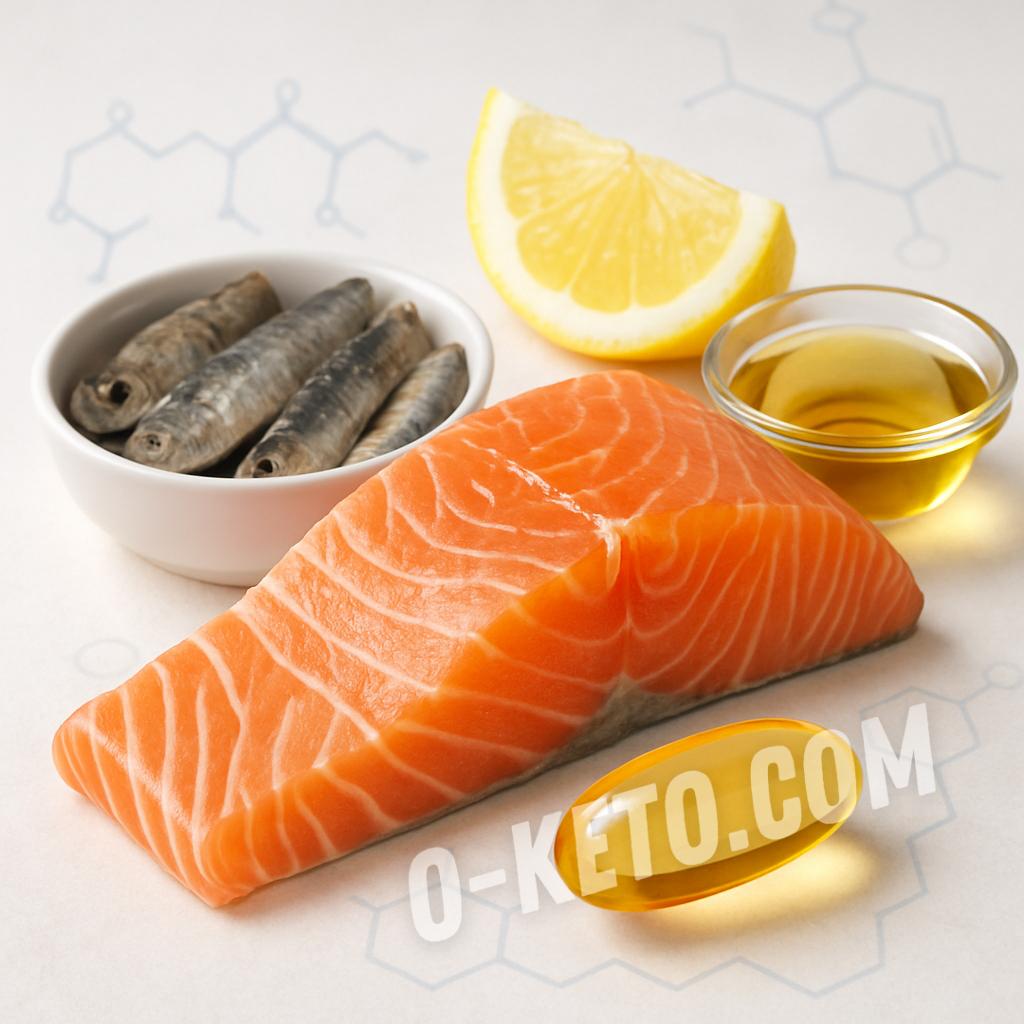
Docosahexaenoic acid, abbreviated DHA, is a long-chain polyunsaturated Omega-3 fatty acid. It differs from plant ALA not only by chain length, but also by its tissue role. DHA is highly concentrated in membranes of nerve cells, the retina and tissues where membrane flexibility and precise signaling matter. The body can make small amounts of DHA from alpha-linolenic acid, but this conversion is limited in adults. In practice, ready-made sources matter more: fatty marine fish, seafood, fish oil and microalgae oil.
In low-carbohydrate nutrition, DHA is not used to “boost ketosis”. Its role is different: it supports the quality of the fat profile, nervous-system tissues, vision, pregnancy-related needs and the balance of inflammatory mediators. When a person moves to keto or LCHF and eats more fat, the fat sources should not become monotonous. Butter, cheese and meat can provide energy and protein, but they do not guarantee enough DHA if fish or algae-derived Omega-3s are almost absent.
Why DHA is discussed separately
DHA is a structural fatty acid. It is incorporated into membrane phospholipids and influences membrane fluidity, receptor function, signal transmission and the properties of cell envelopes. The brain and retina are particularly sensitive to this because their membranes are constantly involved in electrical and light signaling. This is why DHA is often separated from EPA. Both are marine Omega-3 fatty acids, but EPA is more often discussed in relation to eicosanoids and triglycerides, while DHA is more strongly linked with nervous tissue and the visual system.
That does not make DHA a magic supplement for memory or eyesight. Neurological symptoms, worsening vision, headaches, depression or cognitive complaints require proper evaluation, not only an Omega-3 capsule. Still, nutritionally DHA is one of the fats that cannot be replaced well by other fats. Olive oil, butter, coconut oil and lard can be useful in their own contexts, but they do not supply DHA.
Pregnancy, lactation and early development
DHA is especially important during pregnancy and breastfeeding because the developing brain and retina accumulate long-chain Omega-3 fatty acids. This need cannot be reliably covered by flax, chia or walnuts alone. Those foods provide ALA, while conversion of ALA into DHA is limited. Practical recommendations therefore discuss low-mercury fatty fish or microalgae-based supplements separately when fish is not suitable.
During pregnancy, the point is not simply to eat more fish, but to choose safer species and avoid large predatory fish that may accumulate more mercury. Sardines, anchovies, herring, trout, salmon and good-quality seafood are often more appropriate than large predators. DHA supplements in this period should be discussed with a clinician, especially when there are clotting disorders, anticoagulant use, strong nausea, liver disease or poor tolerance of fats.
Food and supplement sources
The main dietary sources of DHA are fatty fish, fish roe, seafood and fish oil. Fish obtain Omega-3s through the marine food chain, while microalgae are the original source. That is why microalgae oil is a logical alternative for vegans, people with fish allergy or those who cannot tolerate the taste of fish oil. Algae supplements may provide DHA alone or a DHA/EPA mixture. The actual dose must be read on the label, not inferred from the total capsule weight.
Source quality matters. Fish oil should be fresh, without a rancid smell, and clearly labeled with EPA and DHA amounts. A capsule advertised as “1,000 mg fish oil” may contain much less DHA, so the milligrams of DHA are the important line. Triglyceride, re-esterified and phospholipid forms may differ in tolerance and absorption, but for most people regular use, freshness and absence of side effects are more important than chasing the perfect form.
DHA in a low-carb diet
On keto and LCHF, DHA is conveniently obtained from fish and seafood because they also provide protein, iodine, selenium, and vitamin D in some species, while adding almost no carbohydrate. That makes fatty fish one of the most natural foods in a low-carbohydrate menu. There is a caveat: if a person restricts calories sharply, digests fat poorly or avoids foods that stimulate bile flow, fatty fish can feel heavy. In that case smaller portions, gentler fish choices and a review of bile or pancreatic issues may be more useful than forcing large servings.
DHA does not cancel the need for other fats. A diet may still need monounsaturated fats from olive oil and avocado, tolerated amounts of saturated fats and small amounts of other polyunsaturated fats. The mistake is trying to repair a poor diet with a large Omega-3 dose. If protein is low, industrial low-carb snacks dominate, sleep is poor and energy intake is chaotic, DHA cannot compensate for all of that.
When caution is needed
Fish as food is usually more helpful than problematic, but concentrated DHA supplements require context. Caution is reasonable with anticoagulant or antiplatelet medication, clotting disorders, preparation for surgery, severe liver disease, fish or seafood allergy and marked gastrointestinal reactions to oils. High-dose Omega-3 products can cause fishy burps, nausea, loose stools and, in sensitive people, a greater tendency toward bleeding.
Laboratory assessment is also worth mentioning. When someone wants to know whether long-chain Omega-3 status is adequate, the red-blood-cell Omega-3 index is more informative than subjective feelings. A person cannot feel the exact amount of DHA in membranes. For serious goals such as pregnancy, high cardiovascular risk, very low fish intake or long-term vegan eating, it is useful to discuss not only a supplement, but also how to monitor the result.
Practical takeaway
DHA is best seen as a required part of a varied fat profile, not as a fashionable capsule. If fish is well tolerated, fatty fish two or three times per week often covers much of the practical need. If fish is excluded, microalgae oil is worth considering. If fish oil is already being used, the actual milligrams of DHA, product freshness and tolerance matter more than the large “Omega-3” label on the front of the bottle.
For keto and LCHF, the main point is simple: low carbohydrate intake should not mean a poor fatty-acid pattern. DHA helps cover the part of nutrition that butter, meat and coconut oil cannot provide. That is why fish, seafood and high-quality algae-derived Omega-3s deserve specific attention in a low-carb diet.
If you have any questions about the term "Docosahexaenoic acid (docosahexaenoic acid, DHA, omega-3 fatty acid)", you can ask them to AI. Please note, a low-cost OpenAI model is used. It may answer questions about disease treatment with errors!


 1 / 4
1 / 4
 1 / 4
1 / 4 1 / 4
1 / 4 1 / 4
1 / 4 1 / 4
1 / 4 1 / 4
1 / 4