


Diabetic neuropathy
Peripheral nerve damage in diabetes can result in burning, numbness, pain and decreased sensation, especially in the feet. For diabetic neuropathy, glucose control, foot care, and prompt medical evaluation are important, not just symptom management.




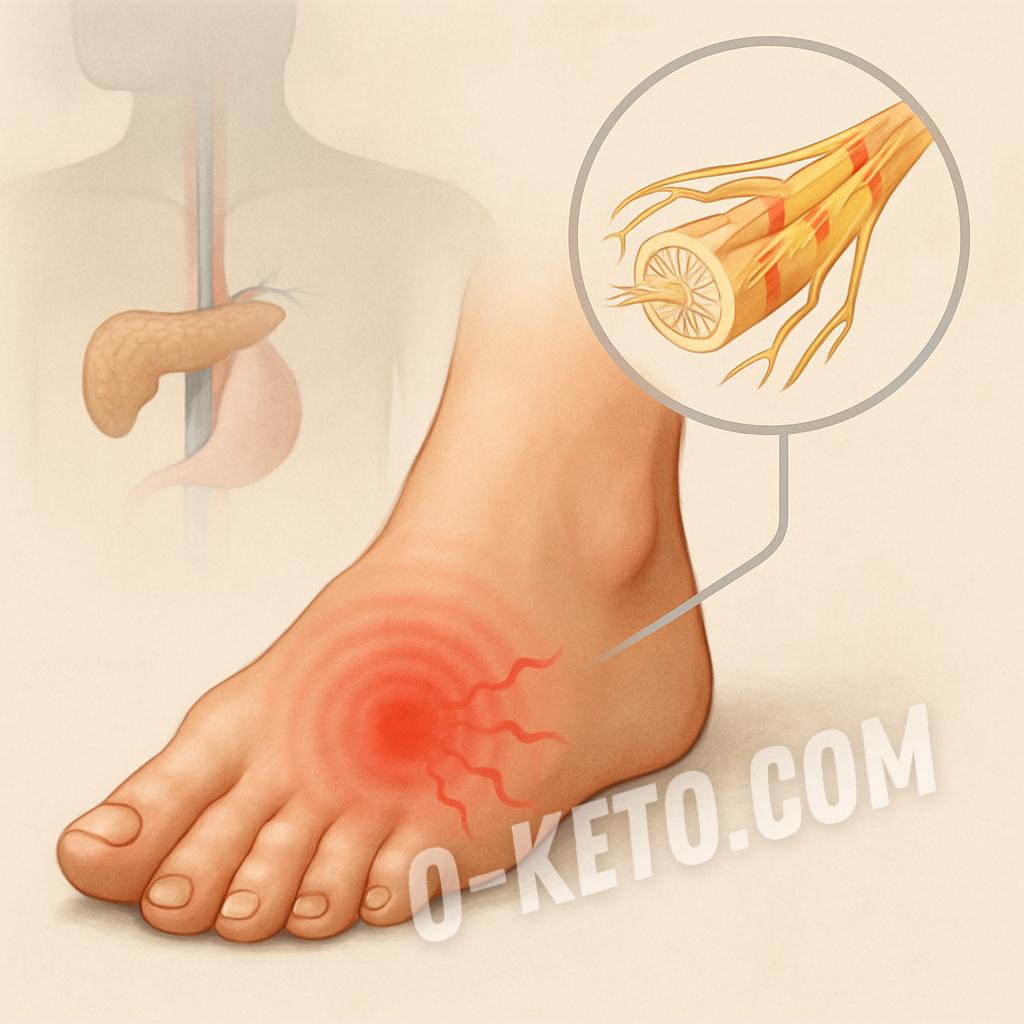
Diabetic neuropathy is a lesion of peripheral nerves that develops against the background of diabetes mellitus or long-term carbohydrate metabolism disorders. Most often, the nerves of the feet and legs are affected, but the hands, the autonomic nervous system, and sometimes individual nerve trunks can also be involved in the process. For some people, this is a burning sensation, tingling and numbness; for others, decreased sensitivity, night pain, loss of stability when walking or decreased control over the condition of the feet. This is not just an unpleasant symptom, but an important complication of diabetes, because loss of sensation increases the risk of injury, ulcers and infections.
Nerve damage is not related to one sugar figure in one day, but to long-term metabolic stress. Nerves are affected by chronic hyperglycemia, oxidative stress, microcirculatory disorders, inflammatory mechanisms and changes in fat and protein metabolism. This is why diabetic neuropathy is usually seen as part of the overall picture of diabetes management rather than as a separate local problem in the feet.
What are the most common symptoms?
The most common symptoms are burning, tingling, crawling sensations, lumbago, tenderness to the touch, decreased sensitivity to temperature or pain, numbness and a feeling as if the feet are wearing thick socks. For some people, complaints are worse at night, interfere with falling asleep and reduce the quality of sleep. Sometimes it is not pain that comes to the fore, but rather the loss of normal sensitivity, due to which a person does not notice chafing, minor wounds or overheating.
Neuropathy can begin gradually, so it can be easily underestimated. A person gets used to the changed sensations and seeks help even when it becomes difficult to walk, balance is disturbed, or problems with the skin of the feet appear. The earlier the condition is noticed, the easier it is to control the risks and prevent more serious complications.
Why is it developing?
The main risk factor is long-term poor blood sugar control, but in practice other things are important: duration of diabetes, glycemic fluctuations, insulin resistance, high triglycerides, hypertension, smoking, chronic inflammation and associated deficiencies. Nerves can also be affected by vitamin B12 deficiency, alcohol, thyroid disease, and certain medications. Therefore, when complaining of neuropathy, it is important not to automatically attribute everything to diabetes, but to take a broader view.
In a person with prediabetes or early carbohydrate metabolism disorders, similar symptoms are also possible. This is another reason not to postpone the examination if there is burning, numbness or night pain in the feet. Sometimes nerve tissue begins to suffer before diabetes becomes obvious to the patient.
What is important in treating and monitoring the condition
The basis remains working with the cause itself: more stable glucose control, reduction of sudden jumps, correction of nutrition, pressure, lipids and other factors that damage blood vessels and nerves. Foot care, footwear, risk of injury, skin condition and need for pain relief are assessed separately. If a painful form of neuropathy is present, the doctor may select medications specifically for neuropathic pain, because conventional painkillers do not always help.
Daily foot monitoring is very important. With reduced sensitivity, a person may not notice cracks, foreign objects, calluses and early signs of ulcers. Therefore, examining the skin, careful care, attention to shoes and timely treatment of problem areas are no less important than talking about supplements or vitamins.
The role of nutrients and supporting factors
Nutritional support can be a useful part of the overall strategy, but does not replace glycemic correction and medical supervision. In practice, B vitamins, magnesium, alpha-lipoic acid and other approaches are discussed depending on the specific situation. Biotin is also found in some regimens to support nerve tissue and carbohydrate metabolism, especially when it comes to supplementary nutritional measures rather than as a replacement for primary treatment.
It is important to remember the real boundaries of such schemes. If the pain increases, severe weakness, foot deformity, gait instability or ulcers appear, it is unsafe to wait for the effect of supplements alone. This requires a medical plan, and sometimes the participation of a neurologist, endocrinologist, podologist or surgeon.
When to see a doctor quickly
Urgent medical evaluation is needed if, along with numbness and pain, there are wounds, redness, swelling, weeping, increased skin temperature of the foot, a sharp asymmetry of symptoms, sudden weakness, or problems with urination and digestion, which may indicate autonomic neuropathy. The situation when the pain is so severe that it disrupts sleep and normal daily activities should not be underestimated.
Even without emergency symptoms, consultation is useful for anyone who is suspected of having diabetic neuropathy. A doctor can evaluate sensation, reflexes, and vascular health, rule out B12 deficiency and other reversible causes of symptoms, and help build a strategy to manage risk to the feet and nervous system.
Practical meaning of lifestyle
In the long term, the forecast is influenced not by one perfect day, but by a stable pattern. Regular eating, predictable physical activity as tolerated, weight control, sleep, quitting smoking, and reducing the frequency of significant glucose spikes work better on nervous tissue than occasional brief efforts. For some people, shoe adjustments are also useful to reduce pressure on vulnerable areas of the feet.
Diabetic neuropathy is a complication that requires attention to detail. The earlier a person notices the first symptoms and the more systematically he approaches diabetes control, the higher the chance of slowing down the progression, maintaining sensitivity and avoiding foot damage, which already changes the quality of life much more than the initial tingling or burning sensation itself.
If you have any questions about the term "Diabetic neuropathy", you can ask them to AI. Please note, a low-cost OpenAI model is used. It may answer questions about disease treatment with errors!


 1 / 4
1 / 4 1 / 4
1 / 4

 1 / 4
1 / 4 1 / 4
1 / 4

