


E1200 (polydextrose)
Polydextrose is a synthetic soluble fiber made from glucose and used for bulk, texture, and calorie reduction in sweet products. In low-carb eating, E1200 matters because of dose, gut tolerance, and its ability to make processed foods look healthier than they are.
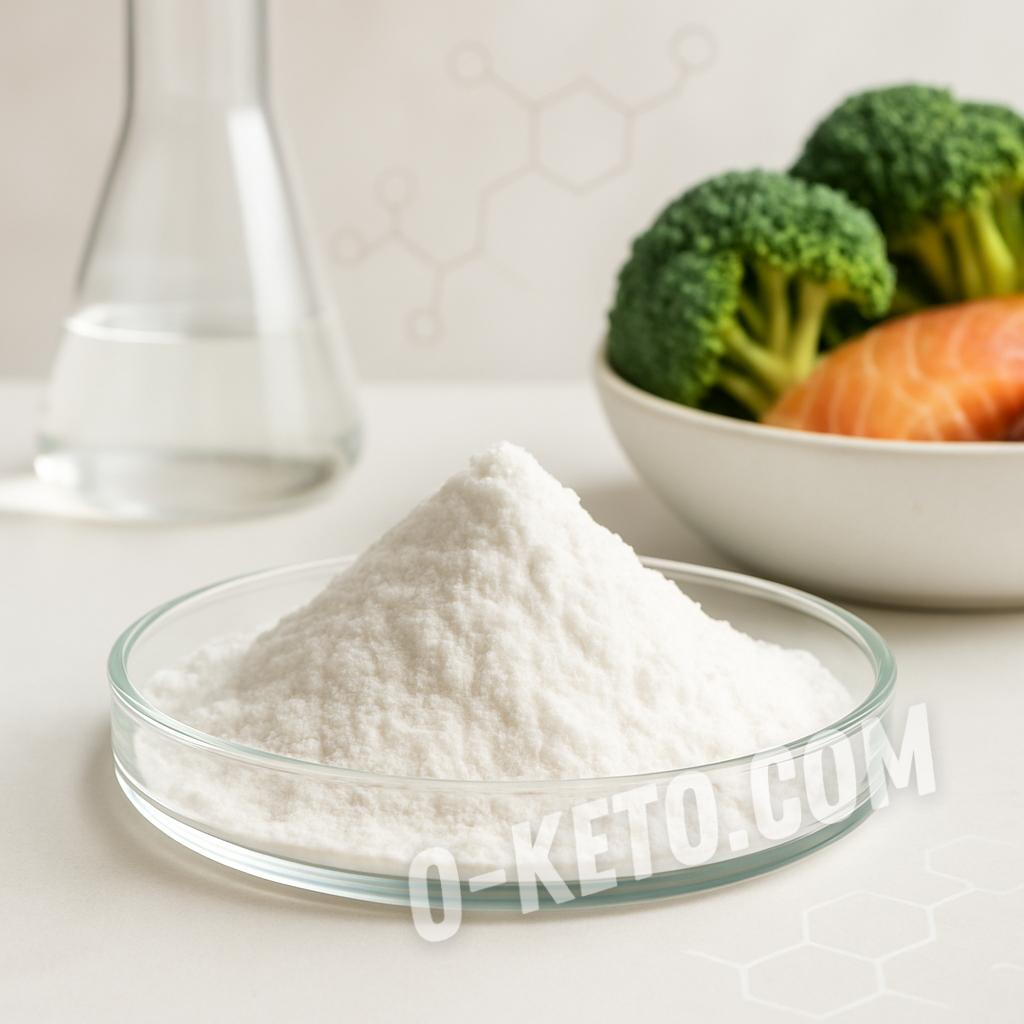
E1200 is polydextrose, a synthetic soluble fiber made from glucose with other technological components. Despite its glucose origin, it does not behave like ordinary sugar. A substantial part is poorly digested in the small intestine and is partly fermented by the microbiota. In food production, polydextrose is used for bulk, texture, calorie reduction, replacement of some sugar or fat, and increasing the declared fiber content. That is why E1200 is often found not in simple whole foods, but in bars, desserts, drinks, mixes, and products marketed as sugar-free or fiber-enriched.
What it does in food
Polydextrose is convenient for manufacturers because it adds mass and body without the same sweetness and calorie density as sugar. When sugar or fat is removed from a product, the texture can become empty, dry, or watery. E1200 helps bring back substance: it can make a bar denser, a dessert softer, a drink fuller, or a baked product less crumbly. At the same time, polydextrose is not a whole food by itself. It is a technological fiber that may be useful in a formula, but its presence does not make an ultra-processed product equivalent to vegetables, nuts, or naturally fiber-rich foods.
Effect on glucose
Polydextrose usually produces a lower glycemic response than sugar or starch because it is not fully broken down into absorbable glucose. This makes it attractive for reduced-sugar products. But the word “fiber” does not automatically make a food safe for diabetes or strict keto. On the label, E1200 may appear next to maltitol, syrups, starch, milk powder, flour, fructose, or other ingredients that can noticeably affect glucose. If the serving is large, even a low-glycemic component becomes part of the total food load. New products are better tested in a realistic serving, not judged only by a marketing number.
Gut tolerance
Because polydextrose is a fermentable fiber, the main side effects are digestive. Some people find that it improves satiety and bowel regularity. Others develop bloating, gas, rumbling, cramps, or loose stool. The risk is higher with a sudden dose increase, with combinations of sugar alcohols, inulin, FOS, and other prebiotics, and in small intestinal bacterial overgrowth or irritable bowel symptoms. If a sugar-free product causes strong bloating, the problem may not be one sweetener alone. It may be the whole blend of polyols and fibers. Polydextrose should therefore be judged by real tolerance, not only by the idea that fiber is beneficial.
Relevance for keto and LCHF
In low-carb nutrition, E1200 can be an acceptable additive if the whole product is well formulated, contains no sugar or starch, and the serving does not trigger cravings. But it is not an essential ingredient and not a replacement for real food. A common problem with low-carb sweets is that they may formally contain few net carbs while still maintaining a dessert habit, encouraging overeating, and interfering with appetite regulation. Polydextrose can reduce the sugar content of a product, but it does not solve the behavioral side of sweet foods. For strict keto, the total ingredient list, glucose response, and ability to stop at a reasonable portion matter more.
How to read the label
When E1200 appears in the ingredient list, it is worth asking what job it performs. In a simple product, polydextrose may provide soluble fiber and texture. In a questionable product, it may create a health halo while sweet fillers, starch bases, and flavorings remain. The carbohydrate line, fiber, sugar alcohols, calories, and serving size all matter. If a manufacturer emphasizes low sugar but the serving is tiny and the product causes hunger or digestive upset, the formula is not very useful. E1200 is neither an enemy nor a miracle. It is a processed fiber that needs context.
If you have any questions about the term "E1200 (polydextrose)", you can ask them to AI. Please note, a low-cost OpenAI model is used. It may answer questions about disease treatment with errors!


 1 / 4
1 / 4 1 / 4
1 / 4


