


E1420 (acetylated starch)
Acetylated starch helps retain moisture and slows water release from gels; in low-carb eating it remains a processed starch thickener, not fiber.
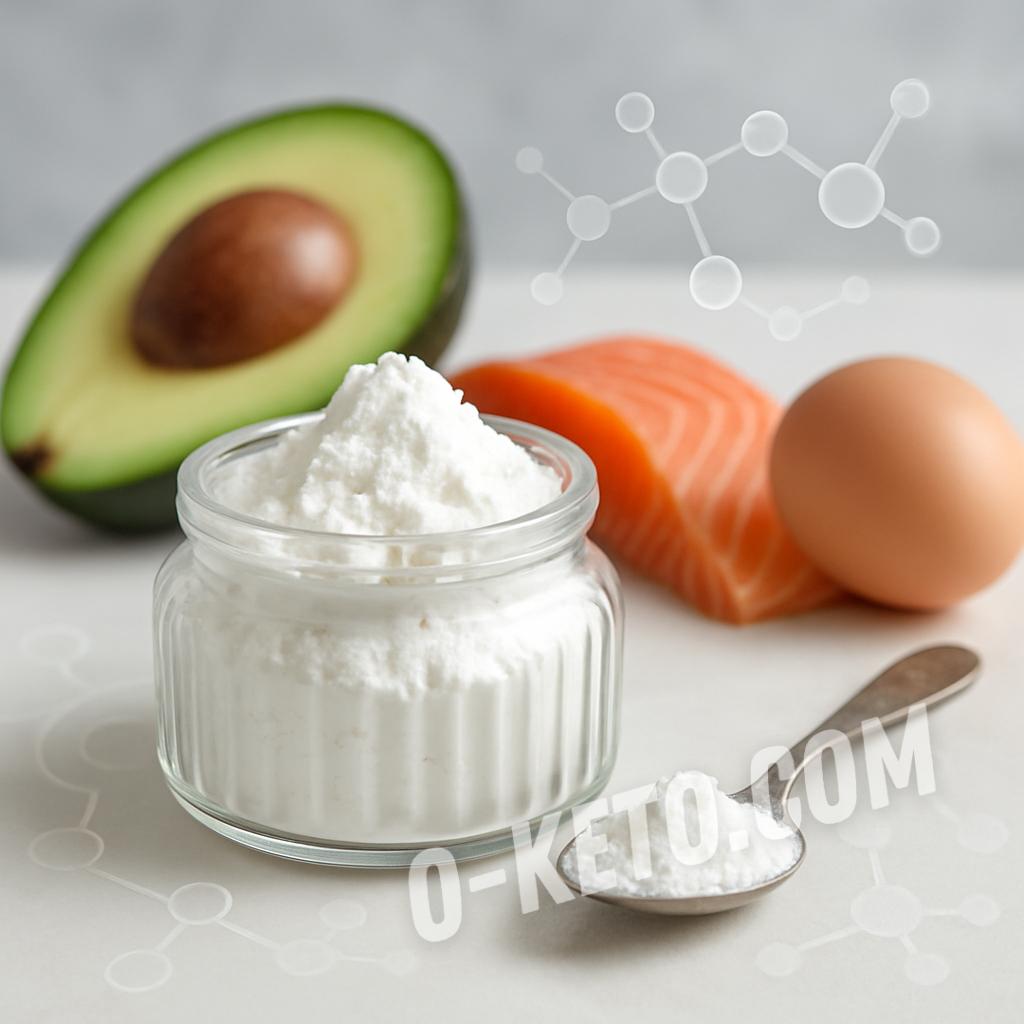
E1420 is acetylated starch. It is produced when some hydroxyl groups in starch are replaced with acetyl groups using food-grade reagents such as acetic anhydride or vinyl acetate within technological specifications. This processing does not make starch low-carb and does not turn it into vinegar or a beneficial acid. It changes how starch holds water, swells, ages after cooling and behaves during storage.
A plain starch gel can become firmer over time and release liquid. In food technology this is called retrogradation and syneresis. For a home dish eaten immediately, this may not matter much. For an industrial sauce, dessert, filling or chilled semi-finished food, it is a serious problem: the product must remain smooth, moist and consistent after the shelf, refrigerator or transport. E1420 is used to solve exactly that problem.
What acetylation provides
Acetyl groups slightly change how starch chains interact with one another and with water. As a result, the mass can stay softer for longer, release less water and maintain a tender texture after cooling. This is especially useful in creamy products and fillings, where an unpleasant watery surface quickly ruins appearance and mouthfeel.
Technological softness should not be confused with nutritional benefit. Acetylated starch does not become a source of complete protein, does not add beneficial fats and does not reduce carbohydrates by itself. It simply helps a processed product look and feel more stable. The more strongly a food depends on this stabilization, the further it is from simple food made from recognizable ingredients.
Where E1420 appears
E1420 may appear in sauces, dessert bases, creamy fillings, ready soups, dairy analogues, chilled foods, semi-finished products and foods that need a moist soft texture. Its role is not necessarily noticeable in flavor. More often it prevents a watery film, keeps thickness even, preserves tenderness and stabilizes texture after storage.
On a label it should be judged together with neighboring ingredients. If sugar, syrups, flour, maltodextrin, other starches and oils are present, the product is probably built on industrial carbohydrate texture. If E1420 appears at the very end of the list and the serving is small, the practical effect may be moderate. In thick desserts and sauces, however, it may be part of the base rather than a trace detail.
Keto and LCHF context
In keto and LCHF, trace E1420 does not need to be demonized, but it is important to remember that it is starch. Acetylation changes technological behavior, not the metabolic nature of the ingredient. In strict ketosis, products where acetylated starch is among the main components are usually poor choices: they may be sugar free while still containing a carbohydrate base.
For people with diabetes, insulin resistance or appetite control goals, the sugar line is not enough; total carbohydrates per serving matter. Soft starch-based textures are easy to overeat: a dessert feels light, a sauce feels airy, yet satiety may be weaker than from whole food with protein and fat. E1420 is therefore a cue to read the entire formula more carefully.
Tolerance and practical conclusion
In food-use amounts, acetylated starch is usually not a separate problem for a healthy person. Finished foods containing it, however, often include several digestion-relevant factors: fat, salt, acids, polyols, emulsifiers, flavors and other thickeners. If bloating, sleepiness, heaviness or quick hunger appears after such products, the whole formula may be responsible rather than one code.
For celiac disease or strict gluten avoidance, the source of starch and gluten-free labeling need to be checked. The number E1420 does not say whether the original starch came from corn, potato, wheat, rice or tapioca. For everyday low-carb choices, the most reliable approach is simple: keep industrial starch stabilizers as occasional exceptions and build the basic thickness of meals from eggs, cream, cheese, gelatin, vegetable puree or reduction.
If you have any questions about the term "E1420 (acetylated starch)", you can ask them to AI. Please note, a low-cost OpenAI model is used. It may answer questions about disease treatment with errors!

 1 / 4
1 / 4

 1 / 4
1 / 4


