


E338 (Orthophosphoric acid)
Orthophosphoric acid gives cola-type drinks their sharp dry acidity; the main concerns are not carbohydrates in the acid itself, but frequency, acidity and phosphorus context.
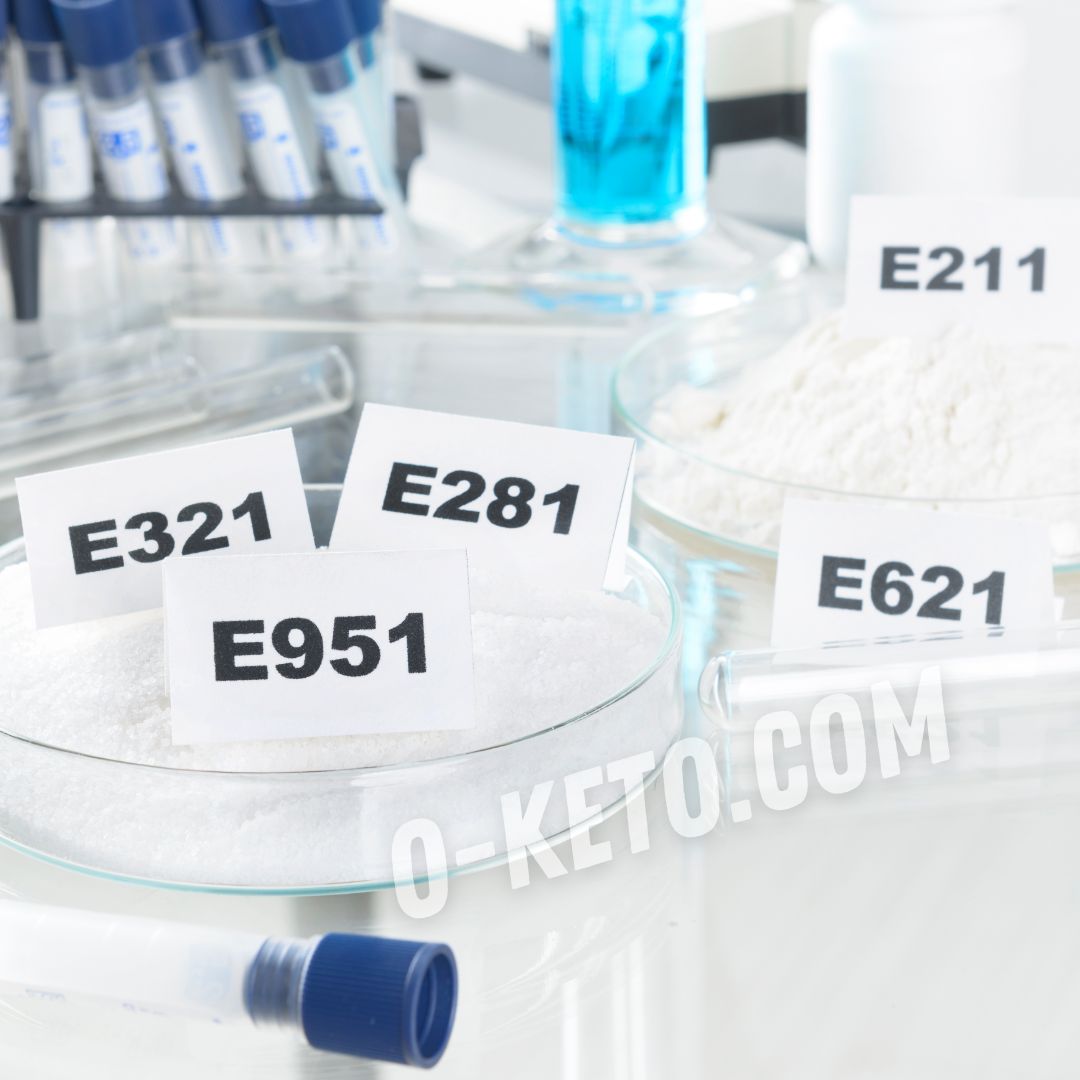
E338 is orthophosphoric acid, an inorganic acid used as an acidity regulator. Its most recognizable context is cola-type carbonated drinks, where it gives a dry, sharp, mineral-like acidity and helps create the characteristic taste. Unlike citric or tartaric acid, E338 is not associated with a fruity profile, but with phosphate acidity. For nutrition, its technological role matters less than the frequency of consuming products that contain it, especially sweet and carbonated drinks.
What orthophosphoric acid is
Orthophosphoric acid contains phosphorus and an acidic hydrogen component. In foods it is used in small amounts to adjust pH and flavor. It is not sugar, a sweetener or a colorant. Its role is to make the environment more acidic and provide a specific dry sourness that is difficult to reproduce with citric acid alone.
Phosphorus as a mineral is essential. It is part of bones, teeth, ATP, cell membranes and many biochemical systems. This does not mean that phosphoric acid in soda is a useful phosphorus source. In nutrition, form, dose and food context matter. Phosphorus from whole foods that also provide protein and minerals is very different from phosphate acidity in a sweet drink.
Why it is used in cola
Cola has a recognizable taste not only because of sweetness, caffeine and flavorings. Orthophosphoric acid creates a sharp, dry acidity that balances sugar and makes the drink less cloying. Without acid, a sweet carbonated drink would feel heavier and stickier. E338 helps the drink feel more refreshing even when it contains a lot of sugar.
In sugar-free drinks, E338 may still remain part of the flavor architecture. The carbohydrate load is then lower, but acidity, caffeine, sweeteners, carbonation and frequency of use still matter. A sugar-free soda is not the same as water. It may maintain a preference for intense sweet-sour taste and may be poorly tolerated by sensitive digestion or tooth enamel.
Low-carb relevance
Orthophosphoric acid itself is not a carbohydrate. If a drink is sugar-free, E338 does not make it high-carb. In regular sweet cola, however, the main issue is sugar or syrup. Acidity can mask sweetness, making the drink easy to consume in large volumes. For keto and LCHF, this is important: a sour balance does not cancel dozens of grams of sugar in a serving.
On a low-carb diet, sugar-free drinks are sometimes used as a transition tool. That may be better than regular soda, but they should not become the foundation of hydration. If a person drinks a lot of sugar-free cola, it is worth looking at caffeine, stomach response, dental health, sweet taste cravings and whether the drink displaces water, mineral water, tea or calmer alternatives.
Phosphorus and mineral balance
The body needs phosphorus, but modern diets are rarely short of it. Phosphorus comes from meat, fish, dairy, eggs, nuts, legumes and food additives. The problem is usually not the existence of phosphorus itself, but excess phosphate additives in a weak diet, low calcium intake, kidney disease or very high soda consumption.
The kidneys regulate phosphorus levels, so phosphate additives require special attention in chronic kidney disease. In that situation, medical and dietetic advice matters more than personal interpretation of one E-number. For a healthy person, occasional moderate intake of foods containing E338 is usually not a separate disaster, but daily large volumes of cola are a different dietary pattern.
Acidity, teeth and digestion
Acidic drinks can affect tooth enamel, especially when they are sipped often and kept in the mouth for a long time. Sugar adds another problem through bacterial fermentation, but even sugar-free drinks remain acidic. Rinsing with water after an acidic drink, avoiding constant sipping and waiting before brushing can reduce acid exposure to enamel.
For the stomach and esophagus, individual tolerance matters. In reflux, active gastritis, peptic ulcer disease or strong heartburn, acidic carbonated drinks can worsen symptoms. E338 is not the only reason: gas, caffeine, sweeteners, serving size and total acidity work together. If a specific drink repeatedly causes discomfort, removing that drink is more useful than trying to find a perfect acid dose.
How to read E338 on a label
E338 should be read as a strong acidity regulator with a characteristic flavor profile. In cola and similar drinks it helps make sweetness drier and more refreshing. In other foods it may help control pH. By itself, it does not tell how much sugar the product contains, so the ingredient list must be read together with the nutrition panel.
The practical conclusion is balanced. Orthophosphoric acid does not require panic when consumed occasionally, but products containing it should not become a daily base. For low-carb eating, sugar and syrups are the main issue. For teeth, frequency of acidic contact matters. For kidneys and mineral metabolism, total phosphorus and medical context matter. For habits, the question is whether an intense sweet-sour taste displaces normal food and water.
If you have any questions about the term "E338 (Orthophosphoric acid)", you can ask them to AI. Please note, a low-cost OpenAI model is used. It may answer questions about disease treatment with errors!


 1 / 4
1 / 4
