


E627 (sodium guanylate)
Disodium guanylate sharply boosts meaty and brothy flavor while adding a sodium salt; the whole formula, salt load and processing level matter most.
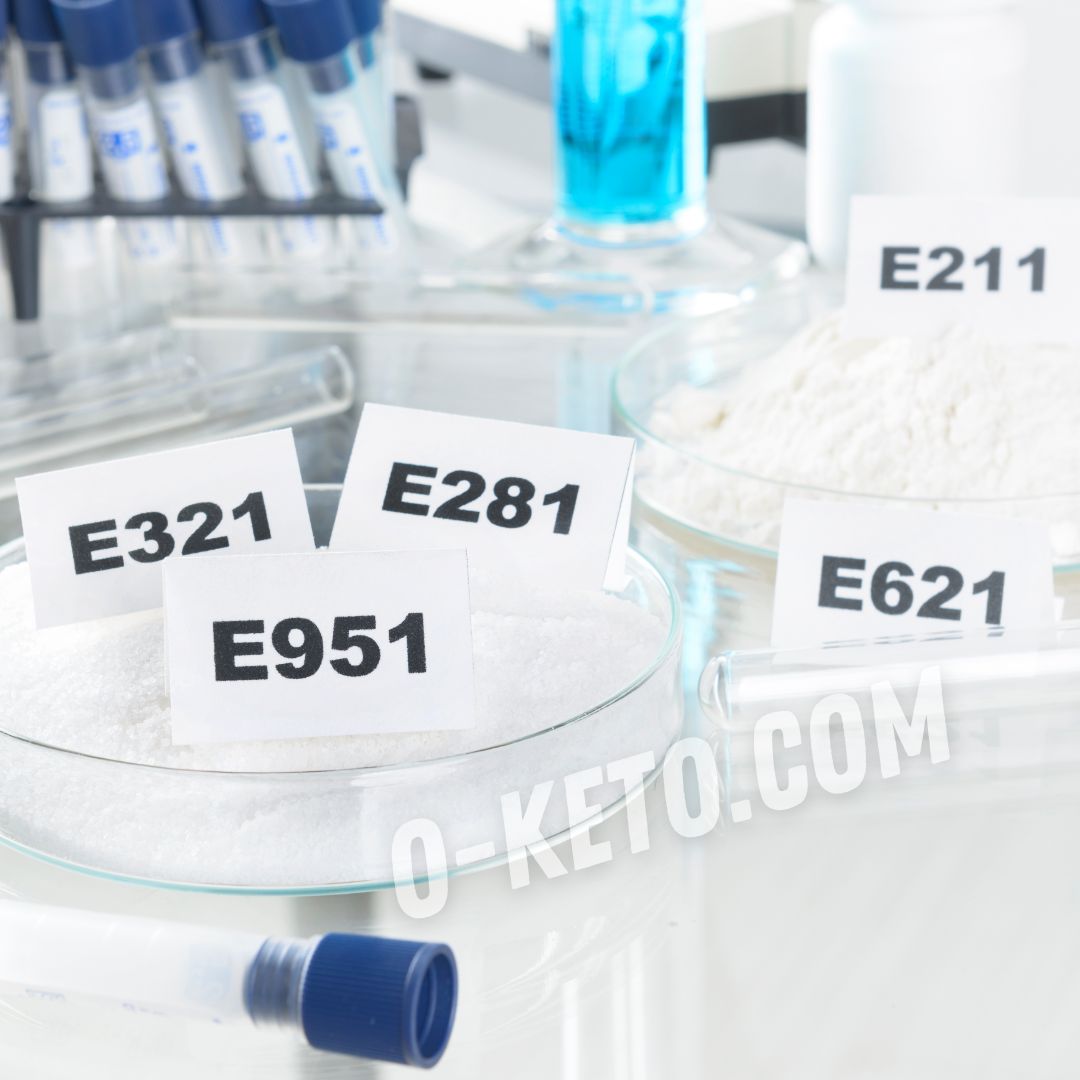
E627 is disodium guanylate, the sodium salt of guanylic acid used as an umami flavor enhancer. Its effect is especially strong together with glutamates, making meaty, brothy and savory notes feel more intense. Because it carries sodium, it should be read not only as a flavor additive, but also in the context of total salt load.
An additive with mineral, acidic, or flavoring action does not automatically make a product bad. However, it helps to understand the technology: the product may have been regulated for pH, aerated, protected from caking, enhanced in flavor, or stabilized in color.
What is this additive
Sodium guanylate is obtained or described through the following chemical basis: sodium salt of guanylic acid. In food technology, it is valued for its reproducible action in specific environments: acidic, alkaline, dry, protein, saline, or fatty.
If the code refers to old or ambiguous positions, it is especially important to look for not only the number but also the full name of the substance on the label. An error in one digit can replace carbonate, phosphate, metal salt, or flavor enhancer with a completely different substance.
Why it is used
It sharply enhances the broth and meat flavor in snacks, soups, and seasonings. In industry, such additives help the product withstand storage, transportation, heating, freezing, or mixing without losing the expected appearance and taste.
In home recipes, some of these tasks are solved more easily: with fresh raw materials, short shelf life, natural acid, salt, fermentation, or proper heat treatment. In factory products, the additive makes the result more stable and cheaper for large-scale production.
Nutritional value and metabolism
E627 is usually not an independent source of nutrients, even if the name includes calcium, magnesium, iron, potassium, amino acids, or organic acids. The amount in the product is often technological rather than therapeutic.
For healthy eating, keto, and LCHF, it is more important to look at the entire recipe: sugar, flour, starch, syrups, refined oils, salt, protein, and portion size. The additive may be neutral but present in a product that poorly fits your goals.
Safety and tolerance
It often works together with E621, so it may contribute to overeating ultra-processed products. The risk depends on the dose, frequency of consumption, age, kidney and gastrointestinal diseases, allergies, medications, and overall mineral balance.
If headaches, flushes, itching, abdominal discomfort, thirst, swelling, or increased appetite recur after consuming products with E627, it is helpful to compare labels and discuss the observation with a specialist. This is especially true for phosphates, potassium salts, flavor enhancers, and old codes with unclear status.
Disodium guanylate is not ordinary table salt, but it still contributes a sodium component. In products with E627, the flavor enhancer should be assessed together with total sodium, especially for people watching blood pressure, edema, kidney health or a high intake of ready-made food. Small portions of snacks and seasonings can sometimes add up more salt than expected.
Like E626, E627 belongs to nucleotide-based umami enhancement and is often paired with glutamates. This allows a manufacturer to make flavor taste meatier and fuller without using many natural ingredients. That is why E627 more often signals technological flavor construction than high-quality raw materials.
For keto and LCHF, E627 itself is not a carbohydrate, but the product category that uses it is often more problematic than the additive itself. Soup powders, snacks, seasonings, ready meat products and sauces often contain sugar, maltodextrin, flour, starch and cheap oils. Those neighboring ingredients affect low-carb compatibility much more strongly.
For people with gout or high uric acid, the total purine context of the diet matters more than fixation on one E-number. Alcohol, fructose, excess calories, dehydration, obesity and a high intake of meat products are usually more significant than the technological additive alone. Still, if the diet already depends heavily on processed meat snacks, that context is worth noticing.
Practically, E627 is a signal to read a long ingredient label carefully. In an occasional product, it is not necessarily decisive. But if flavor depends daily on enhancers instead of real ingredients, such a pattern is usually easier to overeat and less likely to give stable satiety.
How to evaluate on the label
Look at where E627 is in the composition and what ingredients are nearby. At the end of the list, it is often a small technological dose; at the beginning or next to several similar additives, it is a sign of a heavily processed recipe.
Practical conclusion: Sodium guanylate should be evaluated without panic but carefully. If the product is based on understandable raw materials and the additive solves one technological task, that is one thing; if the composition relies on flavor enhancers, stabilizers, phosphates, sweeteners, and flavorings, it is better to reserve such a product for rare consumption.
If you have any questions about the term "E627 (sodium guanylate)", you can ask them to AI. Please note, a low-cost OpenAI model is used. It may answer questions about disease treatment with errors!


 1 / 4
1 / 4


 1 / 4
1 / 4
 1 / 4
1 / 4