


Epicatechin gallate
A tea and cocoa catechin from the flavan-3-ol family; it matters as part of the polyphenol profile of drinks and foods, not as a separate keto supplement.
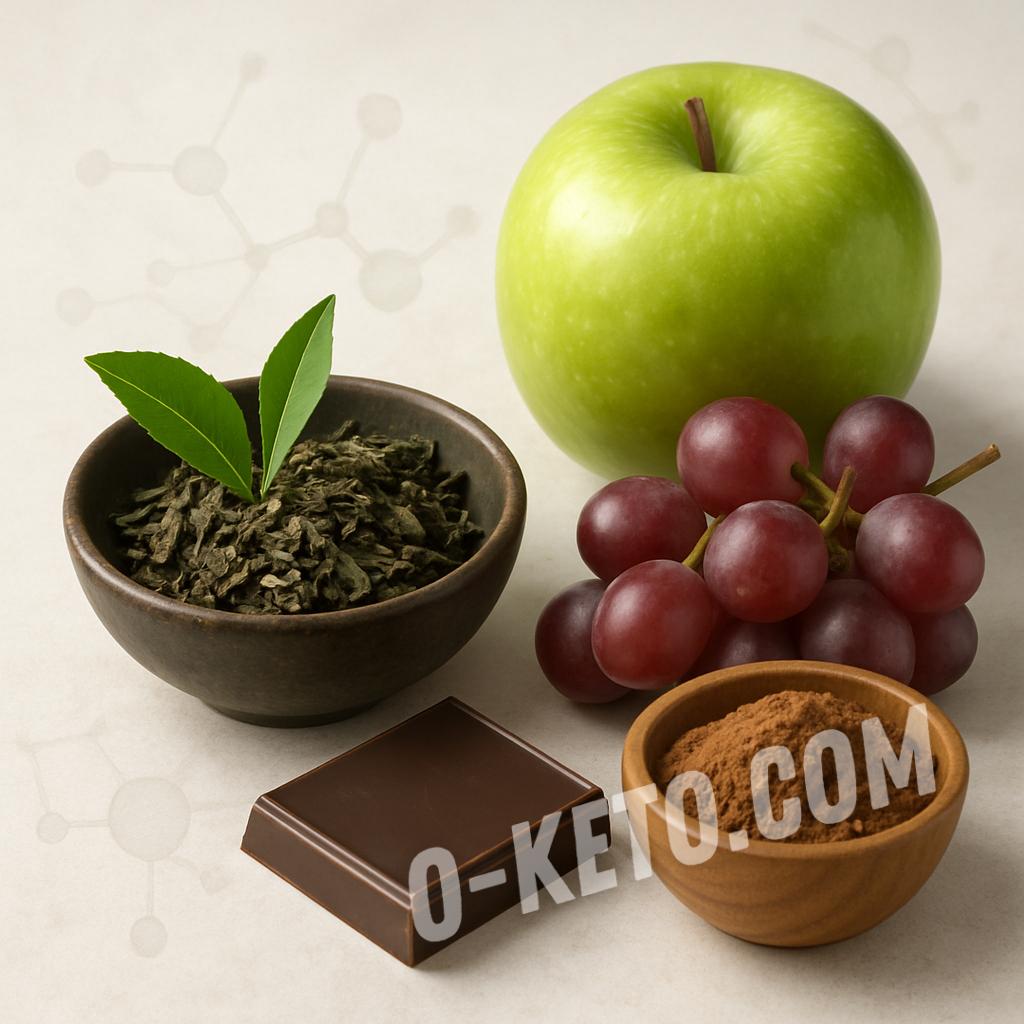
Epicatechin gallate, or ECG, is a catechin from the flavan-3-ol family. It occurs in tea, cocoa, grapes, and some plant foods, but it is most often discussed as part of the polyphenol profile of green and black tea. Its name resembles EGCG, epigallocatechin gallate, but it is not the same compound. ECG has its own structure, bioavailability, and contribution to astringency, antioxidant activity, and the overall taste of tea.
Where ECG is found
The main food source is tea. Leaves of Camellia sinensis contain several catechins: epicatechin, epigallocatechin, epicatechin gallate, and epigallocatechin gallate. Their ratio depends on variety, processing, fermentation, brewing temperature, steeping time, and leaf freshness. Green tea usually contains more original catechins, while in black tea some compounds turn into theaflavins and thearubigins, changing taste and chemical profile.
Cocoa can also provide epicatechins, but the exact profile depends on fermentation, roasting, variety, and processing. Sugar-containing chocolate should not be considered a good keto polyphenol source just because it contains cocoa. Unsweetened cocoa, cacao nibs, or small portions of dark chocolate may fit LCHF if they are tolerated and do not trigger overeating. The whole product matters more than the word polyphenols.
How it acts in the body
Epicatechin gallate is studied in relation to oxidative stress, inflammatory signaling, vascular function, microbiota, and lipid metabolism. In laboratory conditions, catechins can show antioxidant activity, but in the body they are metabolized, conjugated, excreted, and partly transformed by microbes. The effect of a cup of tea is therefore not the same as direct delivery of unchanged ECG into tissues. The real response depends on gut health, liver metabolism, dose, regularity, and the overall diet.
Catechins also affect taste: astringency and mild bitterness help make a drink satisfying without sugar. This practical value is often more reliable than loud supplement claims. Unsweetened tea can help replace sweet drinks, make the eating window calmer, and add polyphenols without carbohydrates. But if tea triggers anxiety, reflux, or insomnia because of caffeine, the polyphenol source should be changed or softened.
Keto, LCHF, and tea
For keto and LCHF, catechin-containing tea is convenient because it contains almost no carbohydrate when sugar, honey, syrups, and sweet milk mixtures are not added. Green tea, oolong, black tea, and unsweetened cocoa can be part of the diet. But catechins do not make tea mandatory. Polyphenols can also come from greens, olive oil, moderate berries, spices, cocoa, and vegetables.
Tea should not replace food. If a person drinks strong tea all day instead of eating properly, gets too little protein, too little salt, and sleeps poorly, polyphenols will not rescue the situation. In some people, strong tea on an empty stomach increases nausea, stomach irritation, or palpitations. On a low-carbohydrate diet this can overlap with electrolyte deficiency and overly long fasting intervals.
Iron is another practical nuance. Tea tannins and catechins may reduce non-heme iron absorption when strong tea is consumed with meals or iron supplements. For most people this is not critical, but with iron deficiency, anemia, pregnancy, heavy menstruation, or ferritin restoration, tea and iron are better separated in time. This does not make tea harmful; it simply shows that even useful polyphenols have context.
Supplements and safety
Separate ECG supplements are less common than green tea extracts or EGCG products. But the safety logic is similar: a concentrated extract is not the same as a cup of tea. Extracts may contain a higher dose of catechins, caffeine, and accompanying compounds, with greater risk of gastrointestinal irritation or drug interactions. People with liver disease, pregnancy, lactation, anemia, anxiety disorders, arrhythmias, and complex medication plans should be especially cautious.
In practice, ECG is best seen as one component of a quality tea and cocoa profile. It can be part of a low-sugar, polyphenol-rich diet, but it is not an independent solution for weight loss, detoxification, blood vessels, or inflammation. The most sensible approach is to choose unsweetened drinks and foods that are well tolerated, do not disrupt sleep, and do not displace protein, minerals, and real meals.
Brewing also changes the practical result. Very hot water and long steeping produce more astringency, caffeine, and irritating potential. Gentler brewing may be better for the stomach and sleep even if the cup contains fewer catechins. The goal is not to extract the maximum from the leaf at any cost, but to make the drink fit the diet regularly and calmly.
If you have any questions about the term "Epicatechin gallate", you can ask them to AI. Please note, a low-cost OpenAI model is used. It may answer questions about disease treatment with errors!


 1 / 4
1 / 4
 1 / 4
1 / 4
 1 / 4
1 / 4 1 / 4
1 / 4 1 / 4
1 / 4
