


Estrogen
A group of sex hormones influencing the cycle, bones, vessels, brain, skin, fat tissue, fertility, and metabolism; context matters as much as the level.
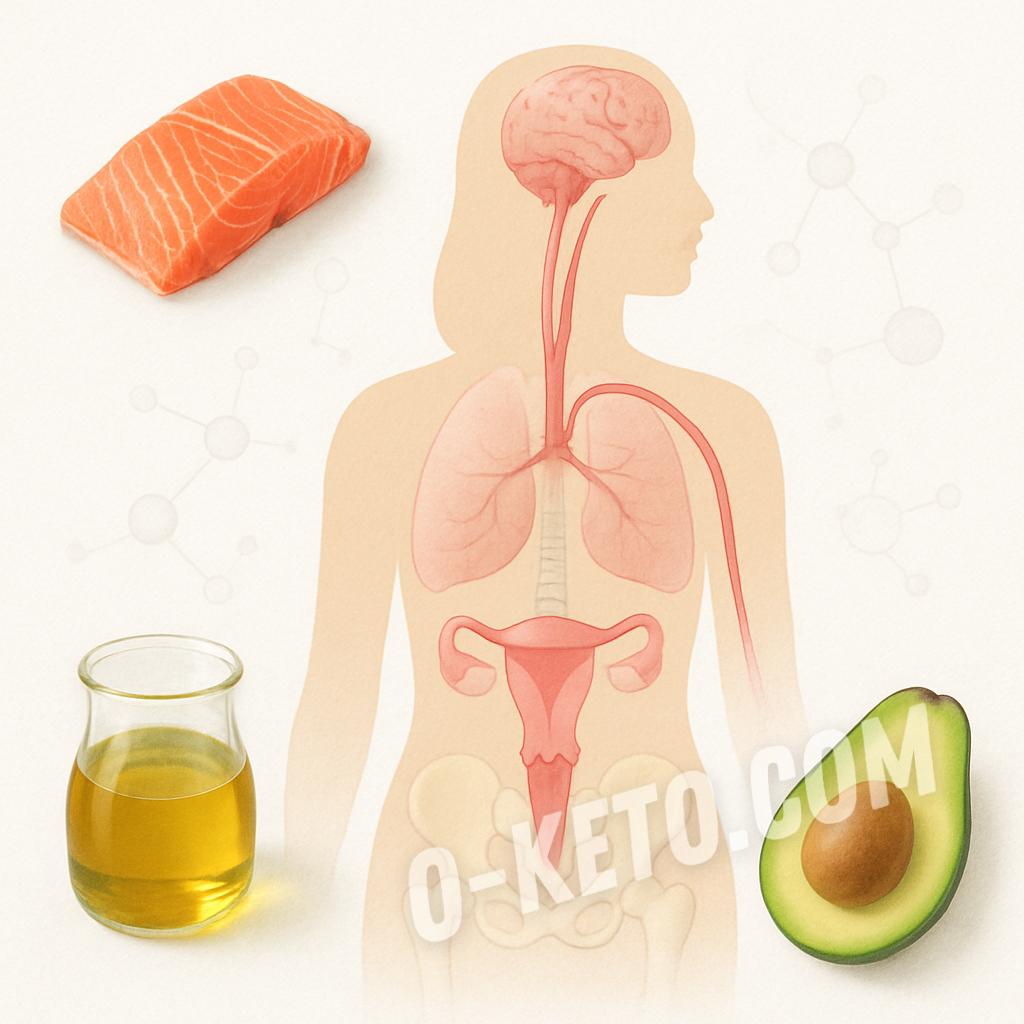
Estrogen is not one hormone but a group of sex hormones. The main human forms are estradiol, estrone, and estriol. Estradiol is the most active form during reproductive years, estrone becomes more prominent after menopause, and estriol is important during pregnancy. Estrogens are not exclusive to women: men also produce them, and they support bone, vascular, brain, libido, and sperm health.
Estrogens regulate the menstrual cycle, endometrial growth, follicle maturation, mucous membranes, skin, hair, vascular function, mood, sleep, temperature control, and bone density. They also influence fat distribution, insulin sensitivity, and inflammatory signaling. Changes in estrogen action can therefore appear not only as cycle changes but also as hot flashes, dryness, poor sleep, anxiety, pain, weight changes, and libido changes.
In women, estrogen levels change across the cycle. Estradiol rises during the follicular phase, peaks before ovulation, and then changes together with progesterone in the luteal phase. An estradiol test without cycle-day information is often hard to interpret. LH, FSH, progesterone, prolactin, TSH, symptoms, age, contraceptive use, and cycle regularity may all be needed to understand the hormonal picture.
Low estrogen action can be related to menopause, hypothalamic amenorrhea, energy deficiency, excessive training, low body weight, premature ovarian insufficiency, or certain medications. Possible signs include hot flashes, night sweats, vaginal dryness, lower bone density, sleep disruption, irritability, and low libido. In young women, loss of the menstrual cycle should not be treated as a normal “body economy mode.”
Excess estrogenic action also has different causes: obesity, high fat mass, insulin resistance, some tumors, external hormones, impaired liver function, or imbalance with progesterone. Symptoms may include heavy periods, breast tenderness, swelling, migraines, severe PMS, and endometrial growth. The popular phrase “estrogen dominance” is often used too broadly without testing or diagnosis.
Fat tissue matters because it contains aromatase, the enzyme that converts androgens into estrogens. After menopause, peripheral aromatization becomes an important estrogen source. Visceral fat, insulin resistance, and inflammation can therefore alter the hormonal environment. On the other hand, very low body fat and chronic calorie deficit can suppress the reproductive axis.
Estrogen matters in men as well. Estradiol that is too low can impair libido, mood, joints, and bone density, especially when aromatase is suppressed too aggressively. Estradiol that is too high in the context of obesity, alcohol, certain medications, or hypogonadism may be associated with gynecomastia, low libido, and fluid retention. Male hormone evaluation should not be reduced to testosterone alone.
Estrogen metabolism occurs through the liver and then elimination through bile and the intestine. Discussions often mention 2-, 4-, and 16-hydroxylated metabolites, but these are hard to interpret without clinical context. The basics matter more: liver function, fiber, regular bowel movements, moderate alcohol intake, body-weight control, and avoiding unsupervised hormone use.
Nutrition influences estrogen through body weight, liver function, gut function, fiber, alcohol, insulin, and inflammation. The liver metabolizes hormones, and the intestine helps eliminate hormone metabolites. Fiber and regular bowel movements support normal elimination, alcohol can increase estrogen burden, and excess sugar plus visceral fat worsens the metabolic background. This does not mean broccoli alone “detoxes estrogen,” but diet does matter.
Keto and LCHF may help with insulin resistance, PCOS, and excess weight, indirectly improving hormonal regulation in some women. But overly strict keto with energy deficiency, fear of protein, poor sleep, and excessive training can worsen the cycle. The hormonal system needs enough energy, protein, iron, zinc, iodine, selenium, vitamin D, Omega-3 fats, and recovery.
Hormone therapy, contraceptives, anti-estrogen drugs, and fertility medications should be managed by a clinician. Trying to lower estrogen with supplements, DIM, iodine, herbs, or harsh diets can be risky. In practice, estrogen should not be judged as simply good or bad. It has to be interpreted as part of a system: age, cycle, symptoms, labs, body weight, liver function, medications, reproductive plans, and bone health.
After menopause, lower estrogen is linked with more than hot flashes. Bone health, mucous membranes, the urinary and genital tract, sleep, and sometimes lipid profile can change. Menopausal hormone therapy may help some women, but the decision depends on age, time since menopause, personal risks, uterus status, breast history, thrombosis risk, and cardiovascular history. This is individualized medicine, not a universal rule.
If you have any questions about the term "Estrogen", you can ask them to AI. Please note, a low-cost OpenAI model is used. It may answer questions about disease treatment with errors!


