


Eicosapentaenoic acid (EPA, eicosapentaenoic acid)
A marine long-chain Omega-3 fatty acid closely linked with eicosanoids, resolution pathways and triglyceride metabolism. EPA comes from fatty fish, seafood, fish oil and some algae products; it should not be confused with DHA, which has a stronger structural role in the brain and retina.
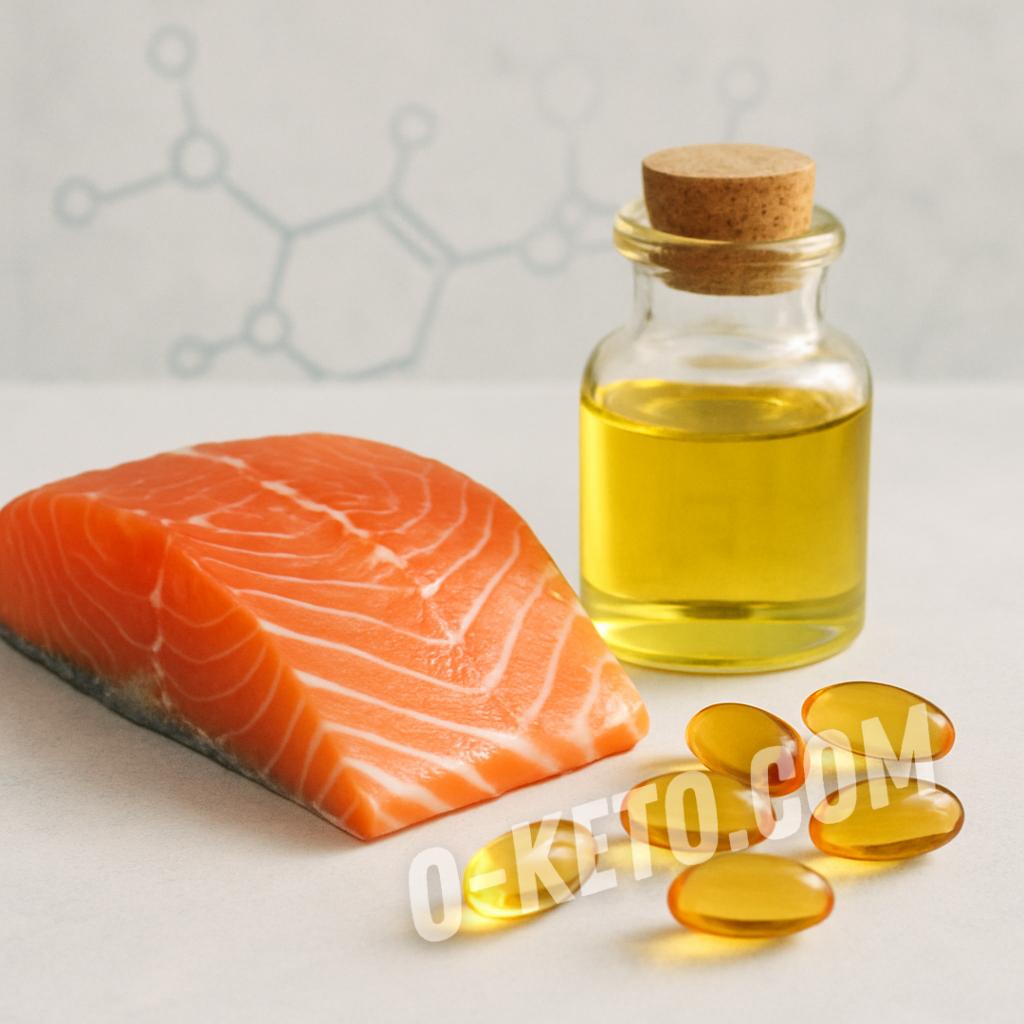
Eicosapentaenoic acid, abbreviated EPA, is a long-chain polyunsaturated Omega-3 fatty acid. It is obtained mainly from fatty marine fish, seafood, fish oil and some microalgae-derived supplements. The body can make small amounts of EPA from plant ALA, but this pathway is limited and depends on enzymes, sex, age, inflammatory status, alcohol, insulin resistance and background Omega-6 intake. In practical nutrition, EPA is therefore treated as a ready-made marine Omega-3 rather than as a guaranteed product of flax or chia conversion.
In a low-carbohydrate diet, EPA is not a “fat for ketosis”. Its role lies in lipid metabolism and inflammatory signaling. It competes with arachidonic acid for some enzyme pathways, participates in the formation of signaling molecules and is often discussed in relation to high triglycerides. A person may eat a high-fat keto diet and still have a poor long-chain Omega-3 intake if fish and seafood are largely absent.
How EPA differs from DHA
EPA and DHA often appear together on fish-oil labels, but they are not the same molecule. DHA is more strongly connected with the structure of brain and retinal membranes, while EPA is more often discussed through eicosanoids, resolvins, inflammatory signaling and triglyceride metabolism. Both are important, and ordinary fish usually provides them together, but supplement labels deserve a closer look. Some products emphasize EPA, others emphasize DHA, and many provide a mixed profile.
This matters when someone buys “Omega-3” capsules and looks only at the total fish-oil weight. A 1,000 mg capsule may contain 180 mg EPA and 120 mg DHA, or it may be a concentrate with much more. The EPA and DHA lines should be read separately. When the goal is triglyceride reduction, clinicians may use EPA/DHA doses far above ordinary dietary maintenance. Those doses should not be improvised without medical guidance.
EPA, inflammation and eicosanoids
EPA uses some of the same enzyme systems as the Omega-6 fatty acid arachidonic acid. These fatty acids give rise to different sets of eicosanoids that influence vascular reactions, immune responses, platelets and inflammatory processes. EPA should not be described as a simple anti-inflammatory switch. It changes substrate availability and signaling balance, while the final effect depends on body state, dose, diet, medication and underlying disease.
In real life, inflammatory tone is not fixed by a single capsule. Sleep, body fat, insulin resistance, alcohol, smoking, chronic infections, gut status, inadequate protein and excess refined oils can all maintain inflammation regardless of EPA intake. Still, when a diet is low in fish and high in Omega-6 from industrial oils, adding EPA through fish or good-quality fish oil can be one sensible part of a broader correction.
Triglycerides and cardiovascular context
EPA is often discussed when triglycerides are elevated. In low-carbohydrate nutrition, triglycerides often fall because sugar, fructose, alcohol and total carbohydrate load decrease. This does not happen for everyone. Liver status, visceral fat, hypothyroidism, medications, energy excess, frequent snacking and fat quality all influence the number. EPA may be part of a strategy, but it does not replace finding the reason for high triglycerides.
Very high triglycerides, especially when pancreatitis risk is present, are a medical issue rather than a supplement experiment. A clinician may use prescription-strength Omega-3 products, statins, fibrates or other measures depending on the situation. Fish in the diet and a low-dose over-the-counter capsule are not the same thing as a therapeutic preparation with a controlled dose.
Food and supplement sources
The best food sources of EPA include sardines, anchovies, herring, mackerel, salmon, trout, seafood and fish oil. In a low-carb menu they are convenient because they provide protein, iodine, selenium, vitamin D in some species and almost no carbohydrate. Small oily fish are often more practical than large predatory fish because they tend to have lower mercury concerns and are more affordable. Canned fish in water or olive oil can be a good option if the ingredient list is clean and there are no sugary sauces.
For people who do not eat fish, algae-based products are available. They are not all identical. Some algae oils provide mostly DHA, while others contain a DHA/EPA mixture. If EPA is the goal, the label has to be checked. Freshness, dose, tolerance and quality certification also matter because oxidized oils can irritate the gut and make the product less useful.
Caution and interactions
Ordinary portions of fish are safe for most people, but concentrated EPA supplements need context. Caution is reasonable with anticoagulants, antiplatelet drugs, clotting disorders, preparation for surgery, severe liver disease, fish or seafood allergy and a tendency to gastrointestinal reactions from oils. Fishy burps, nausea, loose stools, unpleasant aftertaste and increased bleeding tendency can occur in sensitive people.
Another caveat is overall diet quality. An EPA supplement does not make fried convenience foods, cheap seed-oil mayonnaise, sugary sauces and regular alcohol harmless. It works better as part of a whole-food pattern: adequate protein, fish or seafood, well-tolerated vegetables, olive oil, decent sleep and monitoring of metabolic markers. That is more honest than hoping to “turn off inflammation” with one capsule.
Practical takeaway
EPA should be understood as a specific long-chain Omega-3 with roles in lipid metabolism and inflammatory signaling. If a person eats fatty fish regularly, a separate supplement may not be necessary. If fish is absent or the Omega-3 index is low, the source and dose of EPA/DHA can be discussed. If triglycerides are high, especially markedly high, it is better to review the blood work with a clinician rather than guess.
For keto and LCHF, EPA helps make a high-fat diet more physiologically diverse. Low carbohydrate intake alone does not guarantee a good fatty-acid profile. Fish, seafood and quality Omega-3 products cover a part of nutrition that meat, butter and cheese cannot provide, even when those foods fit well into a low-carb menu.
If you have any questions about the term "Eicosapentaenoic acid (EPA, eicosapentaenoic acid)", you can ask them to AI. Please note, a low-cost OpenAI model is used. It may answer questions about disease treatment with errors!


 1 / 4
1 / 4


 1 / 4
1 / 4 1 / 4
1 / 4
 1 / 4
1 / 4