


Genistein
A soy isoflavone with phytoestrogenic activity: it may mildly affect vascular, bone, and metabolic markers, but thyroid status, hormone-sensitive conditions, and medications matter.
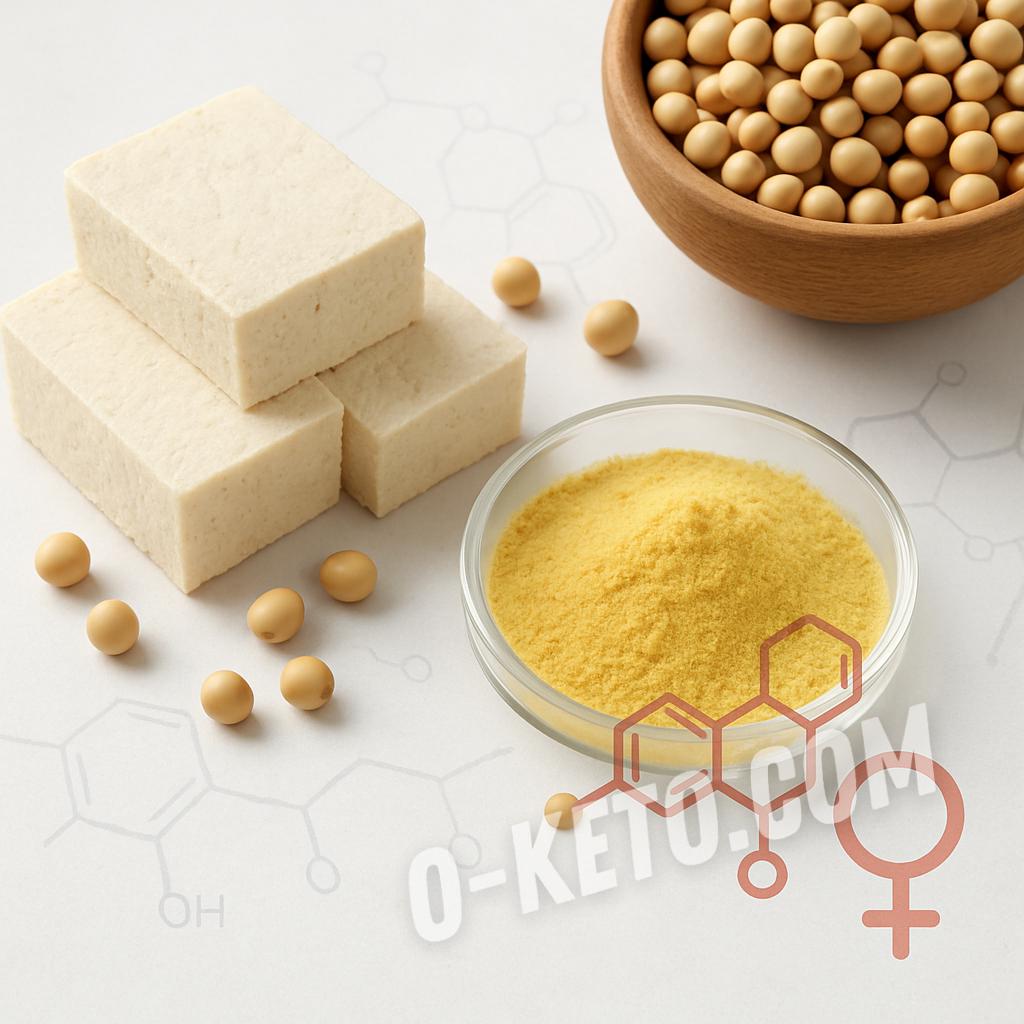
Genistein is a plant isoflavone best known from soy and soy foods. It is called a phytoestrogen because it can bind estrogen receptors, especially ER-beta, but it acts much more weakly than the body’s own estrogens and is not a direct substitute for hormone therapy. In food, genistein comes together with protein, fiber, other isoflavones, minerals, and a fermented or non-fermented food matrix. In a supplement, it may be a concentrated compound with a different dose and a different risk logic.
How genistein acts
Genistein is interesting because it can touch several systems at once: estrogen receptors, cell signaling pathways, antioxidant enzymes, inflammatory mediators, vascular function, and bone metabolism. It is therefore studied in relation to menopausal symptoms, bone density, lipids, insulin sensitivity, and risks of some hormone-sensitive conditions. The word phytoestrogen often causes either fear or inflated expectations. The real effect depends on dose, age, endogenous hormone levels, microbiota, product form, and duration of intake.
In some people, intestinal bacteria convert another soy isoflavone, daidzein, into equol, a metabolite with stronger biological activity. This influences the overall response to soy isoflavones, although genistein itself is not the same as equol. Two people may therefore respond differently to the same soy food. One may get good satiety and normal gut tolerance, while another develops bloating, discomfort, or unwanted symptoms.
Food and supplements
Soy foods differ greatly. Tofu, tempeh, edamame, natto, unsweetened soy yogurt, and soy protein isolate have different carbohydrate content, fermentation status, salt levels, and tolerability. On a low-carbohydrate diet, the specific product matters more than the word soy in general. Unsweetened tofu or tempeh may fit the diet, while a sweet soy dessert or sugar-containing soy drink does not. Fermented products are sometimes easier to tolerate, but this is individual.
Concentrated isoflavone supplements should not be treated as ordinary food. They may provide doses similar to those studied in clinical trials but without monitoring of thyroid status, medications, and baseline hormonal context. A history of breast or endometrial cancer, treatment with tamoxifen or aromatase inhibitors, infertility, pregnancy, lactation, and significant menstrual disturbances are reasons to discuss genistein-containing supplements with a clinician.
Thyroid and minerals
Soy isoflavones may interfere with thyroid function when iodine intake is low or hypothyroidism already exists, and soy foods can affect absorption of levothyroxine. This does not mean soy is forbidden for everyone with thyroid disease. If a person takes levothyroxine, soy foods and supplements are better separated from the tablet, and TSH should be checked after major diet changes. Iodine, selenium, total protein, and gut health also matter.
Like other plant foods, soy contains compounds that can influence mineral absorption. In a varied diet this is usually not a problem. With anemia, zinc deficiency, a very monotonous vegan diet, or gastrointestinal disease, context becomes more important. Genistein should not be the only argument for large amounts of soy if protein, iron, B12, iodine, and omega-3 are not covered.
In men, moderate intake of soy foods usually does not equal a fall in testosterone, but concentrated supplements and very large amounts of isoflavones should not be used as a sports experiment without a clear reason. In postmenopausal women, genistein may be discussed in relation to hot flashes and bone tissue, but the effect is usually mild and does not replace assessment, vitamin D, protein, resistance training, or osteoporosis risk evaluation. Endometriosis, fibroids, and hormone-sensitive symptoms require attention to individual response.
Practical place in the diet
In LCHF, genistein is best considered as part of soy foods when they are well tolerated and do not displace more nutrient-dense protein sources. For someone eating meat, fish, eggs, and dairy, soy is not required. For someone following a plant-based low-carbohydrate diet, soy may be an important protein source, but amino acids, B12, iron, zinc, omega-3, iodine, and total energy need attention. Genistein itself does not make a food automatically useful or harmful. The decision depends on form, dose, goal, and medical context.
If you have any questions about the term "Genistein", you can ask them to AI. Please note, a low-cost OpenAI model is used. It may answer questions about disease treatment with errors!


 1 / 4
1 / 4 1 / 4
1 / 4 1 / 4
1 / 4


 1 / 4
1 / 4 1 / 4
1 / 4