


Hydroxytyrosol
A key phenol of extra virgin olive oil and olives; it is linked with protection of lipids from oxidation, but works best as part of a high-quality diet rather than as a single supplement.
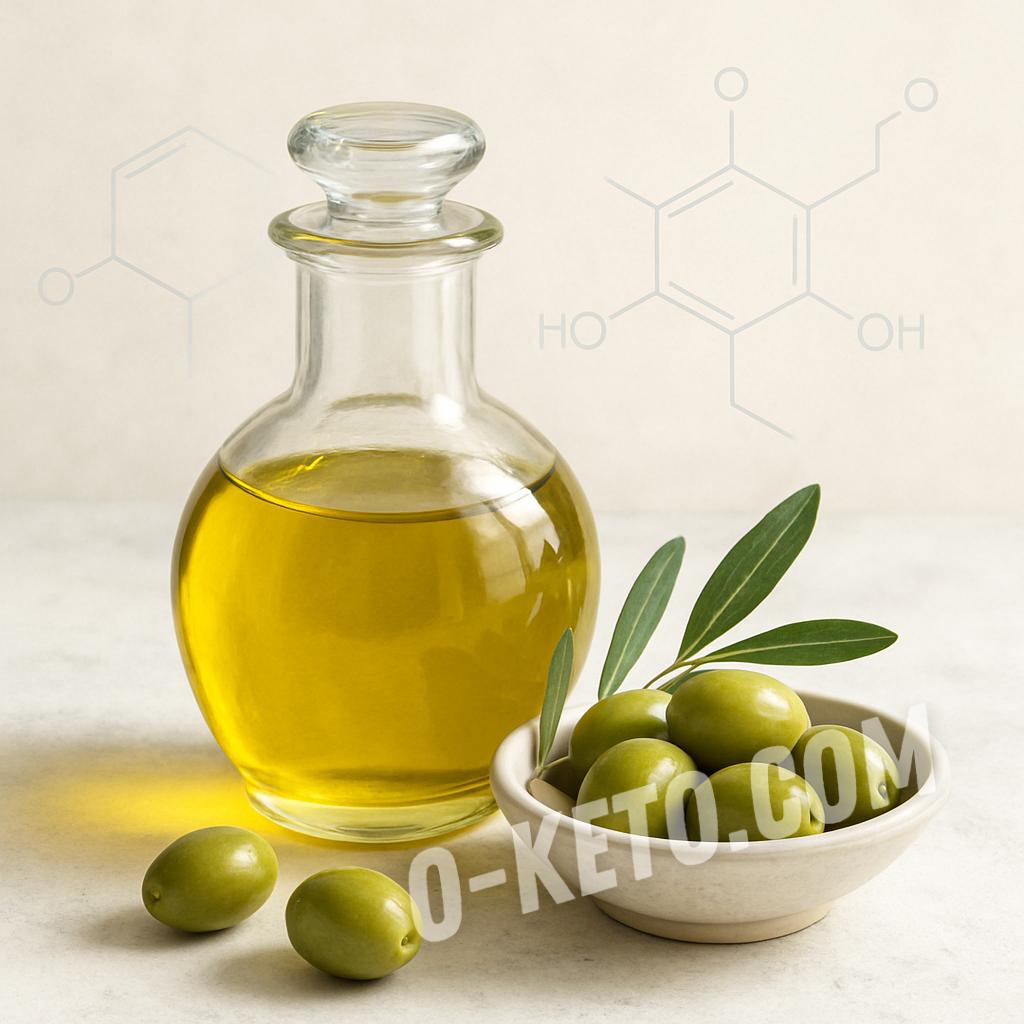
Hydroxytyrosol is a phenolic compound characteristic of olives, extra virgin olive oil, and olive-derived products. It is considered one of the most active olive oil polyphenols, especially in relation to protecting lipids from oxidative damage. But hydroxytyrosol should not be turned into a magical molecule. In real food it comes together with fatty acids, tyrosol, oleuropein, tocopherols, squalene, and other compounds.
Where it is found
The main source is high-quality extra virgin olive oil, especially fresh oil with bitter and peppery notes. Hydroxytyrosol is also connected with olives, olive paste, olive leaves, and hydrolysis products of oleuropein. The amount depends on olive variety, ripeness, harvest time, pressing technology, storage, and age of the oil. Refined oil is usually poorer in phenolic compounds even when the fatty acid profile remains similar.
Taste can suggest a high-polyphenol oil: bitterness and throat pungency often come from phenolic substances. But taste does not replace laboratory analysis. Oil may be aromatic but already oxidized because of light, heat, or long storage. A dark bottle, freshness, a tight cap, no rancid smell, and proper storage conditions all matter.
Olive leaf and olive oil are not the same either. Leaves contain more oleuropein and a different phenol profile, while oil provides a fatty matrix, flavor, freshness, and pairing with food. A leaf extract may be more concentrated, but that does not automatically make it more useful or safer. For nutrition, steady use of good oil in meals is usually more important than trying to replace it with a strong extract.
Why it is studied
Hydroxytyrosol is studied for antioxidant properties, effects on LDL oxidation, inflammatory signaling, endothelium, and lipid metabolism. In Europe, olive oil polyphenols have an approved claim for protecting blood lipids from oxidative stress when the product contains enough of these polyphenols. This does not mean that oil treats atherosclerosis, but it shows that oil quality matters beyond calories.
LDL oxidation is only one part of vascular risk. ApoB, blood pressure, smoking, diabetes, sleep, inflammation, movement, body weight, genetics, thyroid function, and the whole diet all influence vascular health. Hydroxytyrosol can be part of a protective food environment, but it does not replace diagnosis or treatment. For a high-risk person, relying on one polyphenol instead of controlling risk factors would be a mistake.
Keto, LCHF, and Mediterranean logic
For keto and LCHF, olive oil containing hydroxytyrosol is convenient: it provides fat, flavor, and polyphenols without sugar. It pairs well with fish, eggs, meat, salads, greens, vegetables, and sauces. This helps make a low-carbohydrate diet less centered on meat and cheese and richer in plant compounds. For long-term eating, fat quality matters as much as carbohydrate quantity.
Even good oil is still energy-dense. If a person adds large amounts of oil beyond satiety, weight and triglycerides may not improve. Hydroxytyrosol does not make overeating invisible. The best use is to improve meals, replace lower-quality fats, and make vegetables taste better, not to treat oil as a separate spoon-by-spoon supplement.
Marketing often highlights high-polyphenol oil, but this should not turn into uncontrolled use. A very bitter and peppery oil may be valuable, but it is not pleasant for everyone and not always well tolerated. Some people do better with a moderately polyphenol-rich oil that they actually use daily with vegetables and protein. Regularity, freshness, and tolerance matter more than an expensive bottle that remains open for months.
Supplements and safety
Hydroxytyrosol supplements and olive leaf extracts can differ greatly. Some contain more hydroxytyrosol, others more oleuropein or other phenols. Concentrated extracts are not the same as ordinary olive oil: they provide higher doses, a different context, and more potential for interactions. During pregnancy, lactation, antihypertensive drugs, glucose-lowering drugs, anticoagulants, or multiple drug therapy, supplements should be discussed with a clinician.
In practice, hydroxytyrosol is best seen as an argument for high-quality olive oil and olives. If the oil is fresh, stored well, and fits the diet, it provides more than just fat. The foundation of health is still broader: protein, fish and Omega-3 fats, vegetables, greens, glucose control, blood pressure, sleep, movement, and not smoking. Polyphenols strengthen a good system but do not replace it.
Oil is best chosen by practical signs: extra virgin quality, recent date, dark container, normal aroma, no rancidity, suitable flavor, and a reliable seller. At home it should be kept away from the stove and light. If the diet is full of sugar, alcohol, fast food, and poor sleep, even the most polyphenol-rich oil will not cancel the damage. If the diet is already well built, hydroxytyrosol becomes a pleasant quality enhancer rather than a rescue button.
If you have any questions about the term "Hydroxytyrosol", you can ask them to AI. Please note, a low-cost OpenAI model is used. It may answer questions about disease treatment with errors!


 1 / 4
1 / 4

 1 / 4
1 / 4
 1 / 4
1 / 4 1 / 4
1 / 4


