


Hypertension
Persistently elevated arterial pressure: it should be confirmed by proper measurements, causes should be considered, and stroke, heart, kidney, and vascular risk should be reduced.




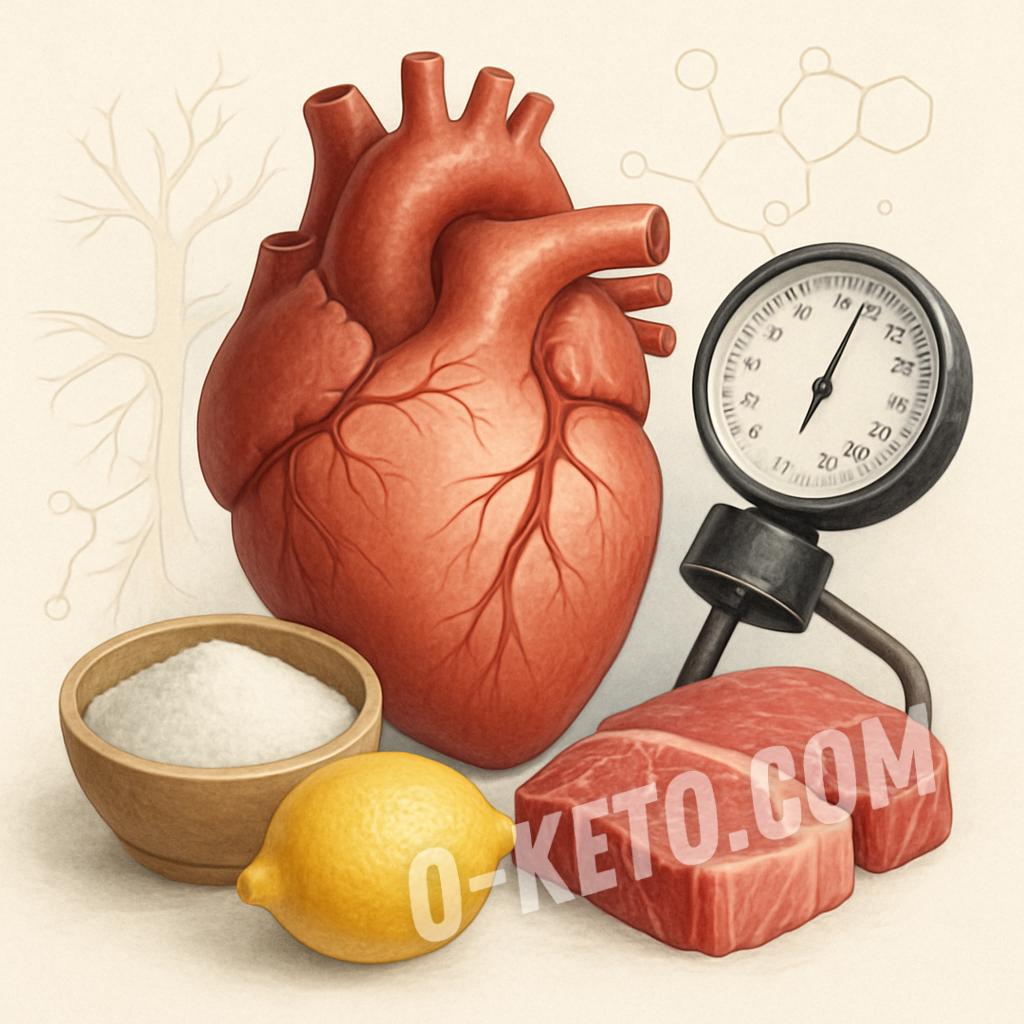
Hypertension is persistently elevated arterial blood pressure that places extra load on blood vessels, the heart, brain, kidneys, and retina. Its danger is that a person may feel normal for years while pressure is already damaging target organs. One high reading after coffee, stress, pain, exercise, or poor sleep is not automatically a diagnosis, but repeated values above the normal range require attention. Measurement technique, a home log, average values, other diseases, medications, sleep, salt, body weight, alcohol, and family risk all matter.
How to measure correctly
Blood pressure should not be judged from a random number taken in a hurry. Before measurement, the person should sit quietly for several minutes, keep feet on the floor, avoid talking, use a correctly sized cuff, and keep the arm at heart level. Two readings with an interval and an average are often useful. Home measurements in the morning and evening for several days are frequently more informative than one office reading, because some people have white-coat hypertension while others have higher pressure at home than in the clinic.
Repeated values around 130/80 mmHg and higher often deserve attention, and 140/90 and higher are especially important, but targets depend on age, diabetes, kidney disease, cardiovascular risk, and treatment tolerance. Very high pressure with chest pain, shortness of breath, neurologic symptoms, severe headache, visual disturbance, confusion, or weakness requires urgent medical care. Trying to lower such numbers at home with random tablets can be dangerous.
Why pressure rises
In most people, hypertension is multifactorial. Heredity, age, visceral fat, insulin resistance, chronic stress, low physical activity, alcohol, sodium sensitivity, low potassium intake, sleep apnea, kidney disease, thyroid and adrenal disorders, and medications can all contribute. Nonsteroidal anti-inflammatory drugs, decongestants, glucocorticoids, some antidepressants, stimulants, and hormonal drugs may raise pressure in susceptible people.
Treatment therefore cannot be reduced to one instruction to eat less salt. For one person sodium reduction matters most; for another, weight loss, sleep apnea treatment, less alcohol, movement, potassium and magnesium intake, or medication review may be more important. If hypertension begins suddenly, appears at a young age, resists treatment, or comes with low potassium, sweating, attacks of palpitations, or worsening kidney function, secondary causes should be investigated.
Nutrition, keto, and blood pressure
A low-carbohydrate diet may lower blood pressure through loss of visceral fat, improved insulin resistance, less fluid retention, and removal of ultra-processed foods. Keto has a specific nuance: in the first weeks, the body excretes more sodium and water. Some people feel weak and dizzy, while some already taking blood pressure medication may see values fall too low. If a person uses diuretics, ACE inhibitors, angiotensin receptor blockers, beta-blockers, or other medication, a sharp diet change should be accompanied by measurements and medical contact.
A blood-pressure-friendly low-carbohydrate diet should not consist only of meat, cheese, and butter. Fish, eggs, meat, greens, low-carbohydrate vegetables, avocado, olive oil, tolerated nuts, adequate protein, and sources of potassium and magnesium matter. Alcohol, poor sleep, chronic pain, and late heavy meals can worsen pressure even when carbohydrates are low. Caffeine should be assessed individually: in some people it has little effect, while in others it produces a clear rise.
Monitoring and safety
The goal is not merely a nice number but lower risk of stroke, heart attack, heart failure, kidney disease, and vascular complications. Monitoring may include a home blood pressure diary, kidney and electrolyte tests, lipids, glucose, urine albumin assessment, ECG, and sometimes ambulatory blood pressure monitoring. If diet and weight loss improve numbers, medication may sometimes be reviewed, but it should not be stopped on one’s own. Pressure that is too low, with dizziness and falls, is also dangerous. A good strategy uses regular measurements, clear targets, and gradual changes rather than a fight with one random reading.
If you have any questions about the term "Hypertension", you can ask them to AI. Please note, a low-cost OpenAI model is used. It may answer questions about disease treatment with errors!


 1 / 4
1 / 4 1 / 4
1 / 4


 1 / 4
1 / 4

 1 / 4
1 / 4