


Pituitary
The main endocrine gland under hypothalamic control: it regulates thyroid, adrenal, reproductive, growth, prolactin, and water-balance signals.
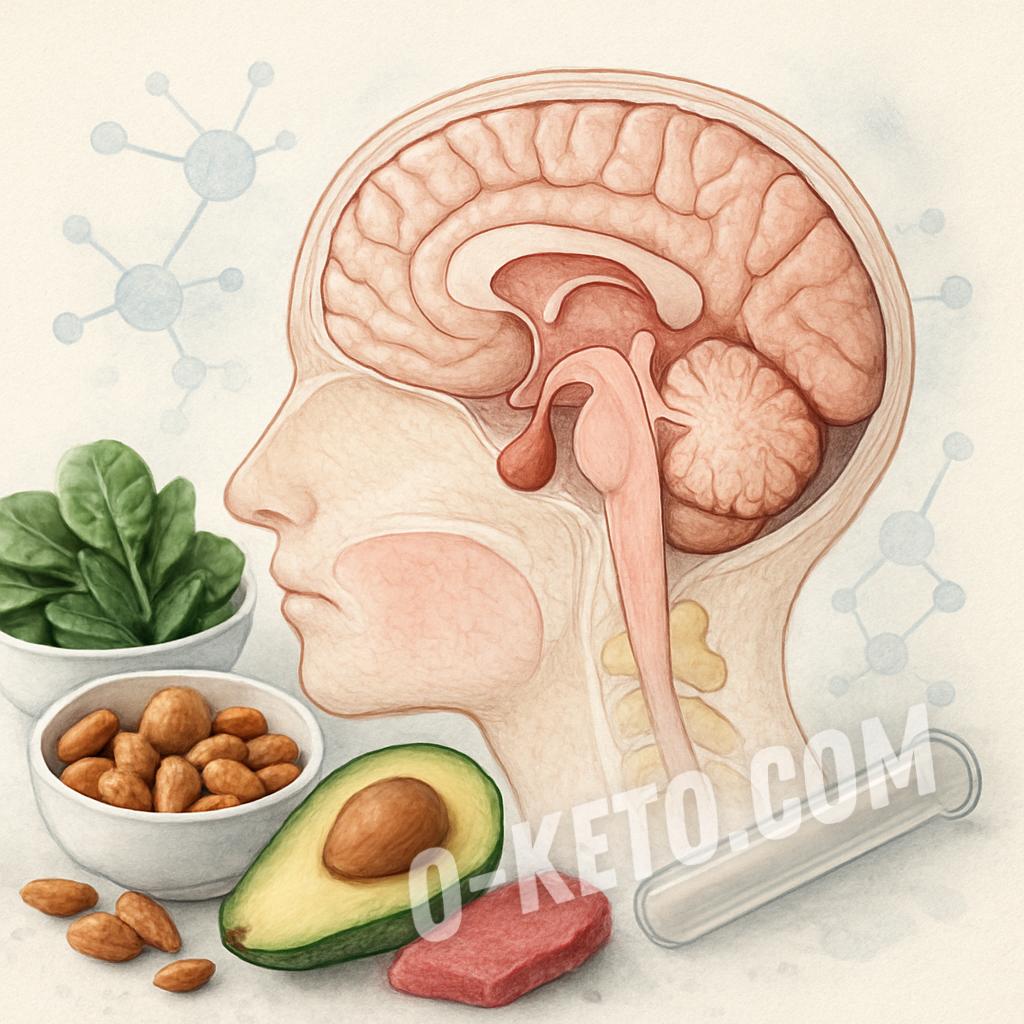
The pituitary is a small endocrine gland at the base of the brain that works under hypothalamic control and regulates several key hormonal axes. It is often called the master gland, but this does not mean it acts alone. The hypothalamus sends signals, the pituitary releases tropic hormones, and peripheral glands respond with their own hormones and feedback. Through this system, thyroid function, adrenal function, reproductive hormones, growth, lactation, and water balance are regulated.
Hormones connected with the pituitary
The anterior pituitary releases TSH for the thyroid gland, ACTH for the adrenal cortex, LH and FSH for the ovaries and testes, prolactin, growth hormone, and other regulatory signals. The posterior pituitary releases vasopressin and oxytocin into the blood; these are produced in the hypothalamus and transported along neural pathways. The pituitary is therefore both an endocrine organ and part of the neuroendocrine system. A problem at the hypothalamus, pituitary, or peripheral gland level may produce similar symptoms but different test patterns.
The thyroid axis is a simple example. In primary hypothyroidism, the problem is in the thyroid gland and TSH usually rises. In central hypothyroidism, the problem may be in the pituitary or hypothalamus, and TSH does not rise appropriately. Looking at one marker alone can miss important context. The same logic applies to cortisol, sex hormones, prolactin, and growth hormone.
When a problem is suspected
Symptoms of pituitary disorders depend on which hormone is too high or too low. Fatigue, cold intolerance, weight loss or gain, low blood pressure, reduced libido, infertility, menstrual disturbance, breast discharge outside lactation, headaches, visual changes, unusual growth of hands and feet, intense thirst, and frequent urination may occur. These signs are not specific, but certain combinations may point toward the need to assess the pituitary.
Pituitary tumors are often adenomas. Some secrete hormones such as prolactin, ACTH, or growth hormone, while others press on tissue and reduce gland function. Larger lesions can compress the optic chiasm and cause visual field loss. A sudden severe headache, abrupt visual disturbance, vomiting, weakness, and low blood pressure may suggest pituitary apoplexy and require urgent care.
Nutrition, keto, and hormonal axes
A low-carbohydrate diet does not treat pituitary tumors or structural pituitary disease. Energy intake, protein, sleep, stress, body weight, and training do influence the hormonal axes controlled by the hypothalamus and pituitary. Prolonged calorie deficit, very low body weight, overtraining, and insufficient fat intake can reduce reproductive signals. In women this may show as cycle disturbance, and in men as reduced libido and poorer recovery. In such cases, the problem is not lack of willpower but a resource-deficit signal.
On keto, adaptation should not be confused with disease, but persistent symptoms should not be dismissed as diet either. Weakness, low blood pressure, loss of menstrual cycle, marked hair shedding, cold intolerance, constant thirst, and frequent urination require assessment if they persist. Sometimes the cause is electrolytes and calories; sometimes it is thyroid, adrenal, pituitary, or medication-related.
Prolactin is a common example of interpretation error. It can rise because of a pituitary adenoma, but also because of stress, poor sleep, pain, sex, exercise, nipple stimulation, pregnancy, lactation, hypothyroidism, and medications. A single high prolactin result is usually repeated under calm conditions, sometimes with macroprolactin assessment. Treating a number without understanding the cause is wrong.
Another important topic is deficiency of several hormones at once. If pituitary tissue is damaged, more than one axis may suffer: thyroid, adrenal, reproductive, and growth-related. Missing cortisol deficiency is especially dangerous. When a pituitary problem is suspected, clinicians often assess axes in a specific order rather than ordering one random hormone.
How it is checked
Testing depends on the complaint. TSH and free T4, morning cortisol, ACTH, prolactin, LH, FSH, estradiol or testosterone, IGF-1, sodium, osmolality, urine testing, and pituitary MRI may be needed. Timing and context matter: medications, stress, pregnancy, lactation, menstrual cycle phase, sleep, and acute illness can all change results. The hormone system is context-sensitive, so results are best read by axis rather than by one isolated number.
If you have any questions about the term "Pituitary", you can ask them to AI. Please note, a low-cost OpenAI model is used. It may answer questions about disease treatment with errors!


 1 / 4
1 / 4 1 / 4
1 / 4 1 / 4
1 / 4


 1 / 4
1 / 4 1 / 4
1 / 4