


Hypoglycemia
Blood glucose low enough to deprive the brain and nervous system of readily available fuel; especially dangerous in people using insulin or glucose-lowering medication.




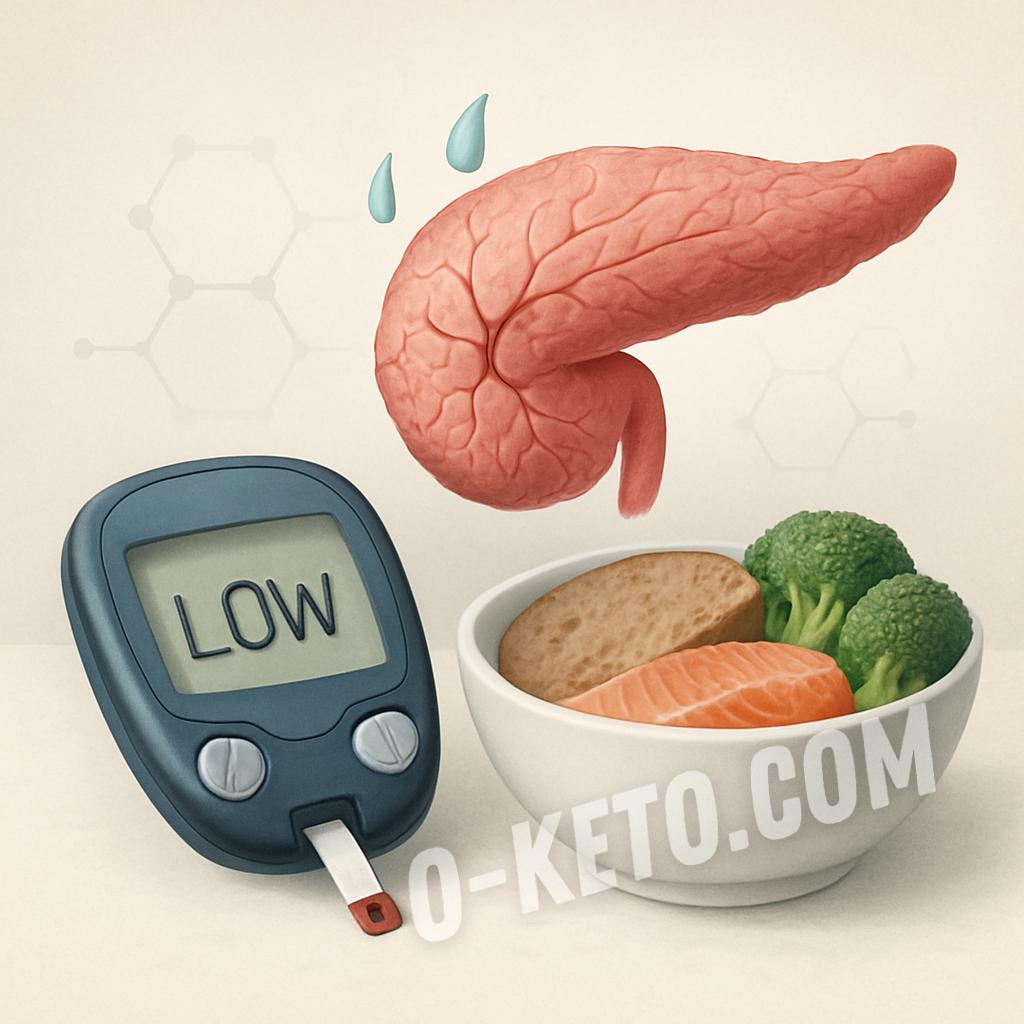
Hypoglycemia is a fall in blood glucose to a level where the body, especially the brain and nervous system, lacks readily available fuel. It is discussed most often in diabetes, when a person uses insulin or medications that stimulate insulin release. Similar sensations can also occur without true hypoglycemia: during anxiety, panic attacks, sudden blood pressure drops, sleep deprivation, caffeine use, dehydration, and reactive swings after sugary meals. Feelings alone are therefore not enough; glucose should be measured during symptoms when possible.
How it appears
Early symptoms come from adrenaline release and the body’s attempt to raise glucose: shaking, sweating, palpitations, hunger, anxiety, weakness, and irritability. If glucose falls further, neuroglycopenic signs appear: confusion, drowsiness, speech problems, clumsiness, double vision, unusual behavior, seizures, and loss of consciousness. In people with long-standing diabetes, warning symptoms may become weaker, and severe hypoglycemia can develop with little notice. This impaired awareness requires treatment review.
A level below 3.9 mmol/L is often used as the point where a person with diabetes should take action, while below 3.0 mmol/L is considered clinically significant hypoglycemia. Individual context still matters. A person with chronically high glucose may feel hypo symptoms when glucose falls rapidly into the normal range, even though the number is not actually low. This is uncomfortable, but treating it with large amounts of sugar is usually the wrong response.
Causes
In diabetes, common causes include too much insulin, a missed meal, fewer carbohydrates than expected, physical activity, alcohol, weight loss without dose adjustment, illness, carbohydrate-counting errors, and changes in kidney function. On a low-carbohydrate diet, the risk is especially important if a person continues previous insulin or sulfonylurea doses. Reducing carbohydrates may be useful for diabetes control, but medication must be adjusted to the new diet.
In people without diabetes, true hypoglycemia is less common. Possible causes include reactive hypoglycemia after meals, consequences of stomach surgery, rare tumors, severe liver disease, adrenal insufficiency, sepsis, alcohol on an empty stomach, and some medications. When symptoms repeat, the key is to confirm the triad: symptoms are present, low glucose is measured, and symptoms resolve when glucose rises. Without this triad, it is easy to treat the wrong problem.
What to do during an episode
A person with diabetes is usually advised to keep fast carbohydrates available: glucose tablets, juice, sugar, or another clear source. Fatty foods such as chocolate act more slowly because fat delays absorption. After correction, glucose is checked again, and if needed, food with protein and a slower carbohydrate is added according to the clinician’s plan. If consciousness is lost, liquid should not be poured into the mouth; prescribed glucagon and emergency help are needed.
Keto does not cancel this rule. If a person using insulin has true hypoglycemia, it should be treated safely rather than endured for the sake of ketosis. After the episode, the cause should be reviewed: dose, food, exercise, alcohol, illness, sleep, new body weight, kidney function, and insulin timing. Repeated hypoglycemia is a sign of overly aggressive therapy or a poorly matched routine.
Night episodes are especially tricky. A person may wake sweaty, after a nightmare, with a headache or exhaustion, or may not wake at all. If CGM shows overnight drops or morning symptoms are suspicious, evening insulin dose, alcohol, late training, dinner composition, kidney function, and basal regimen should be reviewed. Repeated nocturnal hypoglycemia increases the risk of losing warning symptoms.
Prevention
Prevention is built on predictability. A person needs to know medication action, have a plan for exercise, illness, and alcohol, avoid skipping meals without understanding doses, carry fast carbohydrates, and teach close contacts what to do. CGM can warn about falling glucose, but sensors lag during rapid changes, so symptoms and finger-stick confirmation still matter. If hypoglycemia repeats at night, before driving, or during physical work, the treatment plan should be reviewed with a clinician. Safety matters more than attractive low numbers.
If you have any questions about the term "Hypoglycemia", you can ask them to AI. Please note, a low-cost OpenAI model is used. It may answer questions about disease treatment with errors!


 1 / 4
1 / 4

 1 / 4
1 / 4 1 / 4
1 / 4


 1 / 4
1 / 4 1 / 4
1 / 4