


Hypothalamus
A brain region linking the nervous system with hormones, appetite, temperature, sleep, stress, and water-salt balance; its work cannot be reduced to willpower or one supplement.
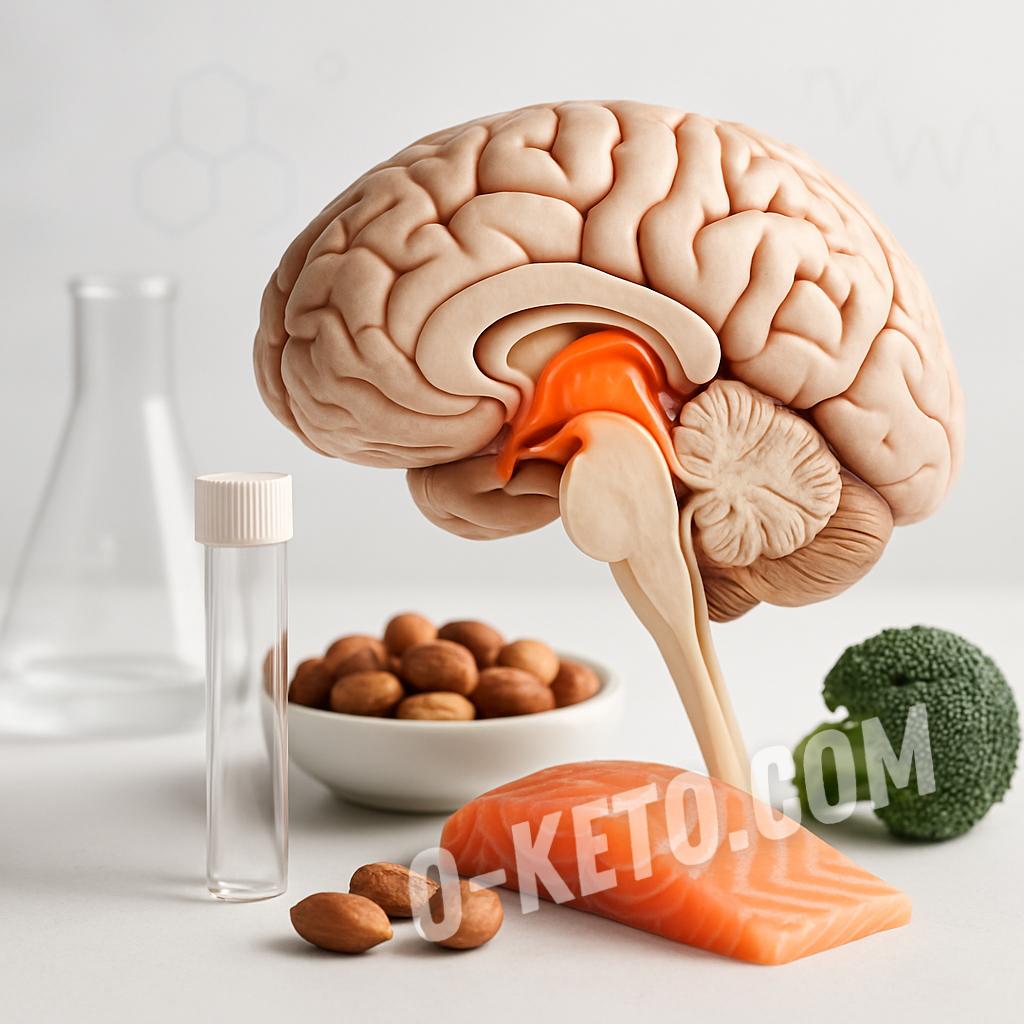
The hypothalamus is a small but crucial brain region that connects the nervous system, endocrine regulation, and automatic body responses. It participates in appetite, satiety, temperature, thirst, sleep, circadian rhythms, sexual behavior, stress responses, water-salt balance, and pituitary function. It should not be understood simply as a hunger center or hormone center. It is a hub that constantly compares signals from blood, the gut, fat tissue, sensory organs, the immune system, and higher brain regions.
What it regulates
Through the hypothalamus, the brain receives information about energy stores, temperature, blood osmolality, light exposure, inflammation, and emotional state. Leptin from fat tissue, insulin, ghrelin, glucose, amino acids, fatty acids, and gut signals help it estimate whether energy is sufficient and when food is needed. Appetite is not controlled by one molecule. Poor sleep, stress, ultra-processed food, alcohol, chronic calorie deficit, and inflammation can shift these signals so that normal satiety becomes harder to feel.
The hypothalamus also regulates temperature and thirst. During infection it can raise the body’s temperature set point and produce fever. During dehydration and changes in sodium concentration, it participates in thirst and vasopressin release. On a low-carbohydrate diet this has practical meaning. In the first weeks, more water and sodium may be lost, so weakness, headache, and irritability sometimes reflect water-salt adaptation rather than the absence of carbohydrate itself.
Connection with the pituitary
The hypothalamus controls the pituitary through releasing and inhibiting hormones and through neural pathways to the posterior pituitary. This creates axes such as hypothalamus-pituitary-thyroid, hypothalamus-pituitary-adrenal, and hypothalamus-pituitary-gonadal. Through them, TSH, ACTH, cortisol, prolactin, LH, FSH, sex hormones, and many adaptations to stress, fasting, illness, and reproductive state are regulated. A single hormone test without understanding the axis often gives an incomplete picture.
For example, during prolonged energy deficit, very low body weight, or overtraining, the hypothalamus may reduce reproductive signaling. In women this can show as cycle disturbance or amenorrhea, and in men as reduced libido and poorer recovery. This is not a failure of willpower but a protective response to low resources. It is not corrected by stimulants, but by restoring energy intake, protein, sleep, fats, micronutrients, and reducing overload.
Keto, fasting, and energy signals
Ketogenic and low-carbohydrate eating can change appetite through glucose stability, ketone bodies, protein, fats, and fewer food triggers. In some people this improves satiety and reduces the drive to snack. But if the diet becomes too strict, hypothalamic signals may respond with stronger hunger, coldness, sleep disturbance, reduced libido, irritability, and lower spontaneous activity. These symptoms should not be romanticized as discipline.
Fasting is also perceived by the hypothalamus not only as absence of food but as a stress signal. Short eating windows do not suit everyone. In diabetes treated with medication, pregnancy, lactation, eating disorders, low body weight, adolescence, intensive training, and cycle disturbances, long fasts can be harmful. A low-carbohydrate diet should support the body rather than constantly convince the hypothalamus that resources are scarce.
Sleep is one of the most visible everyday levers of hypothalamic regulation. Late bright light, night work, irregular schedules, and chronic sleep restriction disturb signals for hunger, cortisol, temperature, and reproductive hormones. During weight plateaus, sweet cravings, night hunger, and cycle disruption, restoring sleep rhythm may be more important than cutting the diet further.
In women, the hypothalamus is especially sensitive to the combination of energy deficit, psychological stress, and intense training. If the menstrual cycle disappears during weight loss or sport, this is not a cosmetic problem. It is a signal that the brain is temporarily reducing reproductive function to conserve resources. The longer this is ignored, the higher the risk for bone tissue, recovery, and mental health.
When medical evaluation is needed
Hypothalamic damage can occur with tumors, trauma, surgery, inflammatory disease, rare genetic syndromes, and some infections. Marked disturbances of thirst, temperature, sleep, rapid unexplained weight change, severe headaches, visual problems, missing periods without a clear reason, signs of diabetes insipidus, sudden sleepiness, or behavioral change require attention. In such cases, appetite supplements are not the answer. Medical assessment, hormone testing, and sometimes MRI are needed.
If you have any questions about the term "Hypothalamus", you can ask them to AI. Please note, a low-cost OpenAI model is used. It may answer questions about disease treatment with errors!


 1 / 4
1 / 4 1 / 4
1 / 4 1 / 4
1 / 4


