


Glucose meter
A home glucose meter shows how blood glucose responds to food, sleep, stress, exercise, illness and medication, but the number is only as good as the measuring technique and test strips. It is most useful when interpreted with symptoms, meal records and laboratory markers rather than as a diagnosis by itself.
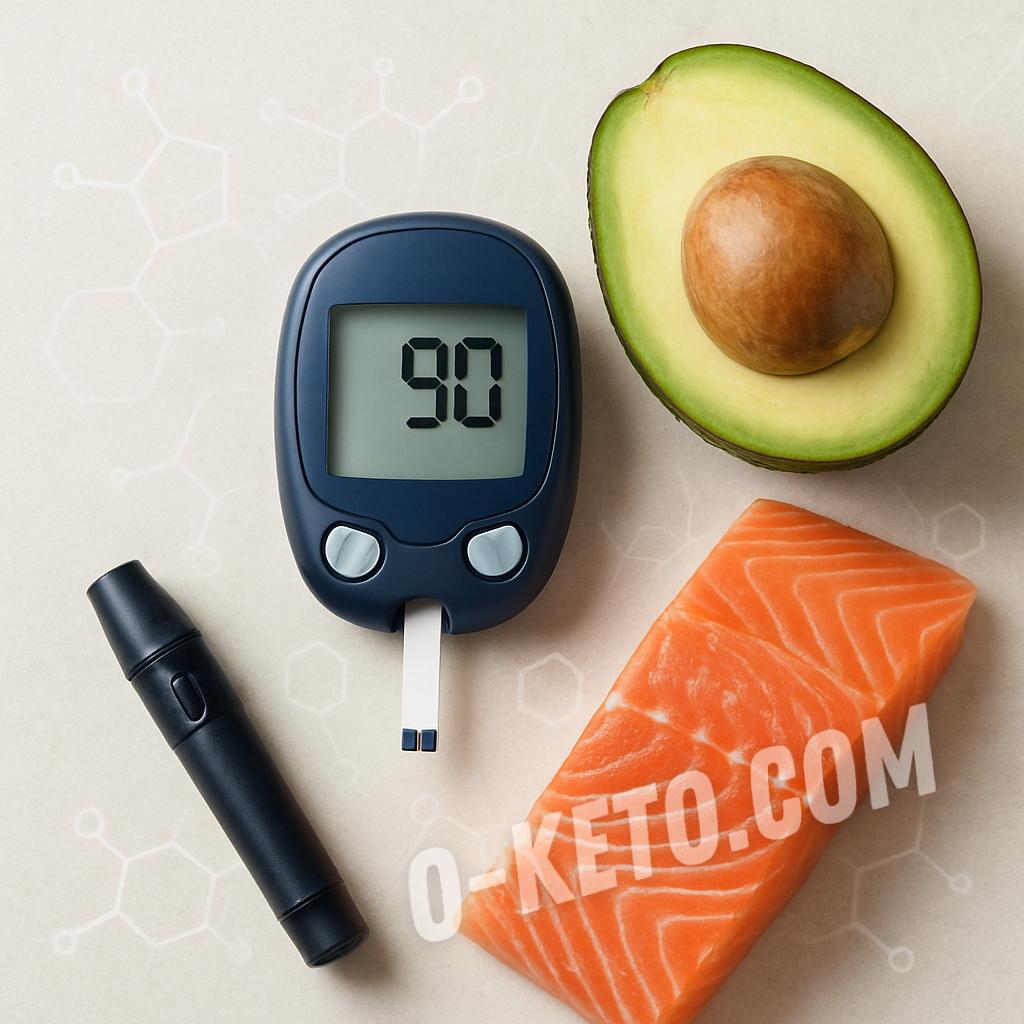
A glucose meter is a small device that measures glucose in a drop of capillary blood, usually from a fingertip. It is essential for many people with diabetes, but it can also be useful for people who follow a low-carbohydrate diet and want to see their individual response to meals, late dinners, sleep loss, exercise or stress. The value is not in chasing a perfect single number; it is in observing patterns that repeat under real-life conditions.
One fasting glucose result from a laboratory can miss a lot of daily variation. Morning glucose may rise because of the dawn phenomenon, a hard workout can temporarily raise glucose through stress hormones, and a meal that looks acceptable on paper may keep glucose elevated for longer than expected. A meter helps connect the number to context: what was eaten, how much was eaten, when it was eaten, how the person slept, and whether the body was under physical or emotional stress.
How the measurement works
Most modern meters use enzyme-based test strips. A small blood sample enters the strip, glucose takes part in a chemical reaction, and the device converts the resulting electrical signal into a glucose value. Different meters and strips use different enzyme systems, so they may vary in how they respond to temperature, humidity, oxygen, hematocrit and interfering substances. This is one reason two devices do not always give exactly the same result.
For everyday use, consistency matters more than comparing several meters at once. Use the same reliable device, store strips in their closed container, check expiration dates, and measure in a repeatable way. Hands should be clean and dry because fruit juice, sweet residue, lotions or water on the skin can distort the result. The finger should not be squeezed aggressively, because this can dilute the sample with tissue fluid and make an odd reading more likely.
When it is especially useful
A meter can turn vague dietary assumptions into practical information. One person may tolerate a small portion of berries after a protein-rich meal, while another may see a higher and longer glucose response from the same food. In suspected insulin resistance, paired readings before a meal and about two hours after it can be informative. If glucose remains clearly above the starting value after two hours on repeated tests, it may be worth reviewing the portion size, starch content, meal timing, sleep and activity.
For anyone using insulin or glucose-lowering medication, a glucose meter is also a safety tool. On a low-carbohydrate diet, medication needs can change, and hypoglycemia becomes a real concern if treatment is not adjusted with a clinician. Symptoms such as shaking, sweating, sudden weakness, confusion, heart palpitations or intense hunger should not be guessed at. They should be checked and handled according to a plan that has already been discussed with a medical professional.
What can distort the result
Readings can be affected by technique, strip storage, temperature, expired strips, anemia, dehydration, severe edema, very high or very low hematocrit, poor circulation in cold fingers and some medications. If the hands are cold or the finger is squeezed hard, the sample may not represent capillary blood well. If a result is surprising, does not match symptoms, or would lead to an important decision, it is wise to wash the hands again, warm the finger and repeat the test.
A meter should not become a source of constant anxiety. Glucose normally rises after eating, and the rise alone is not automatically a problem. The more useful questions are how high it rises, how long it stays elevated, whether the reaction repeats with the same meal, and whether there are symptoms. Persistently high fasting readings, frequent excessive post-meal values, thirst, frequent urination, unexplained weight loss, weakness or blurred vision need proper laboratory assessment, not endless home testing.
How to combine it with laboratory markers
A glucose meter shows a moment. Laboratory markers show a wider metabolic picture. HbA1c reflects average glycemia over several months, fructosamine covers a shorter period, fasting insulin can reveal background insulin resistance, and an oral glucose tolerance test shows the response to a standardized glucose load. Each marker has limitations, so home readings can explain why a laboratory result looks better or worse than expected.
A practical method is to choose several typical meals, measure before eating, then about one and two hours after the meal, and record sleep, stress, activity and portion details. After a few weeks, patterns become clearer. The person can see which foods fit well, which portions are too large, and when the problem is not the food itself but a late meal, illness, poor sleep or a recovery day after training. Used this way, the meter becomes a feedback tool rather than a punishment device.
If you have any questions about the term "Glucose meter", you can ask them to AI. Please note, a low-cost OpenAI model is used. It may answer questions about disease treatment with errors!


 1 / 4
1 / 4
 1 / 4
1 / 4


 1 / 4
1 / 4