


Gluconic acid
A mild organic acid formed from glucose oxidation is used in foods as an acidity regulator, chelator and technological ingredient. In nutrition, the practical meaning depends on the salt form, dose, product matrix, tolerance and the full composition of the finished product.
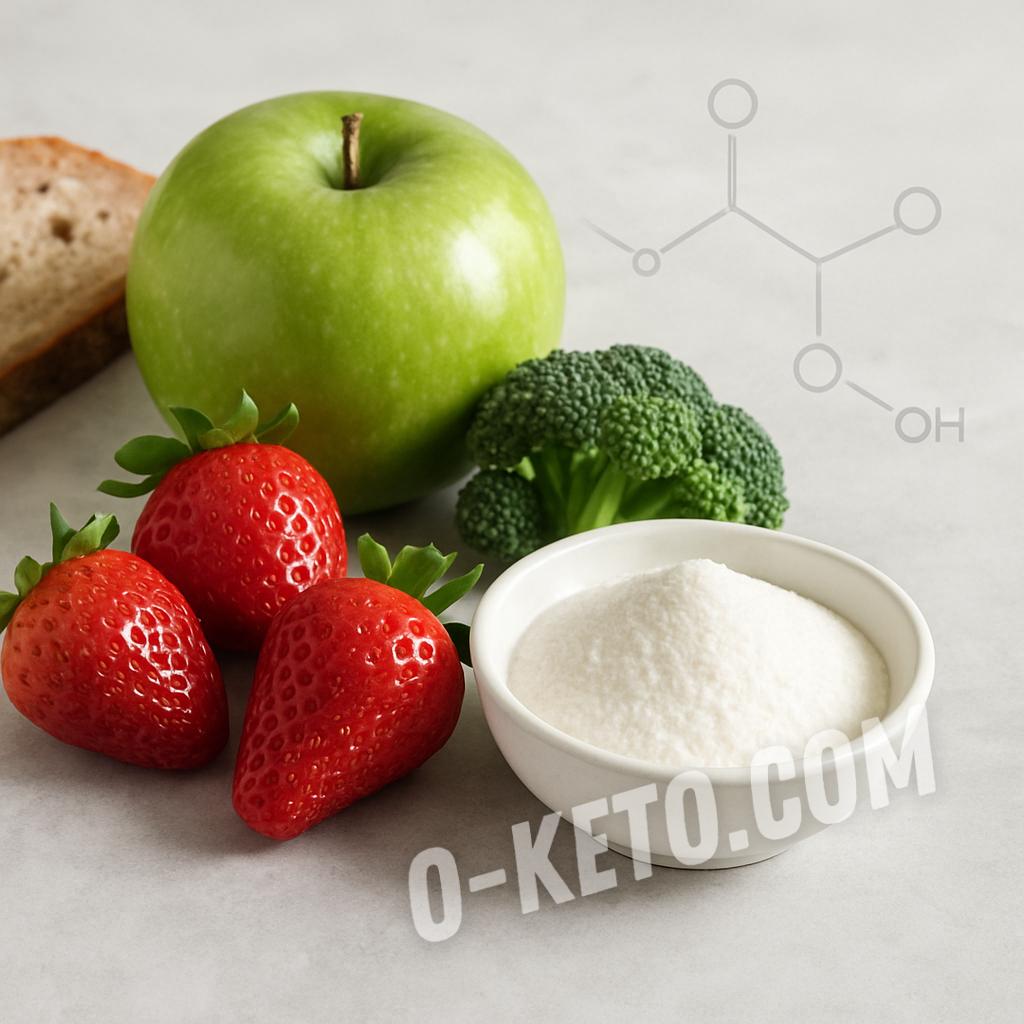
Gluconic acid is an organic acid formed by the gentle oxidation of glucose. It occurs in small amounts in honey, fruits, wine and fermented foods, and it is also used in food and pharmaceutical production as a technological ingredient and as the basis for gluconate salts. Its taste is milder than many familiar acids. It does not give the sharp impact associated with vinegar or citric acid, which makes it useful when a manufacturer needs controlled acidity without an aggressive sour taste.
On food labels, gluconic acid may appear as E574, while its salts appear separately as calcium gluconate, magnesium gluconate, iron gluconate or zinc gluconate. These substances do not all have the same purpose. The acid itself is usually connected with acidity regulation and processing stability, while mineral gluconates may be used as mineral forms in supplements, fortified foods or medicines. The key question is not just the word “gluconate,” but which mineral is attached to it and why it is present.
Technological role in foods
Gluconic acid can regulate pH, soften flavor, bind some metals and help stabilize the properties of a product. It may be used in beverages, desserts, dairy products, preserved foods, sauces, fermented foods and processing blends. In many cases the important effect is not a strong sour taste but the ability to influence the acidity of the environment. Texture, color stability, thickener behavior, microbial activity and protein structure can all depend on pH.
A related compound, glucono-delta-lactone, has a special role because it slowly converts into gluconic acid and gradually acidifies the product. It is used, for example, in tofu, some cheeses, meat products and desserts where adding a sharp acid directly would damage texture. Slow acidification helps create a smoother structure and a more predictable technological result.
How it differs from sugar
The name can be confusing because gluconic acid is chemically related to glucose. It is not the same as free glucose or sugar in a food. It is not used as a sweetener and does not provide a sweet taste. In small technological amounts, its role is linked to acidity, metal binding and stability rather than to an energy load. However, the finished product may still contain sugar, starch or syrups for other reasons, so the whole ingredient list matters.
For keto and LCHF, gluconic acid itself is usually not the main source of carbohydrate. The product matrix is much more important. A sweet drink, dessert sauce, flavored marinade or processed dessert may be unsuitable because of total carbohydrate content, not because of E574. In mineral supplements, the word gluconate also does not mean that a person is taking sugar. It is a salt form, and the practical meaning depends on the mineral dose and tolerance.
Mineral gluconates
Gluconates are often used as mineral forms because they tend to dissolve well and may be gentler than some other salts. Calcium, magnesium, zinc and iron gluconates can be found in supplements and medicines, but their usefulness depends on the specific mineral, dose, digestive tolerance, existing deficiency, medications and medical context. It is not accurate to judge all gluconates by one universal rule.
Iron, for example, requires caution in any form because excess iron can be harmful and should not be supplemented without a reason. Magnesium can loosen stools. Long-term high zinc intake can interfere with copper metabolism. Calcium should be considered together with diet, vitamin D, vitamin K2, kidney function and stone risk. The gluconate form does not remove the usual safety questions that apply to minerals.
Tolerance and practical interpretation
In food amounts, gluconic acid is generally considered a mild technological additive, but individual tolerance still matters. In sensitive people, acidic foods, fermented sauces, drinks or supplements can worsen heartburn, stomach irritation, upper digestive discomfort or reactions to histamine-rich foods. The problem may not be one acid alone; it may be the combination of acidity, spices, fermentation, salt, alcohol or a sensitive gastrointestinal lining.
In practice, gluconic acid should be read calmly on a label. In an unsweetened product, it usually signals acidity control rather than a violation of low-carbohydrate eating. In supplements, the dose of the active mineral matters more than the attractive name of the salt form. If a product causes symptoms, the body’s reaction matters; if it is well tolerated, the presence of E574 or a gluconate is usually not a reason by itself to exclude the product.
If you have any questions about the term "Gluconic acid", you can ask them to AI. Please note, a low-cost OpenAI model is used. It may answer questions about disease treatment with errors!


 1 / 4
1 / 4


 1 / 4
1 / 4 1 / 4
1 / 4
