


Glucose
The main blood sugar and a fast energy source for tissues that require glucose. In keto, the issue is not glucose as a molecule, but chronic excess, large post-meal spikes, insulin resistance and the body’s ability to maintain normal levels without constant sugar intake.


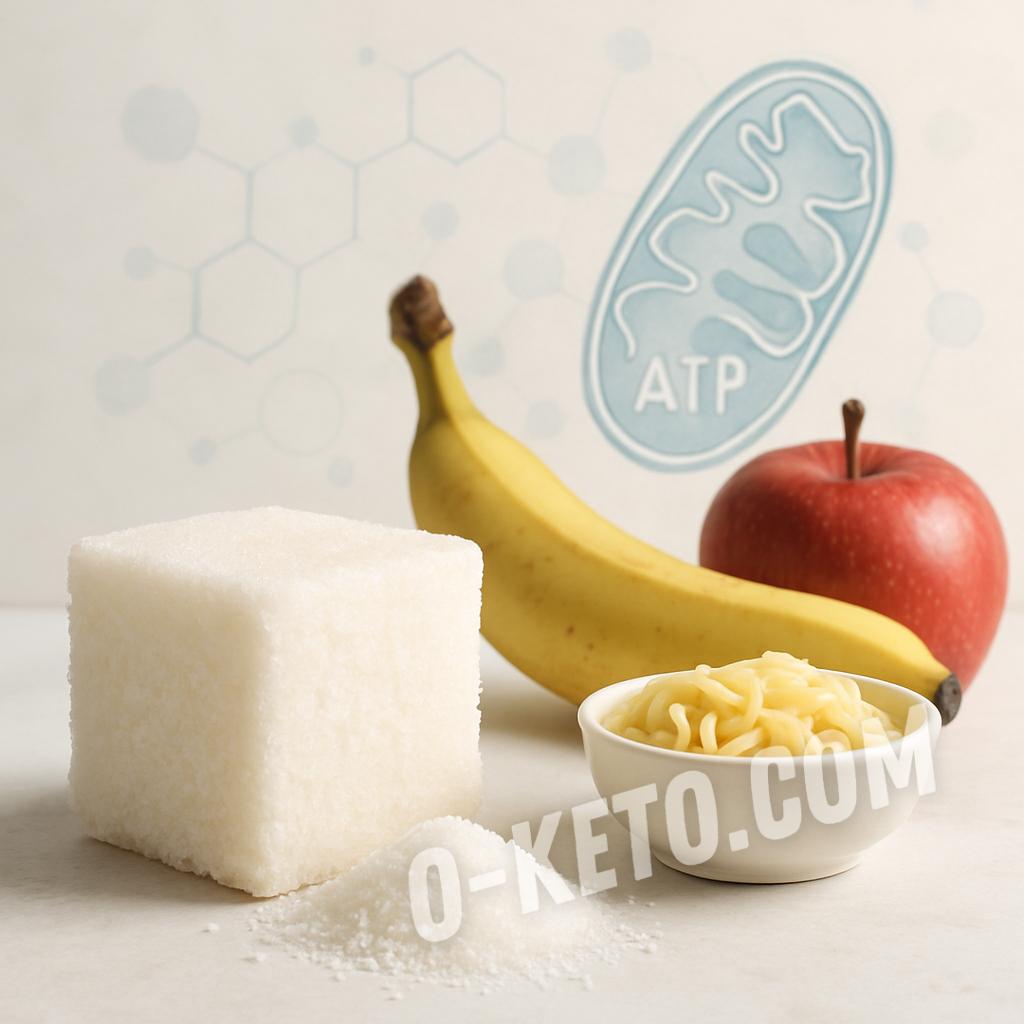
Glucose is a monosaccharide and the main sugar in the blood. It is used by cells as an energy source, is part of many carbohydrates and serves as a key marker of carbohydrate metabolism. When a person checks blood sugar with a meter or sees glucose on a blood test, the value refers to blood glucose concentration. Glucose is not a bad molecule. Red blood cells, some kidney cells, nervous-system tissues and other structures need glucose or use it in specific conditions.
In keto and LCHF, the goal is not to remove glucose from the body. That is impossible and unnecessary. The body maintains blood glucose through food, glycogen stores and gluconeogenesis, the production of glucose from lactate, glycerol and some amino acids. The practical goal of low-carb eating is to reduce large post-meal glucose spikes, lower excessive insulin demand and improve metabolic flexibility, not to declare glucose an enemy.
Where glucose comes from
Glucose enters the diet through foods containing sugar, starch, maltodextrin, dextrose, syrups, flour, grains, potatoes and many processed ingredients. Starch breaks down into glucose molecules during digestion, so unsweetened bread or rice can raise blood sugar more than expected. Sucrose provides one glucose molecule and one fructose molecule, while lactose yields glucose and galactose after digestion.
Glucose is also produced inside the body. The liver, and to a lesser extent the kidneys, can make it through gluconeogenesis, especially during fasting, sleep, low-carbohydrate eating and physical activity. This is a regulated process, not an automatic conversion of all protein into sugar. Normal morning glucose on keto can therefore be maintained without a carbohydrate breakfast.
Blood glucose and insulin
After a carbohydrate-containing meal, blood glucose rises and the pancreas releases insulin. Insulin helps cells use and store energy, suppresses excessive glucose output from the liver and influences fat metabolism. In someone with good insulin sensitivity, glucose rises moderately after eating and returns to baseline. With insulin resistance, the rise may be higher, longer and accompanied by a larger insulin response.
Chronically elevated glucose damages blood vessels, nerves, kidneys, retina and other tissues through several mechanisms, including protein glycation and oxidative stress. In diabetes and prediabetes, both spikes and average levels over weeks and months matter. Fasting glucose, hemoglobin A1c, sometimes fructosamine, fasting insulin, HOMA-IR and continuous glucose monitoring may all be used to understand the pattern.
Glucose on keto
On keto, post-meal glucose often becomes more stable because the diet contains less starch and sugar. Some people still see higher fasting glucose in the morning because of the dawn phenomenon: early-morning hormones stimulate the liver to release glucose into the blood. This does not always mean the diet has failed, but it needs context: A1c, fasting insulin, ketone levels, sleep, stress, training and the previous evening meal.
People with diabetes, especially those using insulin or glucose-lowering medications, need medical supervision when switching to low-carb eating. Medication doses can become too high when carbohydrate intake falls, and hypoglycemia becomes a real risk. Extra caution is needed with SGLT2 inhibitors because low-carb eating can increase the risk of euglycemic ketoacidosis in susceptible situations.
How foods affect glucose
The speed of glucose rise depends on food form. Liquid sugars and juices absorb quickly. Flour, flakes and overcooked starches often produce a fast response as well. Whole foods containing fiber, protein, fat and acidity can slow the response, but they do not erase the carbohydrate amount. Cooled starch may contain more resistant starch, but that does not make rice or potatoes free foods for strict keto.
Individual response varies. One person may tolerate a small berry portion, another may see a high rise from unsweetened yogurt, and a third may respond more strongly to stress than to food. A glucose meter or CGM can show reality, but the data should be interpreted calmly. Repetition, serving size, sleep, illness, training and overall metabolic status matter.
Practical takeaway
Glucose is necessary, but excess glucose in blood is an important metabolic signal. On keto, it makes sense to restrict foods that raise glucose quickly and strongly: sugar, flour, starch, sweet drinks, syrups, juices and many processed products. At the same time, there is no need to fear the fact that the body produces glucose. That is part of normal physiology.
The best approach is to read glucose together with insulin, A1c, triglycerides, waist circumference, well-being and the actual diet. Then glucose becomes not a reason for panic, but a useful marker of how the body handles carbohydrates, stress, sleep, activity and the chosen dietary pattern.

If you have any questions about the term "Glucose", you can ask them to AI. Please note, a low-cost OpenAI model is used. It may answer questions about disease treatment with errors!


