


Insulin resistance
A state in which tissues respond poorly to insulin forces the pancreas to produce more hormone to control glucose. It is linked with visceral fat, fatty liver, blood pressure, triglycerides, sleep, stress and muscle mass.


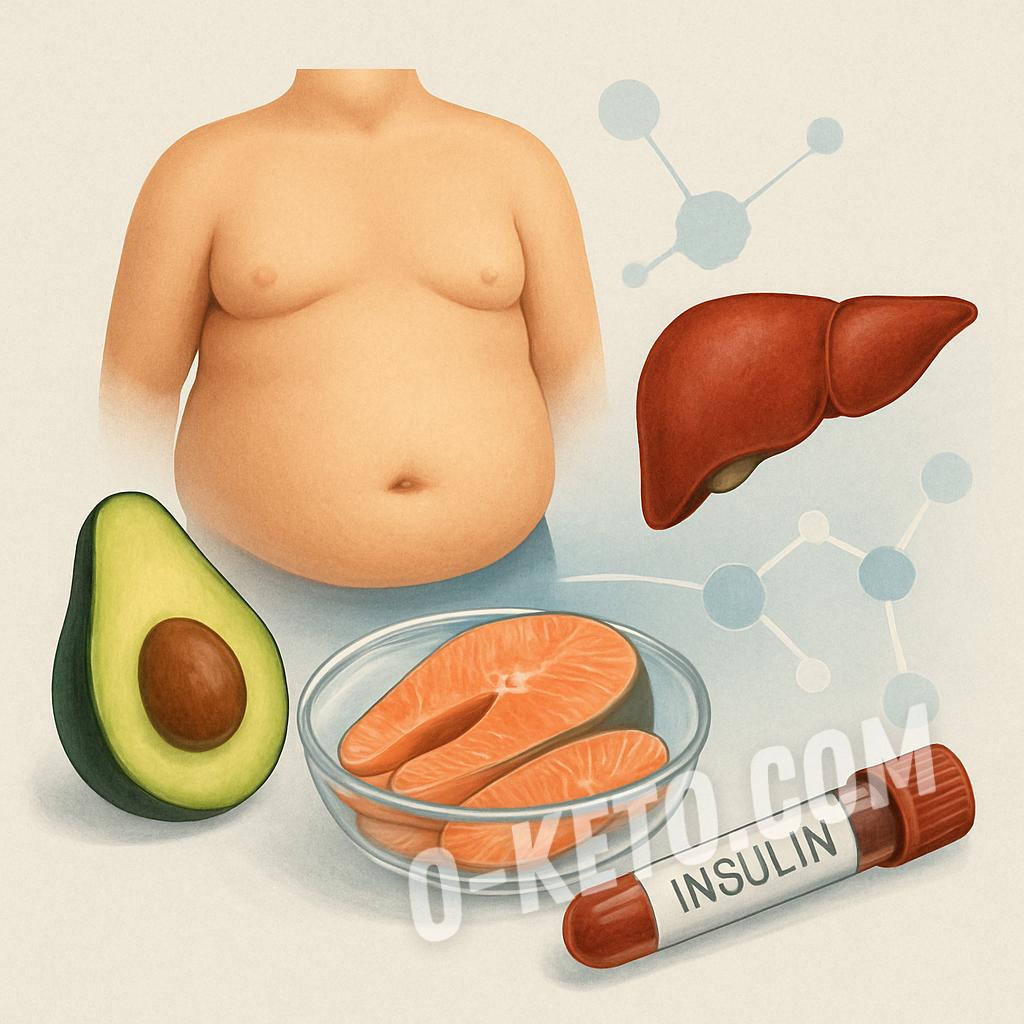
Insulin resistance is a state in which cells respond less effectively to insulin. The pancreas has to release more of the hormone to keep blood glucose in an acceptable range. In the early stages, glucose may still look normal because compensation is working, but the price is higher insulin. A person may therefore appear almost normal on basic glucose tests while already developing a larger waist, fatty liver, high triglycerides, sleepiness after meals and frequent cravings.
It is not one single disease and not one single test. It is a metabolic pattern involving muscle, liver, fat tissue, the gut, the brain, stress hormones and inflammatory signals. Visceral fat is especially important because it actively influences the liver, insulin, lipids and blood pressure. Insulin resistance often underlies prediabetes, type 2 diabetes, metabolic syndrome, polycystic ovary syndrome and non-alcoholic fatty liver disease.
How it develops
The main target tissues are muscle, liver and fat tissue. Muscle takes up glucose less effectively after meals. The liver continues releasing glucose even when energy is already sufficient. Fat tissue releases fatty acids less appropriately. The pancreas responds by secreting more insulin. As long as beta cells can compensate, glucose may remain normal. When compensation is no longer enough, fasting glucose, post-meal glucose and HbA1c begin to rise.
This creates an important practical paradox: insulin may be high in the bloodstream, yet its effect at the tissue level is still insufficient. On paper that looks like hormone excess, but for muscle, liver, and fat tissue it becomes a functional shortage of signal because receptors and downstream intracellular response are working poorly. That is why high insulin can coexist with poor access to stored fat, sleepiness after meals, rising triglycerides, and the feeling that energy drops quickly without another carbohydrate trigger.
The causes usually combine several factors: excess visceral fat, low muscle mass, inactivity, frequent intake of refined carbohydrates and ultra-processed foods, chronic sleep loss, stress, some medications, hormonal disorders and genetics. Lean people can also have insulin resistance, especially with fatty liver, low muscle mass, PCOS or a strong family history.
Signs and markers
Common markers include increased waist circumference, high triglycerides, low HDL, elevated blood pressure, fatty liver, high fasting insulin, high C-peptide, rising fasting glucose and increasing HbA1c. Dark velvety skin patches in folds can occur in more pronounced hyperinsulinemia. The absence of one sign does not exclude the problem.
Assessment should not rely only on glucose. Normal glucose with high insulin can mean that the system is still compensating. Triglycerides, HDL, ALT, GGT, waist measurement, blood pressure, family history, sleep and the response to meals provide more information together. A home glucose meter can show prolonged post-meal rises after familiar foods, but it does not measure insulin directly.
Food and movement
Low-carbohydrate nutrition often helps because it reduces glycemic load and the need for large insulin surges. A good LCHF diet, however, is not just fat instead of sugar. It needs adequate protein, maintenance or growth of muscle, tolerated vegetables and fiber, minerals, sleep and a sustainable routine. Too little protein can worsen muscle loss, and without muscle insulin sensitivity usually suffers.
Movement works through another pathway. Contracting muscle can take up glucose more effectively, and resistance training increases metabolically active tissue. Even walking after meals can reduce post-meal glucose rises. Food and movement therefore work best together. The goal is not to punish oneself with exercise, but to make muscle a regular place for energy disposal.
It is also important to account for factors that further worsen receptor response to insulin even without obvious overeating. These include chronic sleep restriction, persistently high cortisol from long-term stress, glucocorticoid treatment, physical inactivity, and ongoing inflammation. In practice this means carbohydrate restriction alone may help only partially if a person sleeps five hours, lives under constant stress, or uses medications that directly reduce insulin sensitivity.
How to tell that it is improving
In real life, improvement is usually noticed not through one magic lab value but through a cluster of more practical changes. First, constant hunger becomes less intense and it gets easier to go longer between meals without shakiness, irritability, or persistent cravings for sweets. Second, abdominal fat gradually decreases and the waist starts shrinking. This matters because visceral fat is one of the strongest drivers of chronic hyperinsulinemia, fatty liver, and the inflammatory load that keeps tissues resistant to insulin.
It also helps to watch day-to-day response markers. Some people notice lower blood pressure over time, steadier energy through the day, less sleepiness after meals, and a clearer sense of satiety. If a person used to eat a full meal and still become hungry again very quickly, but now stays satisfied much longer, that indirectly suggests calmer insulin signaling and better access of tissues to usable energy. With marked insulin resistance or long-standing type 2 diabetes, these shifts can be slow. Fasting glucose and post-meal responses may improve over months rather than weeks.
Another useful clue is morning glucose. The so-called dawn phenomenon does not always disappear immediately, especially during the transition into low-carb eating or intermittent fasting. But if morning readings become calmer over time and the response to familiar meals grows more predictable, that is a good sign. For objective follow-up, it is reasonable to track waist circumference, fasting glucose, HbA1c, fasting insulin, HOMA-IR, triglycerides, and blood pressure. The key is to judge the overall trend instead of waiting for one dramatic change in a single number.
Medication and long-term control
Insulin resistance sometimes requires medication support. Metformin, GLP-1-based drugs, PCOS treatment, blood pressure control, lipid management or fatty liver treatment may all be part of a plan. Medication does not replace food quality, sleep and movement. If glucose-lowering therapy is already used, moving to a low-carbohydrate diet requires monitoring because glucose and medication needs can change.
Improvement is judged by changes in waist circumference, energy, appetite, glucose, HbA1c, triglycerides, HDL, liver enzymes, blood pressure and symptoms. Insulin resistance is not always fully reversible and rarely changes overnight, but tissue sensitivity can often improve substantially. The earlier the chronic load is reduced and muscle is preserved, the better the chance of preventing progression to type 2 diabetes.








If you have any questions about the term "Insulin resistance", you can ask them to AI. Please note, a low-cost OpenAI model is used. It may answer questions about disease treatment with errors!


 1 / 4
1 / 4 1 / 4
1 / 4
 1 / 4
1 / 4


 1 / 4
1 / 4 1 / 4
1 / 4