




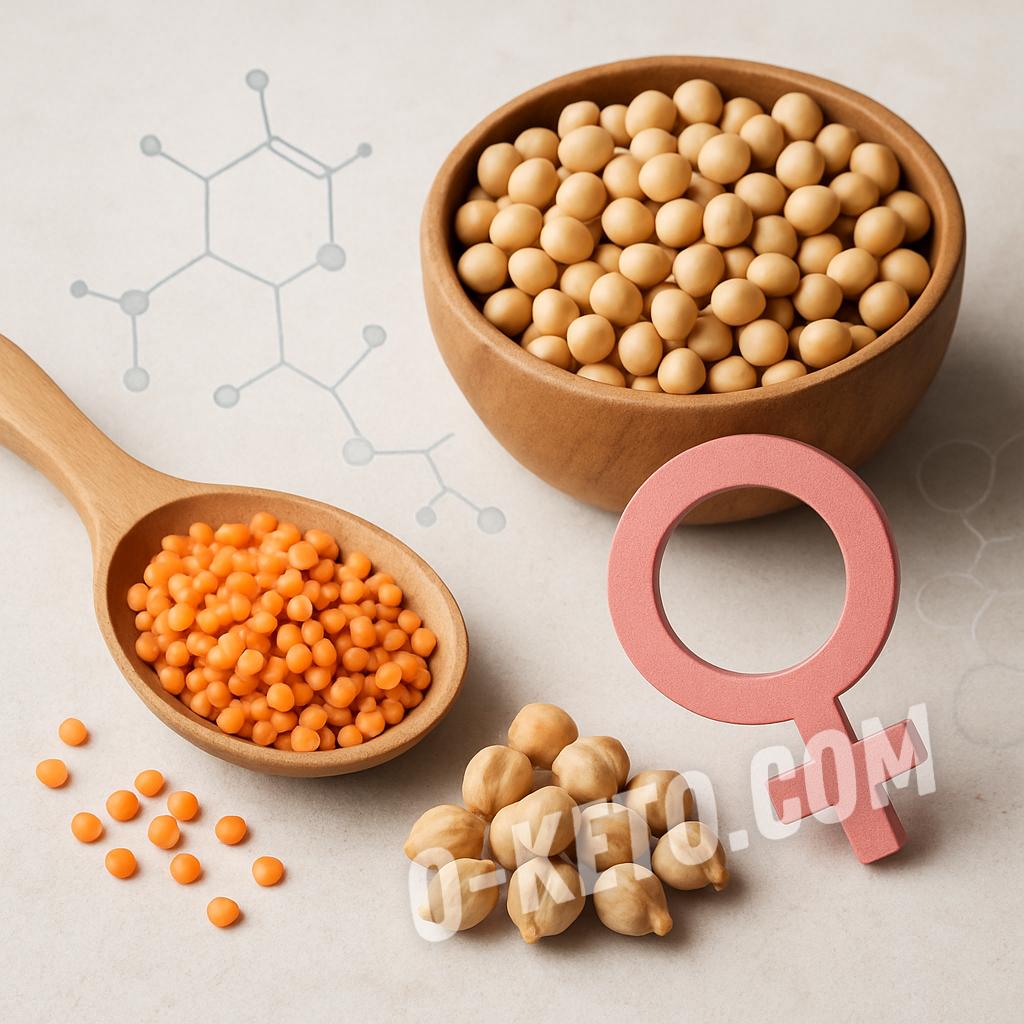

Isoflavones are a group of plant polyphenols best known from soy, red clover and some legumes. They are classified as phytoestrogens because they can interact with estrogen receptors, but their action is weaker and more complex than the action of human hormones. Isoflavones are not simply “plant estrogen,” and they are not automatically hormone disruptors. Their meaning depends on dose, product form, gut microbiota, age, sex, menopause, disease history and medication use.
The main isoflavones include genistein, daidzein and glycitein. In some people, daidzein is converted by intestinal bacteria into equol, a metabolite with stronger biological activity. Not everyone is an equol producer, which helps explain why responses to the same amount of soy differ. One person may notice no effect from soy foods, while another may experience changes in menopausal symptoms, digestion or tolerance. This is individual biochemistry, not a contradiction.
Food sources
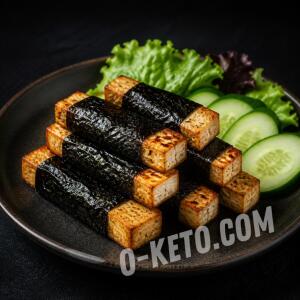
The main sources are soybeans, tofu, tempeh, miso, natto, soy milk, soy flour, isolated soy protein and foods made from them. Fermented products may differ in isoflavone availability and tolerance. For low-carbohydrate nutrition, the entire product matters. Plain tofu or tempeh is very different from sweetened soy milk, a soy dessert, a bar or a meat substitute containing starch.
Red clover is more often used as a supplement than as a food. In capsules, isoflavones can be far more concentrated than in a normal serving of food. Conclusions about traditional soy foods should therefore not be transferred directly to high-dose extracts. A supplement has a different dose, different delivery and a different safety profile.
Hormonal context
Isoflavones can bind to estrogen receptors, especially ER-beta, and in different settings may have mild estrogen-like or modulating effects. In menopausal women, they are studied in relation to hot flashes, bone health and cardiovascular markers. The effect is usually modest and depends on baseline status. The context is different in younger women with regular cycles, men, people with endocrine disorders and patients after cancer treatment.
In hormone-sensitive cancers, anti-estrogen therapy, complex endocrine history, pregnancy and lactation, concentrated isoflavone supplements should be discussed with a clinician. Ordinary food amounts of soy and therapeutic doses of extracts are not the same situation. The mistake is either fearing every soy food or treating isoflavones as a safe replacement for hormone therapy.
Thyroid and mineral absorption
Isoflavones are often discussed in relation to thyroid function. With adequate iodine and normal thyroid function, moderate soy intake usually does not cause clinical problems. With iodine deficiency, hypothyroidism or levothyroxine use, dose and timing matter. Soy foods can reduce levothyroxine absorption, so thyroid medication is usually taken separately from food and supplements according to medical instructions.
Legumes contain phytates, which can bind some minerals, including iron and zinc. Fermentation, soaking and a varied diet reduce the practical impact of this issue. If soy becomes the main protein source, amino acid adequacy, iodine, selenium, iron, zinc and digestive tolerance deserve attention. A mixed diet with meat, fish, eggs and seafood has a different risk profile than a strict plant-based diet.
Practical interpretation
For LCHF and keto, isoflavones themselves are not a meaningful carbohydrate load. The product matrix matters. Firm unsweetened tofu, tempeh or small amounts of miso can fit into a low-carbohydrate diet if tolerated. Sweetened soy drinks, yogurts, desserts, sauces and processed convenience foods should be judged by sugar, starch, oils, additives and overall nutrient quality.
Isoflavones are best viewed as bioactive food compounds, not as medicine and not as poison. If soy is associated with bloating, itching, migraines, skin reactions, digestive worsening or other symptoms, individual tolerance should be tested. If tolerance is good, medications do not conflict and the diet remains varied, moderate food sources of isoflavones can be a normal part of nutrition.
Possible forms and their absorption
Nutrient forms are listed from best to worst: