


Ketogenic index
A calculated way to estimate how strongly a food may support ketone production based on fat, protein and carbohydrate balance. It can be a useful guide, but it does not replace real metabolic response or overall food quality.


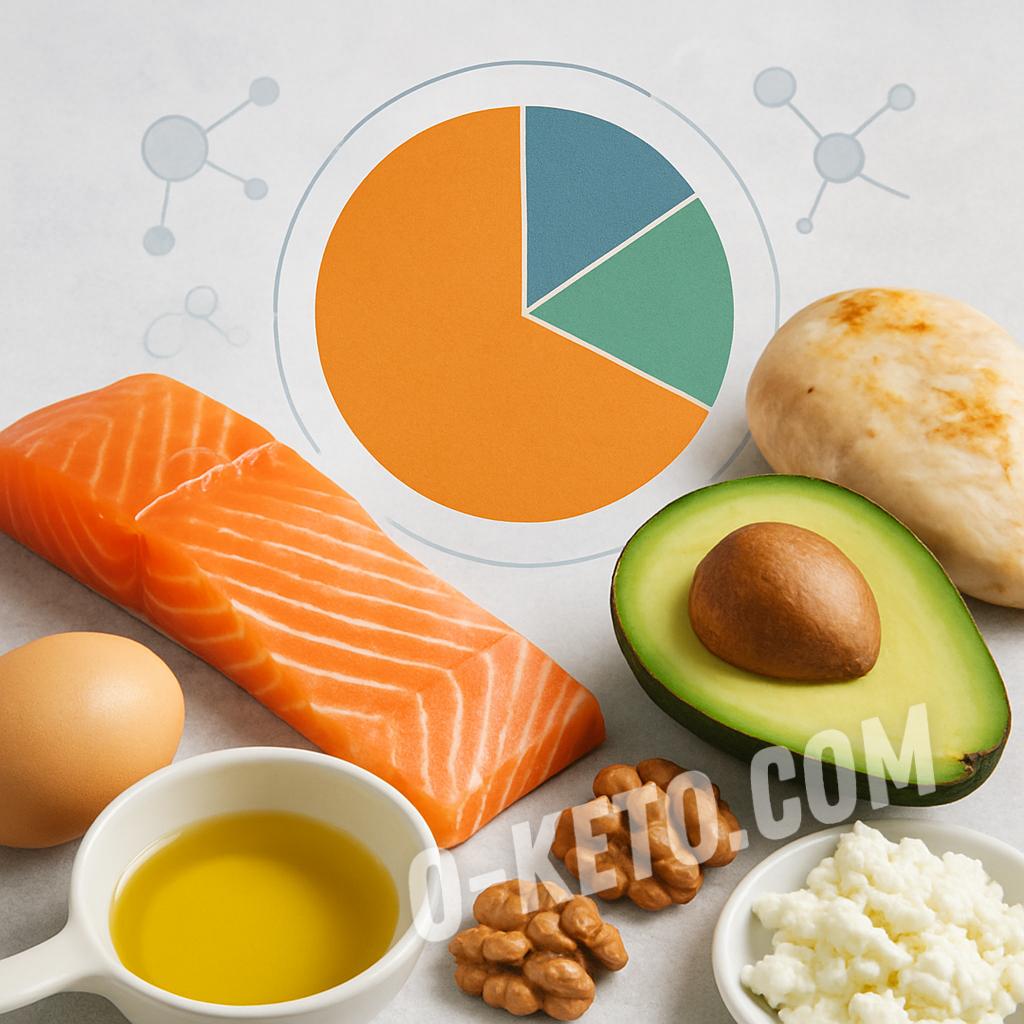
The ketogenic index is a calculated way to estimate how strongly the composition of a food may support ketosis. It is based on nutrient balance: fat usually increases ketogenic potential, carbohydrates reduce it, and protein sits in between because some amino acids can participate in gluconeogenesis while others enter ketogenic pathways. This idea helps explain why butter, meat, bread and berries affect ketosis differently.
The ketogenic index should not be treated as an absolute good-or-bad score. It does not capture everything: insulin sensitivity, portion size, meal timing, training, sleep, stress, medications, liver function, microbiome and total energy intake all matter. A food with a high calculated index may be poor in nutrients, while a food with a lower index may be useful in a moderate portion.
What the index evaluates
Historically, similar calculations were used in therapeutic ketogenic diets where maintaining a specific ratio of fat to protein and carbohydrate matters. In medical protocols for epilepsy or other purposes, this can be important because ketosis needs to be more predictable. In everyday LCHF for weight control or glucose management, such strict calculation is often unnecessary.
The index shows the potential of a meal to support ketone production, but it does not describe protein quality, fatty acid profile, vitamins, minerals, fiber, satiety or tolerance. Pure fat may have high ketogenic potential, but it does not provide amino acids, iron, zinc or other important nutrients. A diet should not be built from ketone mathematics alone.
Protein and carbohydrates
Carbohydrates reduce ketogenic potential most strongly because they raise glucose and insulin. Amount, type and context matter. A small portion of low-carbohydrate vegetables eaten with protein and fat is not the same as a sweet drink or bread. Fiber, food structure and absorption speed change the real response.
Protein is sometimes wrongly viewed as an obstacle to ketosis. A large protein portion may lower ketones in some people, but protein is necessary for muscle, enzymes, immunity and recovery. If a person restricts protein too much to improve the index, the diet becomes worse. For most practical goals, adequate protein and stable glucose matter more than the highest possible calculated ketogenic score.
Practical use
The ketogenic index can be useful when designing strict therapeutic diets, comparing meals or explaining why a fatty sweet and fatty meat produce different results. It also shows why a keto dessert with flour, sweeteners and many calories is not automatically a good choice because it contains fat. In daily life, it is usually easier to look at actual foods and personal response.
A practical approach begins with questions: is there complete protein, how many net carbohydrates are present, what fats are used, how satiating is the meal, and how does it affect glucose and wellbeing? If ketones are measured, typical meals can be compared, but life should not revolve around the device. Sometimes a meal with a lower ketogenic index supports long-term satiety and health better.
Limitations
The index does not account for medications, diabetes, hormonal conditions, gut or liver disease, physical activity or deficiencies. It also does not describe ketoacidosis risk. High ketogenic potential in food and a dangerous state caused by insulin deficiency are different things. People with type 1 diabetes, SGLT2 inhibitor use or complex therapy cannot rely on a calculated index alone.
The ketogenic index is a tool for understanding composition, not a replacement for judgment. Good low-carbohydrate eating is evaluated by glucose, waist, strength, sleep, laboratory markers, satiety, eating behavior and tolerance. If a mathematically ketogenic meal worsens wellbeing, triggers overeating or displaces nutrient-dense foods, the index does not make it a good meal.
If you have any questions about the term "Ketogenic index", you can ask them to AI. Please note, a low-cost OpenAI model is used. It may answer questions about disease treatment with errors!


