


Lipids
A broad class of fat-like molecules: triglycerides, phospholipids, cholesterol, fatty acids and their derivatives. In food they provide energy, while in the body they build membranes, travel in lipoproteins and appear in blood tests as part of metabolic risk assessment.
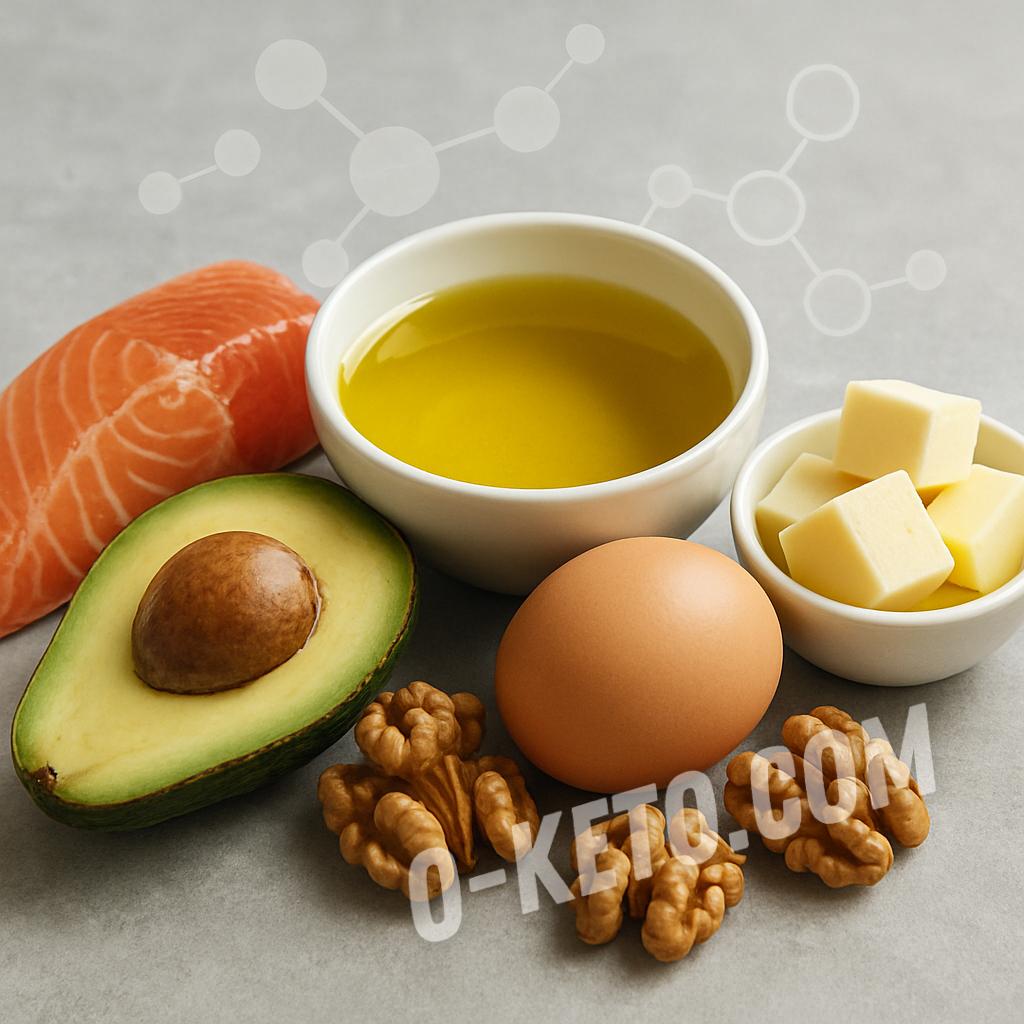
Lipids are a broad class of fat-like molecules that includes triglycerides, phospholipids, cholesterol, free fatty acids, cholesterol esters, steroid molecules and many signaling derivatives. In everyday language, lipids are often called fats, but that is not precise. Dietary fat is only one part of the lipid world. Lipids are found in cell membranes, bile, blood lipoproteins, adipose tissue, the nervous system and hormone metabolism.
For low-carbohydrate nutrition, understanding lipids is especially important because keto and LCHF change not only the amount of fat eaten, but also lipid transport. Many people see lower triglycerides, changes in HDL and sometimes higher LDL cholesterol or ApoB. These changes cannot be judged by a single slogan such as “fat is healthy” or “cholesterol is harmful”. Different lipids have different jobs and appear differently in blood tests.
Main lipid groups
Triglycerides are a storage and transport form of energy. In adipose tissue they serve as reserve fuel, and in blood they travel inside lipoproteins. Phospholipids build cell membranes and help form lipoprotein shells. Cholesterol is needed for membranes, bile acids, vitamin D and steroid hormones. Fatty acids may be saturated, monounsaturated or polyunsaturated, and they can also serve as raw material for signaling molecules.
These groups are connected, but they are not interchangeable. High triglycerides often point to energy excess, sugar, fructose, alcohol, insulin resistance or liver problems. High ApoB reflects the number of atherogenic lipoprotein particles. Cholesterol in membranes is not the same thing as cholesterol carried in LDL particles in blood. Lipid discussion therefore requires precision: the molecule, tissue or blood marker must be named.
Lipids and membranes
Cell membranes are built from a lipid bilayer. Proteins, receptors, channels and signaling systems are embedded in it. The fatty-acid composition of membranes influences fluidity, stability, signal transmission and cell function. DHA is especially important in nervous tissue and the retina, arachidonic acid in immune-response signaling, and phospholipids in structural organization. Over time, dietary fat quality can therefore influence not only calorie intake but also tissue lipid composition.
This does not mean one serving of fish or oil instantly rebuilds membranes. Lipid composition changes gradually. Diet consistency, Omega-3 and Omega-6 balance, refined-oil intake, protein intake, liver function, bile flow and gut status all influence lipid metabolism. A stable dietary pattern is more useful than a single “fat” supplement.
Lipoproteins and blood tests
Lipids do not dissolve well in water, so they travel in blood inside lipoproteins. Chylomicrons carry dietary fat, VLDL particles are connected with triglyceride export from the liver, LDL particles deliver cholesterol and other lipids to tissues, and HDL particles participate in reverse cholesterol transport and immune-inflammatory processes. Blood tests do not measure “fat in general”, but specific markers: triglycerides, total cholesterol, LDL-C, HDL-C, non-HDL, ApoB, Lp(a) and sometimes particle size or particle number.
On LCHF, triglycerides often decrease and HDL may rise, especially when sugar, fructose and alcohol are reduced. In some people, however, LDL-C and ApoB rise, especially with high saturated-fat intake, rapid weight loss, leanness or genetic factors. Such a rise should not be ignored automatically. It should be evaluated together with ApoB, non-HDL, Lp(a), blood pressure, glucose, insulin, inflammation, family history and the actual diet.
Dietary lipids
Dietary lipids come from oils, animal fats, fish, eggs, dairy products, nuts, seeds, avocado, olives and processed foods. Source quality matters enormously. Olive oil, fatty fish, eggs and whole foods differ from margarine, deep-fried foods, cheap sauces and industrial sugar-free sweets. Even when carbohydrates are low, oxidized oils and trans fats remain a bad idea.
In keto practice, it is important not only to add fat but also to distribute lipid types. Saturated fats can be part of the diet, but they do not need to be the only base. Monounsaturated fats from olive oil and avocado often make the lipid profile gentler. Long-chain Omega-3s from fish or microalgae fill a separate need that cannot be met by butter or coconut oil.
When lipid metabolism needs attention
Lipid metabolism deserves review with obesity, diabetes, insulin resistance, fatty liver disease, hypothyroidism, high blood pressure, a family history of early cardiovascular events, pancreatitis or very high triglycerides. Testing is also useful after a major dietary change if someone starts keto and sharply increases fat intake. It is better to look beyond total cholesterol and use a broader profile that includes triglycerides, HDL, LDL, non-HDL and ApoB.
If blood lipids change, the first step should be neither fear nor denial, but investigation. Sometimes removing alcohol, sweet sauces and frequent snacks is enough. Sometimes saturated fat should be reduced while olive oil, fish, fiber and protein are increased. Sometimes the reason lies in thyroid function, medication, genetics or liver status. Lipids are a language of metabolism, and they need to be read in context.
If you have any questions about the term "Lipids", you can ask them to AI. Please note, a low-cost OpenAI model is used. It may answer questions about disease treatment with errors!


 1 / 4
1 / 4
 1 / 4
1 / 4 1 / 4
1 / 4 1 / 4
1 / 4


 1 / 4
1 / 4 1 / 4
1 / 4