


Low Histamine Diet
A Low Histamine Diet temporarily reduces high-histamine foods and histamine liberators to identify personal tolerance.


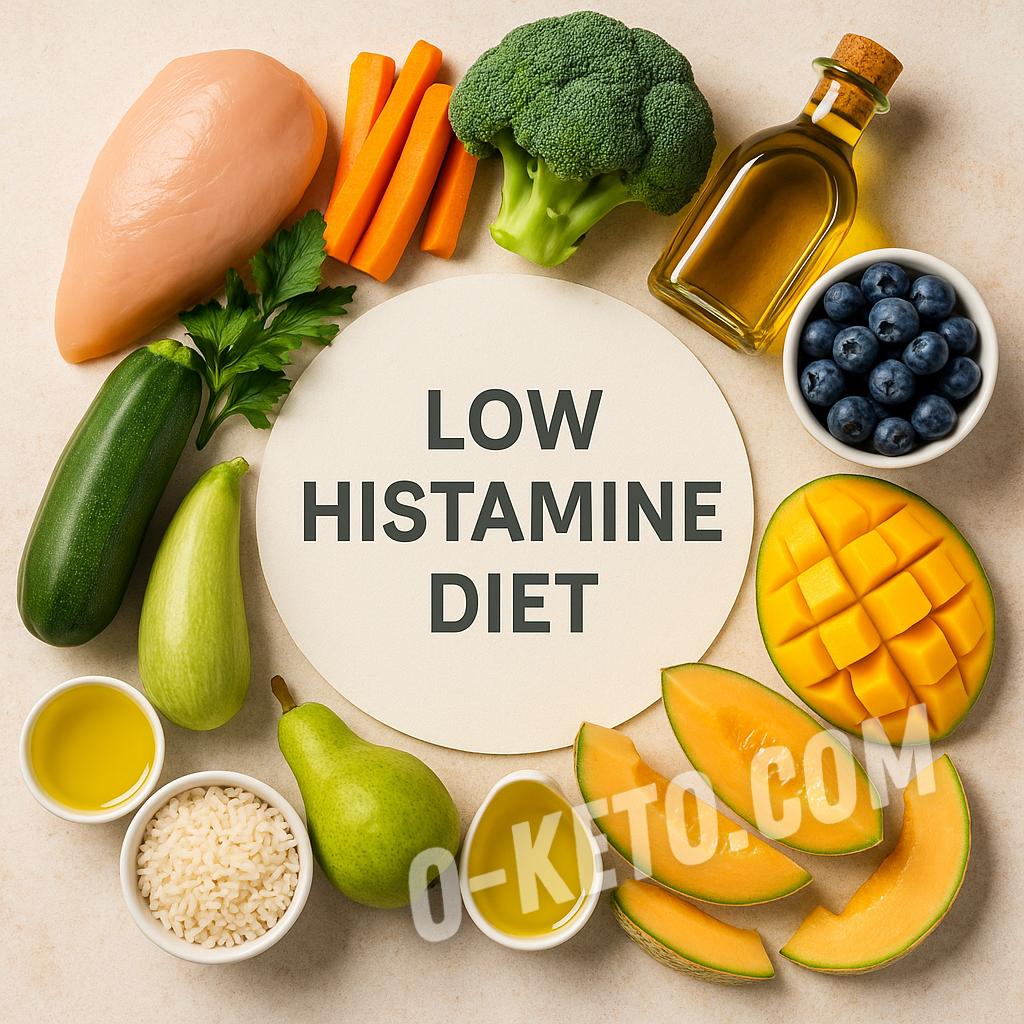
A Low Histamine Diet temporarily restricts foods high in histamine and foods that may promote histamine release. It is used when histamine intolerance is suspected: flushing, itching, hives, headaches, nasal congestion, palpitations, diarrhea or worsening after wine, aged cheese, fermented foods and long-stored meals.
It is not a universal “anti-inflammatory” diet. Histamine symptoms can resemble allergy, mast cell disorders, gut problems, migraine and medication reactions, so strong symptoms require evaluation.
When A Low-Histamine Diet Is Truly Justified
A low-histamine approach is usually relevant not for everyone, but for people with reproducible reactions to aged cheese, wine, fermented foods, smoked meats, canned products or leftovers stored too long. It becomes practical when those exclusions clearly reduce itching, flushing, rhinitis, headaches, tachycardia or digestive symptoms.
If no food pattern is reproducible and the diet keeps narrowing, there is little value in expanding restrictions automatically. It is important to distinguish allergy, mast-cell reactions, migraine, SIBO and ordinary intolerance, because the word “histamine” often gets used for several different problems at once.
If you have any questions about the term "Low Histamine Diet", you can ask them to AI. Please note, a low-cost OpenAI model is used. It may answer questions about disease treatment with errors!


 1 / 4
1 / 4


 1 / 4
1 / 4 1 / 4
1 / 4 1 / 4
1 / 4 1 / 4
1 / 4


