


Luteolin
A plant flavonoid from parsley, celery, thyme, chamomile, peppers, and vegetables; it is studied for inflammatory signaling, mast cells, oxidative stress, and neuroinflammation.
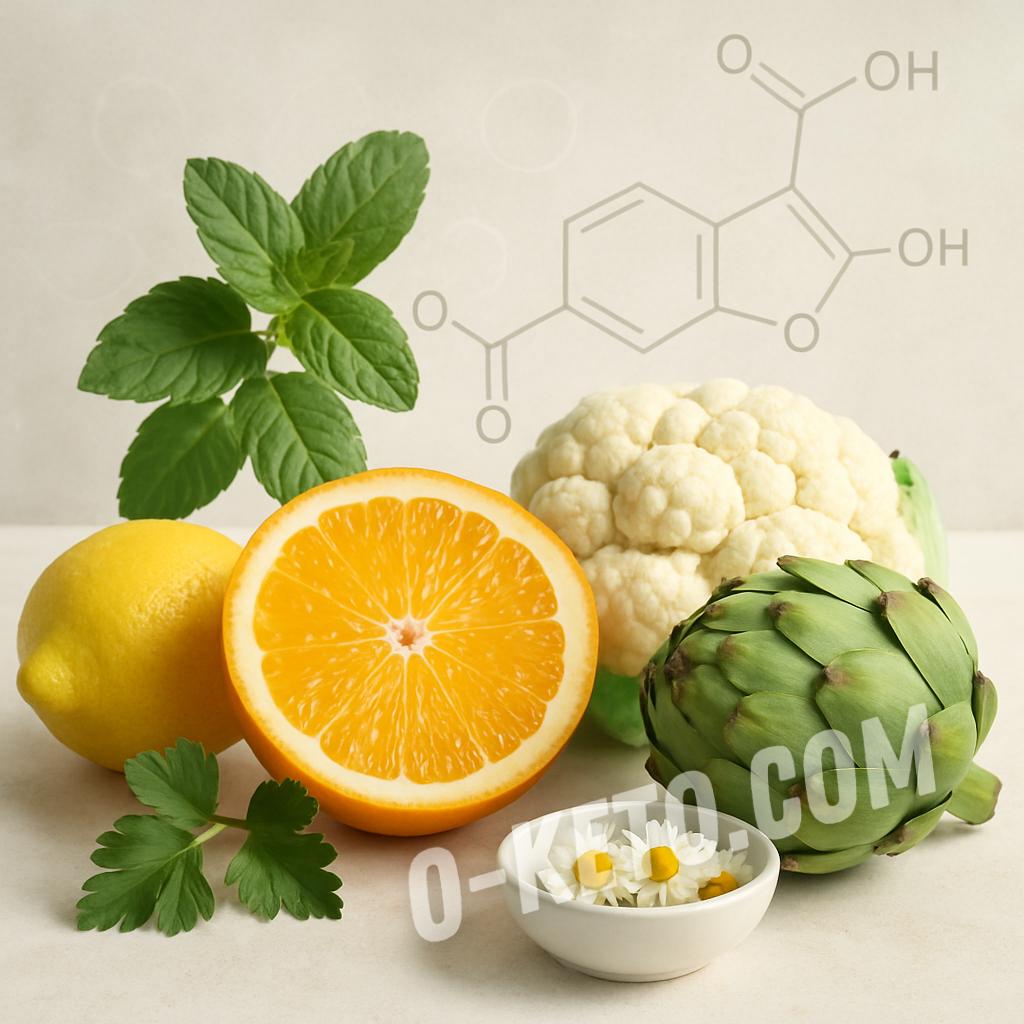
Luteolin is a flavonoid found in parsley, celery, thyme, chamomile, peppermint, green pepper, artichoke, carrot, some citrus fruits, and other plants. It is studied because of its effects on inflammatory signaling, oxidative stress, mast cells, and immune responses. But luteolin should not be treated as a separate herbal anti-inflammatory drug. In food it works as part of a broad mixture of polyphenols, fiber, minerals, and flavor compounds; in supplements it requires much more caution.
How luteolin differs from other flavonoids
Flavonoids are often described in the same way: antioxidant, cell protection, vascular support. That is too crude. Luteolin is interesting because research connects it with NF-kB, MAPK, cytokines, COX-2, release of mast-cell mediators, and microglial activation. These mechanisms relate to inflammation, allergic reactions, neuroinflammation, and tissue stress. But mechanistic interest is not the same as proven treatment of human disease.
In real life, luteolin arrives in small doses from greens, herbs, and vegetables. This fits well into low-carbohydrate eating: parsley, celery, thyme, mint, chamomile, pepper, and artichoke can provide flavor and polyphenols without a large sugar load. This is especially useful for people on keto or LCHF who accidentally narrow their diet to meat, cheese, and butter. A low-carbohydrate diet can still be rich in plant compounds when herbs, spices, and vegetables are used.
Inflammation, mast cells, and the nervous system
Luteolin is often discussed in relation to histamine, mast cells, allergic reactions, and neuroinflammation. In experimental models it may reduce release of some mediators and influence inflammatory cascades. This does not mean that a luteolin supplement treats mastocytosis, allergies, migraine, autism, autoimmune disease, or brain inflammation. These conditions are complex, require diagnosis, and cannot be reduced to one flavonoid.
When histamine intolerance is suspected, reaching immediately for a supplement is not the best first step. Reactions may involve DAO activity, gut health, alcohol, stress, medications, fermented foods, infections, menstrual cycle, sleep, and the overall inflammatory load. Some people tolerate herbs and chamomile very well; others react to plant extracts with itching, flushing, or discomfort. Luteolin should not replace a food diary, evaluation, and a search for real triggers.
Still, food sources of luteolin can be part of an anti-inflammatory dietary style. Such a style includes adequate protein, Omega-3 fats, low glycemic load, fiber, magnesium, polyphenols, good sleep, movement, and reduction of chronic calorie excess. If a person eats little sugar and includes fish, eggs, vegetables, greens, olive oil, and tolerated fermented foods, luteolin becomes one element of the larger picture rather than the main actor.
Bioavailability and microbiota
Like other polyphenols, luteolin is transformed in the intestine and liver. Its forms may be conjugated with glucuronic acid or sulfate, and the microbiota can change availability and metabolites. This is why the same capsule cannot be promised to have the same effect in everyone. Gut health, bile flow, liver function, medications, diet, inflammatory disease, and individual tolerance of herbs and spices all influence the result.
Luteolin supplements are sometimes used for allergic complaints, brain fog, inflammation, pain, or immune hyperreactivity. The problem is that supplement quality, doses, and evidence vary widely. High doses may interact with medications, and even plant extracts can trigger reactions in sensitive people. During pregnancy, lactation, cancer treatment, immunosuppressive therapy, anticoagulant use, multiple drug therapy, or severe liver disease, supplements should be discussed with a clinician.
How to use it in food
In practice, luteolin is easier and safer to obtain from food. Parsley, celery, thyme, mint, chamomile tea, green pepper, artichoke, and herb sauces can appear regularly in meals. They improve flavor, reduce dependence on sweet sauces, and add a plant layer to protein and fats. For keto this is especially valuable: the plate becomes not only low in carbohydrate but also more nutrient-dense.
If a person does not tolerate a particular herb or vegetable, there is no need to force it for luteolin. The polyphenol layer can be built from other sources: greens, olive oil, moderate berries, cocoa, tea, spices, and low-carbohydrate vegetables. What matters is not heroic attachment to one compound but a sustainable diet that does not provoke symptoms and still preserves variety. This is especially important with a sensitive gut and multiple food reactions.
Luteolin does not replace treatment for allergy, asthma, autoimmune disease, migraine, or neurological disorders. But it illustrates an important principle: an anti-inflammatory diet is built from many small decisions. Greens with meat, herbs in sauce, vegetables with fish, unsweetened herbal tea, and good food tolerance often do more than an occasional bet on an expensive capsule. With chronic symptoms, dietary flavonoids are best used as support rather than a way to avoid diagnosis.
If you have any questions about the term "Luteolin", you can ask them to AI. Please note, a low-cost OpenAI model is used. It may answer questions about disease treatment with errors!


 1 / 4
1 / 4 1 / 4
1 / 4
 1 / 4
1 / 4