


ARVI
An acute respiratory viral infection is not one specific virus but a group of infections in which temperature, breathing, hydration, sleep, nutrition and complication risk matter more than the simple presence of cough or runny nose.




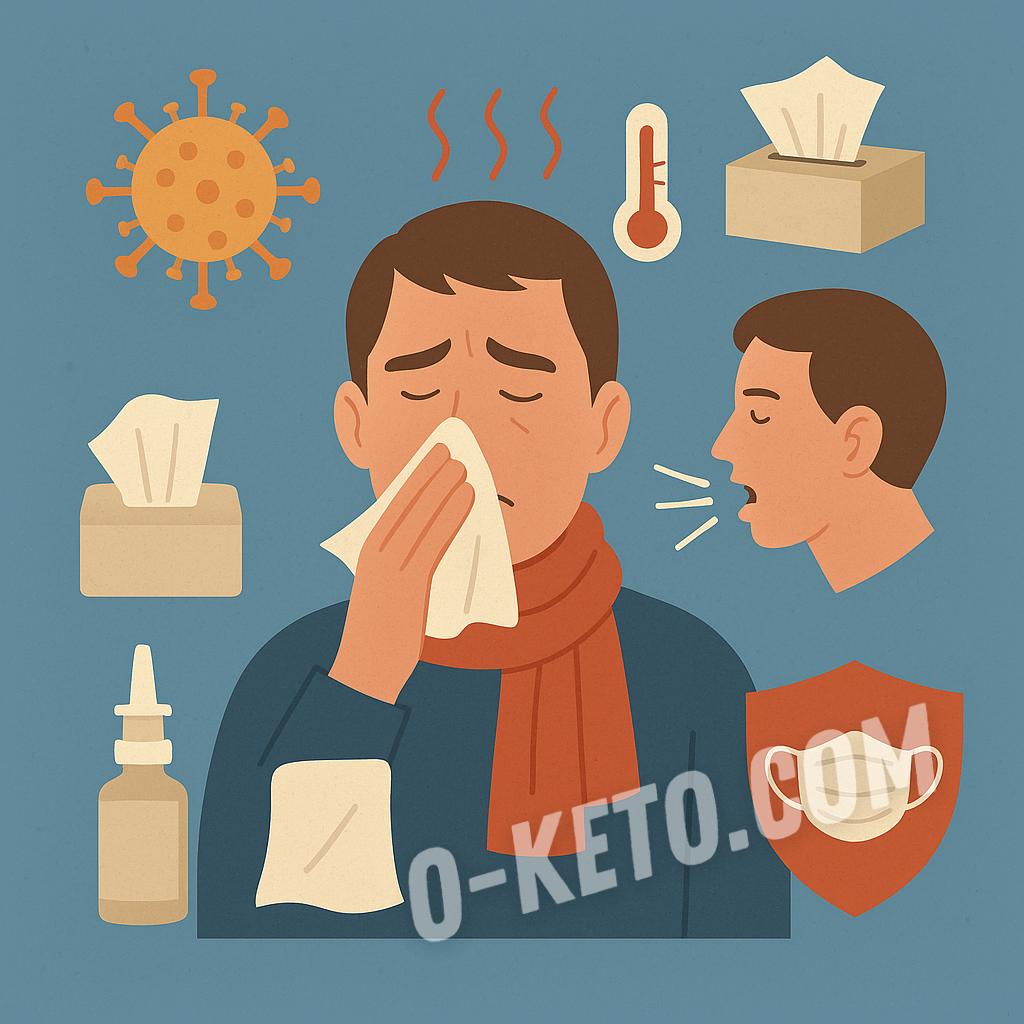
Acute respiratory viral infection, often shortened to ARVI in post-Soviet medical usage, is a broad label for viral illnesses affecting the upper and sometimes lower respiratory tract. It does not refer to one single virus, but to many pathogens that produce similar symptoms such as runny nose, sore throat, cough, fever, fatigue, muscle aches and general malaise. The practical point of the diagnosis is therefore not always to name the exact virus, but to judge severity, hydration, breathing status, complication risk and the person’s overall reserve.
Why the course can look so different
In some people the illness stays mild, with congestion and a few days of low energy. In others it brings high fever, marked muscle pain, heavy cough, poor appetite and a longer recovery phase. Age, asthma, smoking, chronic disease, sleep quality, nutrition status, stress and fluid intake all influence how hard the episode feels. In many cases the greatest burden comes not only from the virus itself, but from inflamed mucosa, poor sleep and progressive dehydration.
That is why the same phrase, “I have a cold,” may describe either a short self-limited event or a much more demanding situation that needs closer observation.
What matters in the first days
Early assessment should look beyond the temperature number alone. Breathing comfort, pulse, ability to drink, urine output, appetite, chest pain, weakness and sleep tolerance often say more about the real strain on the body. If a person is barely eating, sweating heavily, sleeping badly and breathing through the mouth because of severe congestion, the viral illness begins to overlap with dehydration and loss of resilience. Basic support may then influence comfort more than a frantic search for the “strongest cold remedy.”
It is also important to remember that cough and fatigue may last longer than congestion and still fit a normal recovery pattern when breathing stays stable and the overall direction is improving.
Nutrition, fluids and recovery
Food does not directly eliminate the virus, but nutrition strongly affects tolerance of the illness and speed of recovery. Adequate fluids, enough protein, electrolytes and rest matter especially when fever, sweating, diarrhea, vomiting or reduced appetite are present. Some people tolerate a lower-carbohydrate pattern well, but acute infection is usually the wrong moment to turn illness into an extreme fasting or restriction experiment if weakness is rising and fluid intake is falling.
In practical terms, supporting hydration and enough nourishment is usually more useful than trying to outsmart the virus with rigid schemes that ignore the person’s real condition.
When complications should be considered
Complications become more concerning with shortness of breath, chest pain, persistent high fever, strong one-sided facial or ear pain, marked lethargy, confusion, inability to drink, signs of dehydration or a new worsening after brief improvement. People with asthma, COPD, severe obesity, diabetes or cardiovascular disease may have a higher risk of an unfavorable course.
For that reason, ARVI should always be viewed in the context of the body carrying it, not as an abstract infection detached from the individual background.
What helps a person get through the episode more wisely
The most useful approach is to watch breathing, temperature, fluids, sleep and the overall direction of change. If the person drinks, sleeps a bit better and gradually improves, that is usually reassuring. If every day becomes harder, breathing worsens or exhaustion deepens, in-person assessment is needed. This view helps avoid panic over every symptom while still recognizing the point at which an “ordinary viral illness” stops behaving like an ordinary one.
Why home management still matters
Even in an ordinary viral episode, a lot depends on whether the person can drink enough, air out the room, reduce overheating, sleep and avoid pushing the body into exhaustion. These measures may not look like dramatic treatment, yet they often determine whether the illness stays short and manageable or becomes prolonged through insomnia, dehydration and overall strain.
If you have any questions about the term "ARVI", you can ask them to AI. Please note, a low-cost OpenAI model is used. It may answer questions about disease treatment with errors!


 1 / 4
1 / 4


 1 / 4
1 / 4
 1 / 4
1 / 4 1 / 4
1 / 4 1 / 4
1 / 4 1 / 4
1 / 4