


Thallium poisoning
Thallium is a highly toxic metal that can cause a combination of gastrointestinal symptoms, limb pain, hair loss, and nervous system injury. It requires urgent medical evaluation because the clinical picture often evolves in stages and may affect the heart, liver, kidneys, and peripheral nerves.



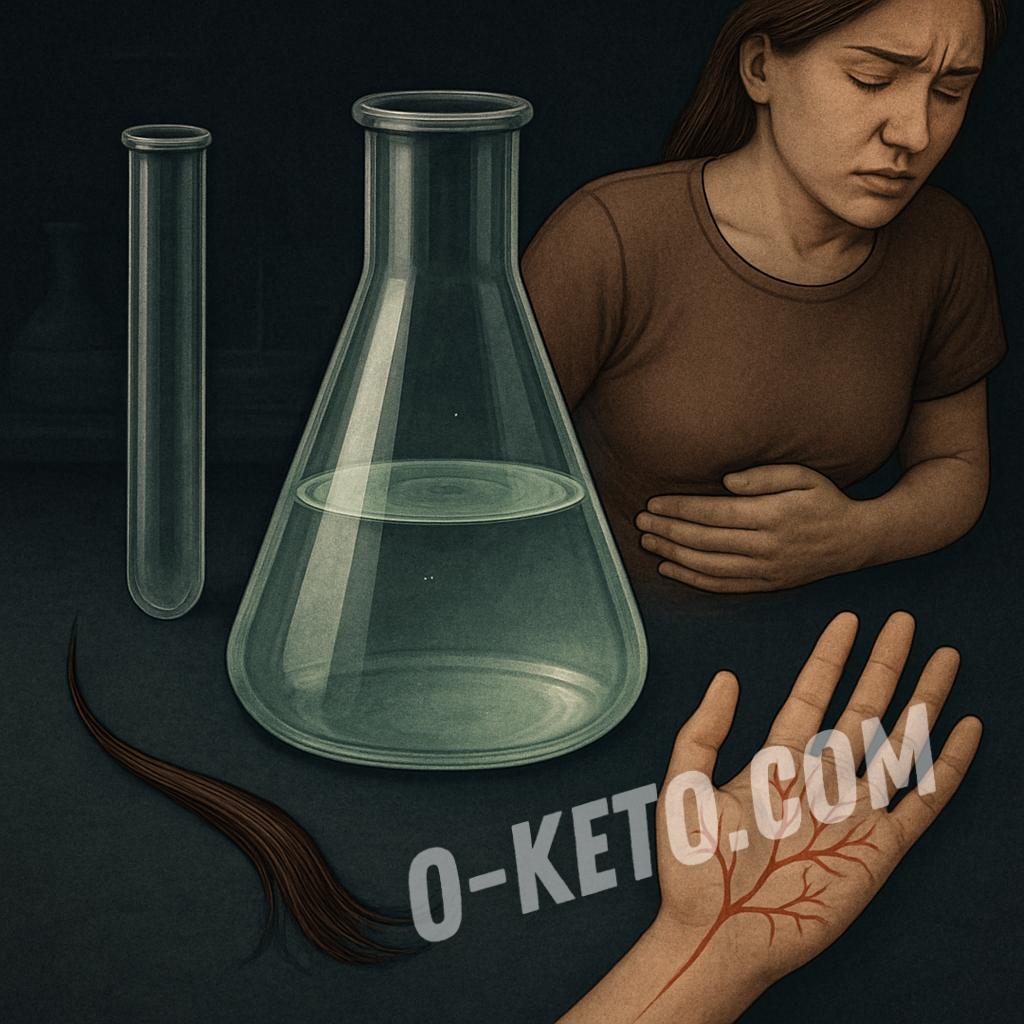
Thallium poisoning is a severe toxic state in which the problem is not limited to the stomach or intestines. This metal can injure several organ systems at once, which is why the presentation may look confusing at first. Some people begin with nausea, abdominal pain, vomiting, or diarrhea. Later they may develop burning pain, numbness, weakness, poor balance, or unusual sensitivity in the hands and feet. Hair loss may appear after the early phase and becomes an important diagnostic clue. Because the symptoms can unfold step by step rather than all at once, the condition is sometimes recognized later than it should be.
How intoxication usually presents
The exact picture depends on the dose, the compound involved, and the time since exposure, but several patterns are especially important. Early symptoms often come from the gastrointestinal tract: nausea, cramping, abdominal pain, vomiting, diarrhea, or pronounced weakness after eating or drinking. As the intoxication progresses, the nervous system may become the dominant issue. People can experience burning pain, tingling, numbness, muscle weakness, gait instability, or a painful peripheral neuropathy that feels much worse than an ordinary stomach illness.
This combination matters because thallium is well known for producing neurologic injury together with later hair loss. In some patients the nerve symptoms are more striking than the digestive complaints. Trouble concentrating, sleep disturbance, irritability, tremor, or marked fatigue may also appear. In more severe cases the heart and other internal organs can be affected. The danger therefore lies not only in the acute episode but also in the possibility of lingering nerve pain and slow recovery.
Where exposure comes from and how diagnosis is confirmed
Thallium poisoning is not among the most common household intoxications, but exposure can occur through contaminated materials, industrial settings, certain chemical mixtures, or rare criminal events. For clinicians, timing is crucial. If gastrointestinal symptoms are followed by burning limb pain, weakness, and then hair loss, this sequence strongly raises suspicion for thallium and justifies focused toxicology testing.
Diagnosis should never rest on a guess alone. Physicians review the exposure history, examine the neurologic pattern, and assess whether the heart, liver, kidneys, or electrolyte balance may be affected. Laboratory testing is used to detect thallium in biologic samples, while additional studies help estimate the severity of the injury and rule out other intoxications or metabolic conditions that can imitate parts of the same picture.
What happens in the early medical response
The key rule is simple: suspected thallium poisoning requires prompt medical care. Trying to manage it at home with improvised “detox” methods is unsafe and can delay the correct treatment. Clinical management depends on the suspected source, the time since exposure, the intensity of symptoms, and the available toxicology data. In practice, doctors may use strategies aimed at limiting further absorption, supporting elimination, correcting fluids and electrolytes, and monitoring the nervous system and cardiovascular status.
The difficult part is that important damage may continue at the level of the peripheral nerves even after vomiting or diarrhea has already passed. That is why the medical response is not only about the initial stomach phase. It is also about understanding how deep the neurologic involvement is and whether the patient is becoming unstable. Worsening burning pain, progressive weakness, gait problems, confusion, or rhythm-related symptoms all require urgent evaluation.
What support may matter during recovery
Once the acute stage is controlled, recovery becomes the next priority. Some people are left with exhaustion, loss of appetite, weight loss, neuropathic pain, or slow functional recovery. Nutrition and supportive care do not replace toxicology treatment, but they can help stabilize the person during rehabilitation. Clinicians often pay attention to protein intake, hydration, electrolyte balance, and documented micronutrient deficits when rebuilding strength and tolerance.
If the intoxication appears to have disrupted zinc-dependent processes or tissue recovery, targeted nutritional support may be considered as part of the broader plan. Even then, decisions should be individualized rather than automatic. Kidney function, medication tolerance, ongoing neurologic symptoms, and the overall recovery context all matter. There is no universal home protocol that safely fits every case of thallium poisoning.
When urgent assessment is especially important
Immediate medical attention is warranted when possible chemical exposure is followed by severe vomiting, abdominal pain, rising weakness, burning or numbness in the limbs, poor coordination, palpitations, confusion, or later hair loss. Even if one symptom seems manageable, the combination of several findings is far more concerning than each complaint on its own. Thallium poisoning should be treated as a time-sensitive diagnosis: the earlier the cause is identified and properly managed, the better the chance of preventing deep neurologic and systemic injury.
If you have any questions about the term "Thallium poisoning", you can ask them to AI. Please note, a low-cost OpenAI model is used. It may answer questions about disease treatment with errors!

 1 / 4
1 / 4
 1 / 4
1 / 4
 1 / 4
1 / 4
 1 / 4
1 / 4 1 / 4
1 / 4 1 / 4
1 / 4