


Pancreatitis
Pancreatitis is inflammation of the pancreas that may be acute or chronic and should be interpreted through upper abdominal pain, enzyme changes, food tolerance, biliary factors, and the broader digestive context.




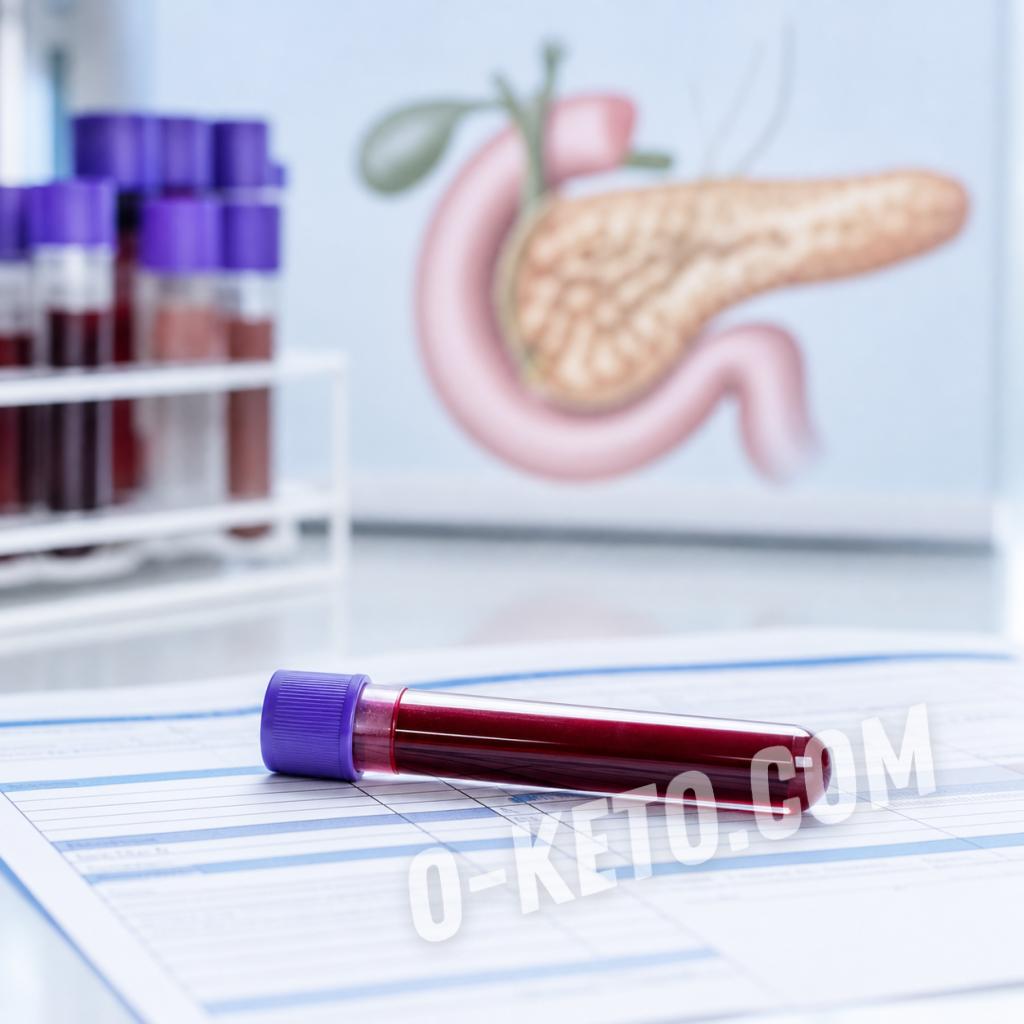
Pancreatitis is inflammation of the pancreas, and it may appear in acute or chronic form with very different effects on symptoms, laboratory findings, and digestion. The pancreas contributes not only to digestion but also to aspects of glucose regulation, which is why pancreatic inflammation rarely remains a narrow issue limited to one organ. A person may develop upper abdominal pain, nausea, vomiting, poor tolerance of fatty meals, heaviness after food, stool changes, and general weakness. In more pronounced cases this is not just ordinary digestive discomfort but a condition that may require prompt assessment because pancreatic inflammation can affect hydration, nutrition, metabolism, and neighboring organs.
What happens in the pancreas
During pancreatitis, the pancreatic enzyme system becomes involved in a process that allows the gland’s own tissue to be injured by inflammation. In acute pancreatitis this can happen rapidly and dramatically, with severe pain and a clear decline in overall condition. In chronic pancreatitis the inflammatory injury may continue more slowly, gradually reducing enzyme reserve and making digestion less efficient. Over time that means the person may not only feel pain, but may also develop signs of poor digestion, unstable stool, bloating, weight loss, or shifts in glucose handling.
Which causes are seen most often
Common causes include alcohol exposure, gallstones or impaired bile flow, heavy dietary overload, certain medications, major metabolic disturbances, very high triglycerides, and less commonly other structural or inflammatory problems. In some people biliary factors dominate, in others alcohol is central, and in still others several stresses combine. Pancreatitis may also emerge in a context where gallbladder disease, liver dysfunction, glucose dysregulation, or chronic digestive stress already exist. That is one reason it should always be interpreted more broadly than through a single blood enzyme result.
Which symptoms are especially typical
The most characteristic symptom is pain in the upper abdomen, particularly if it radiates toward the back, worsens after meals, or comes with nausea and vomiting. Bloating, heaviness, poor tolerance of fatty food, loose or greasy stool, weakness, and loss of appetite may also appear. In acute episodes, a person may look genuinely unwell and struggle to eat, drink, or move because of pain and systemic distress. In chronic pancreatitis the picture may be less dramatic but more persistent, with intermittent pain, weaker digestion, unstable stool, and gradual loss of digestive reserve.
How laboratory tests help
Assessment often includes lipase, alpha-amylase, glucose, inflammatory markers, triglycerides, and sometimes liver-related tests or imaging. Lipase is usually regarded as more pancreas-specific, but the surrounding markers help complete the picture. If enzymes rise together with pain and digestive complaints, suspicion of pancreatitis becomes stronger. If such changes recur in the setting of bile-related disease, alcohol, or repeated dietary overload, the causal context matters even more. No single laboratory number replaces clinical interpretation, but the laboratory pattern helps define where the diagnostic focus should go.
Why pancreatitis must be distinguished from other causes of pain
Upper abdominal pain also occurs with biliary colic, ulcer disease, gastritis, liver problems, functional disorders, and intestinal causes. For that reason the diagnosis cannot rest only on the vague impression that “the stomach hurts.” Clinicians examine the quality of pain, its relation to meals, whether vomiting or fever are present, which enzymes are elevated, what the biliary system looks like, and how ill the person appears overall. This distinction matters because it determines whether supportive observation and dietary correction may be enough or whether more urgent and intensive care is required.
When quicker medical review is needed
Prompt evaluation is especially important when upper abdominal pain becomes severe or progressive, vomiting is repeated, eating and drinking become difficult, fever appears, weakness increases sharply, general condition worsens, biliary obstruction is suspected, or pancreatic enzymes rise in a convincing clinical pattern. Extra caution is also warranted in recurrent chronic episodes, weight loss, greasy stool, or disturbances of glucose metabolism. Pancreatitis is best understood not as “just stomach pain,” but as a pancreatic disease that can significantly affect digestion, metabolism, and the person’s overall condition.
If you have any questions about the term "Pancreatitis", you can ask them to AI. Please note, a low-cost OpenAI model is used. It may answer questions about disease treatment with errors!


 1 / 4
1 / 4


 1 / 4
1 / 4 1 / 4
1 / 4 1 / 4
1 / 4 1 / 4
1 / 4