


Peritonitis
Severe inflammation of the peritoneum that develops when infection, bile, intestinal contents, or blood enter the abdominal cavity; the condition requires urgent medical care.



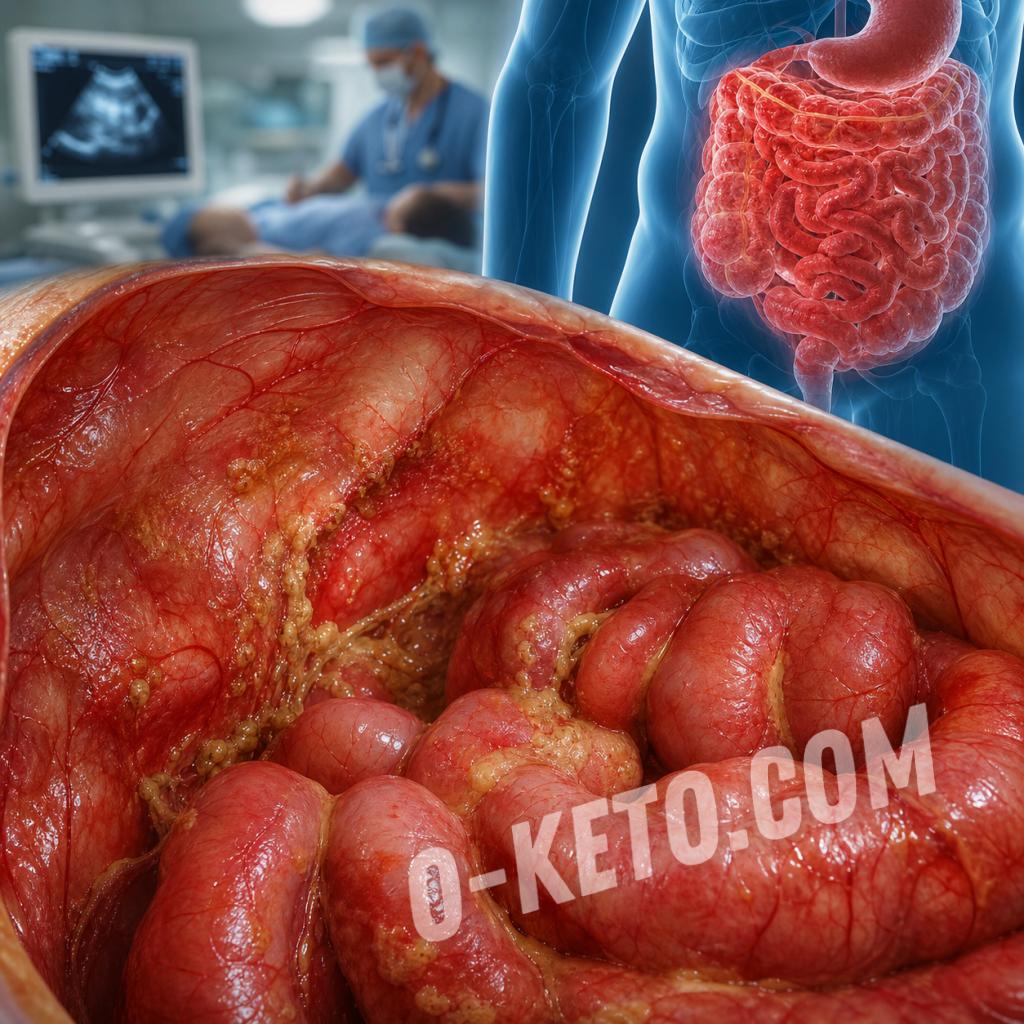
Peritonitis is inflammation of the peritoneum, the thin membrane that lines the abdominal cavity and covers many abdominal organs. In casual speech the word is sometimes used as a vague synonym for “very strong inflammation”, but clinically it refers to a truly dangerous and often urgent condition. Under normal circumstances the peritoneum allows organs to glide smoothly, contributes to local immune defense, and reacts quickly to infection or chemical irritation. When bacteria, bile, pancreatic enzymes, intestinal contents, blood, or pus enter the abdominal cavity, the inflammatory response can escalate fast and may rapidly worsen a person’s overall condition.
Why peritonitis develops
Peritonitis usually does not appear out of nowhere. Most often there is a specific source: a perforated appendix, a perforated ulcer, severe diverticulitis, complicated cholecystitis, intestinal rupture, abdominal trauma, or postoperative leakage. Sometimes the trigger is not only bacteria but also the chemical nature of the spilled material. Bile, gastric contents, and pancreatic enzymes can provoke a very painful and aggressive reaction even before the full picture becomes a massive infection.
As inflammation spreads, the peritoneum produces exudate, vascular permeability rises, pain becomes marked, and the bowel may slow down dramatically or stop moving effectively. The danger is therefore not limited to local abdominal pain. In more severe cases the person can lose fluid into the abdominal cavity, develop hemodynamic instability, and progress toward sepsis or multi-organ stress. That is why clinicians treat peritonitis as a systemic emergency rather than a simple stomach problem.
Which symptoms demand urgent attention
Common features include intense abdominal pain, tenderness to touch, guarding or rigidity of the abdominal wall, pain that worsens with movement, fever, nausea, vomiting, weakness, and a general feeling of being seriously unwell. The exact pattern depends on the cause and stage. At first the pain may be localized near the source, but as the peritoneal irritation spreads it often becomes more diffuse. Many patients instinctively lie still because walking, coughing, or turning in bed increases the pain.
If these symptoms are accompanied by chills, dry mouth, fast pulse, confusion, severe weakness, or failure to pass stool and gas normally, the situation should be treated as urgent. Peritonitis rarely resolves with home measures. In most cases the source of contamination must be identified quickly and the person needs fluids, monitoring, antibiotics, and sometimes surgery. Waiting in the hope that the abdomen will “settle down” can be a dangerous mistake.
What tests and scans show
Inflammatory markers such as the white blood cell count, C-reactive protein, and sometimes procalcitonin are often elevated in peritonitis. Even very abnormal tests, however, do not answer the most important question on their own: where is the source and is there organ damage or perforation? That is why laboratory work is always combined with clinical examination and imaging. Doctors need to understand the timing of symptoms, the location of pain, the pattern of vomiting, the degree of tenderness, and whether signs of dehydration or shock are present.
Acute abdominal disease may also alter neighboring biochemical markers, which is why peritonitis can appear as one possible context on analysis pages. Still, that should never be read as a self-diagnostic shortcut. A laboratory deviation can support concern about a serious abdominal process, but it cannot replace an exam, ultrasound, CT, or the overall medical decision about urgent treatment.
Why peritonitis is so dangerous
The main danger is speed. A local source can turn into widespread abdominal inflammation and systemic illness very quickly if contamination continues. Fluid shifts into the so-called third space, electrolyte losses mount, bowel function slows, and the inflammatory burden on the whole body increases. Nutrition tolerance falls, circulation may become unstable, and the risk of sepsis rises. The longer the source remains uncontrolled, the harder recovery may become.
For that reason peritonitis is not a topic for experiments with diet, adsorbents, spasmolytics, or simply waiting until morning. Even if one enzyme or inflammatory marker does not look dramatic yet, the severity of symptoms and the cause matter more than one isolated number. Early medical contact improves the chance of finding the source, stabilizing the person, and preventing severe complications.
How to think about recovery and food
After the acute problem is controlled, nutrition becomes important for recovery. The plan depends on the cause of peritonitis, whether surgery was needed, bowel motility, hydration, and protein status. But that is the second phase, not the first. In the acute stage the key goal is not to choose the perfect diet but to recognize a critical abdominal condition and get proper care quickly. The practical takeaway is simple: peritonitis should be treated as severe abdominal inflammation that needs urgent in-person medical management.
If you have any questions about the term "Peritonitis", you can ask them to AI. Please note, a low-cost OpenAI model is used. It may answer questions about disease treatment with errors!

 1 / 4
1 / 4


 1 / 4
1 / 4 1 / 4
1 / 4


 1 / 4
1 / 4 1 / 4
1 / 4