


Postoperative healing
Recovery after surgery depends not only on the procedure itself, but also on protein intake, micronutrient status, inflammation control, and the pace of collagen formation.
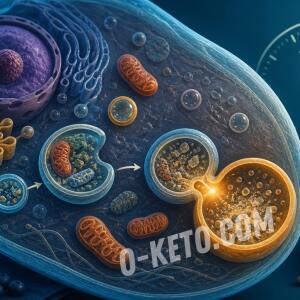


Postoperative healing includes several stages: stopping bleeding, an early inflammatory response, formation of new connective tissue, and gradual remodeling of the scar. The speed and quality of this process depend not only on the surgeon and the size of the procedure, but also on the person’s metabolic condition. Recovery is strongly influenced by protein status, glucose control, hydration, tissue oxygenation, age, smoking, anemia, and deficiencies of vitamins or minerals. When these resources are lacking, wound edges stay vulnerable longer, sutures may hold less firmly, and weakness or swelling can persist beyond what is expected.
What happens in the tissues after surgery
Immediately after an operation, the body focuses on limiting blood loss and protecting the damaged area. Then an inflammatory phase begins, not as a goal in itself but as a way to clear damaged cells and prepare for repair. After that, fibroblasts become more active, build collagen, form granulation tissue, and strengthen the incision zone. On the later stage the scar is still being remodeled, and tissue strength rises gradually. This is why internal recovery may continue for weeks even when a person already feels much better.
If someone has insulin resistance, diabetes, marked undernutrition, low albumin, anemia, or chronic inflammation, the stages of healing often move more slowly. Dehydration, nausea, low appetite, poor sleep, and fear of eating after surgery can create additional strain. In practice, this means recovery needs more than rest alone. It also requires a reasonably structured approach to food, fluids, and correction of associated problems.
Why nutrition and vitamin C matter here
Vitamin C is involved in collagen synthesis, immune function, and protection of tissues against excessive oxidative stress. After surgery, the need for it may rise because the body has to build new tissue faster while also handling the inflammatory response. This does not make ascorbic acid a stand-alone treatment, but it does explain why it is often included in supportive recovery plans together with protein, zinc, magnesium, and adequate energy intake.
People with restricted diets, smokers, older adults, and those who have eaten very few vegetables, berries, or other vitamin C sources are especially sensitive to low intake. In these situations, fatigue, gum bleeding, slower recovery, or capillary fragility may reflect a shortage of building and protective factors rather than random complaints. On a low-carb or ketogenic diet this issue also remains relevant. Carbohydrate restriction itself does not impair healing if protein, electrolytes, and non-starchy vitamin C sources are still sufficient.
What can slow recovery down
Healing is often worse with poor glucose control, significant protein deficiency, iron deficiency, smoking, heavy alcohol intake, and prolonged stress. Major surgery on the stomach or intestines deserves separate attention because appetite may fall and food tolerance can change. Even a theoretically good diet may need to be adjusted to what the patient can actually digest. If someone barely eats, avoids protein, drinks very little water, or lives on broth and tea alone, recovery usually becomes slower.
It is also important to account for medications and chronic disease. Glucocorticoids, immunosuppressants, severe anemia, chronic infections, and liver or kidney disease may alter both needs and limits. In such cases, supplements have to fit into the overall medical plan instead of being used in isolation. The postoperative period is not the right moment for chaotic experiments. It is a period when the body benefits from predictable and stable recovery conditions.
Practical support measures
Support is usually built around several basics: adequate protein, gentle foods that are tolerated well, regular fluids, bowel support, prevention of electrolyte depletion, and sensible micronutrient help. If the physician has not restricted food intake, it helps to think in advance about foods the person can manage in the first days: eggs, fish, fermented dairy, tender meat, soft vegetables, soups, and simple protein-rich meals. With a ketogenic approach it is important not to let the menu become excessively dry and not to forget sodium, potassium, and magnesium.
In this context, vitamin C is viewed as part of recovery support, not as a replacement for surgical follow-up. If redness, worsening pain, bad odor from the wound, fever, wound separation, profound weakness, or inability to eat and drink appears, the issue is no longer nutrition alone but a need for medical reassessment. The earlier dehydration, constipation, poor pain control, or inadequate protein intake are corrected, the smoother recovery usually becomes.
When repeat medical assessment is needed
Normal healing should not be accompanied by steadily worsening condition. Urgent review is appropriate with high fever, bleeding, pus, sharply increasing pain, marked swelling around the incision, shortness of breath, repeated vomiting, signs of dehydration, or confusion. In people with diabetes, cancer, immune deficiency, or after major abdominal operations, the threshold for seeking help should be especially low. Supportive nutrition and micronutrient strategies are useful only when they complement proper follow-up rather than hiding a complication that needs direct treatment.
If you have any questions about the term "Postoperative healing", you can ask them to AI. Please note, a low-cost OpenAI model is used. It may answer questions about disease treatment with errors!


