


Cancer
Cancer is not one disease but a large group of malignant processes in which cells lose normal growth control, so what matters is not only the existence of a tumor but also its type, stage, organ of origin, biology and the overall state of the person.






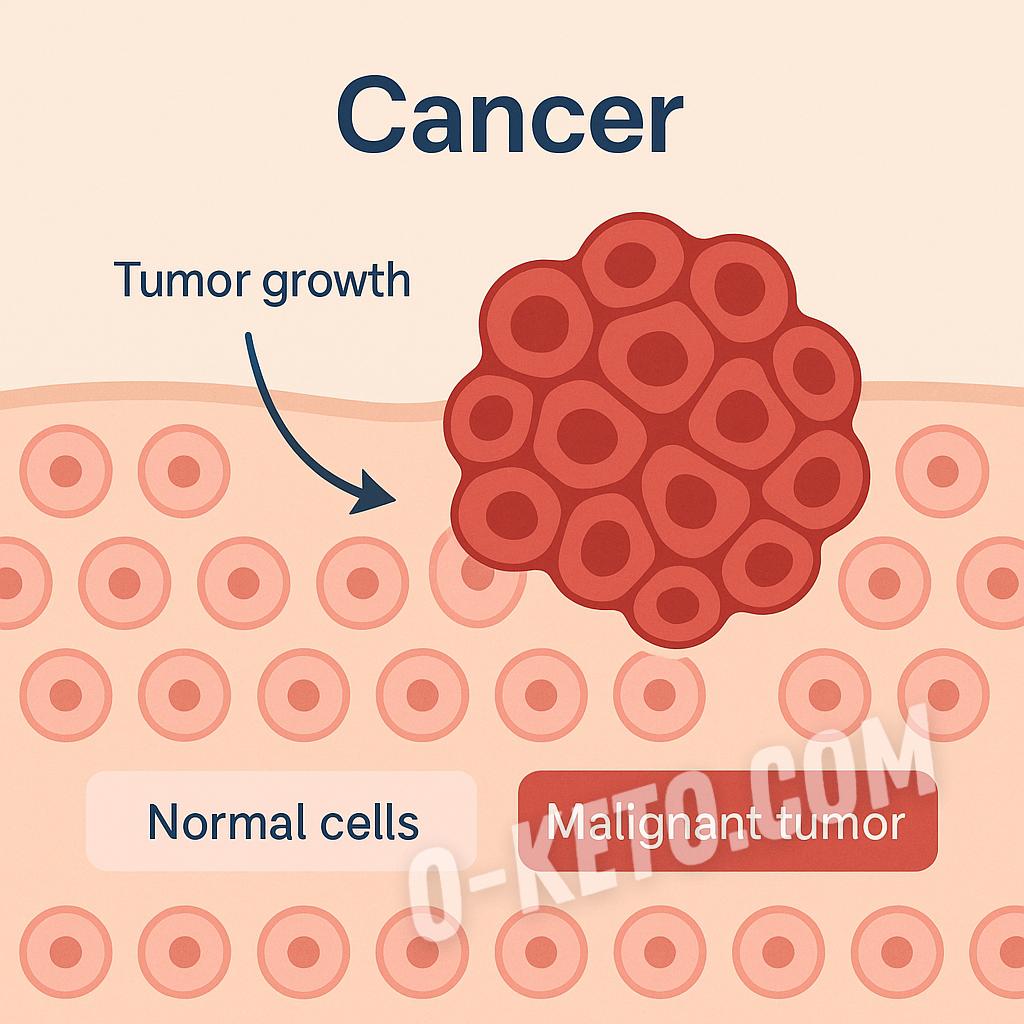
Cancer is not a single diagnosis but a broad name for a large group of malignant diseases in which cells escape normal growth control and begin to damage the structure of the tissues from which they arise. That is why any real conversation about cancer must immediately become more precise: which organ, what type, what stage and what biological behavior. The practical meaning of the word lies in the fact that it covers very different scenarios, from localized disease with a strong chance of control to systemic illness requiring complex combined therapy. Cancer cannot be discussed honestly as if it were the same path for every person.
Why cancer is not the same in everyone
Malignancies differ by tissue of origin, growth speed, invasive potential, metastatic behavior, treatment sensitivity and links to hormones, smoking, infection, heredity and metabolic background. Breast cancer, colon cancer, melanoma, leukemia and lung cancer are fundamentally different clinical worlds despite sharing one umbrella term. This is why a single generic fear response adds little unless the actual biology and stage of the process are understood.
A common mistake is to hear the word “cancer” as an instant uniform sentence without considering how different prognosis and management can be from one tumor to another.
How disease may present
Manifestations depend on location and stage. They may include a lump, bleeding, weight loss, weakness, pain, change in bowel habits, persistent cough, prolonged fever or skin changes. In some cases early disease causes almost no obvious symptoms and is found only through screening or incidental examination. This is one reason oncology places such importance on early detection programs: when the tumor is not yet loudly announcing itself, the window of opportunity may be much wider.
Absence of pain therefore does not automatically mean absence of serious disease, and the presence of pain does not by itself prove cancer without further clarification.
What influences risk and prognosis
Risk is influenced by age, heredity, smoking, alcohol, obesity, infections, radiation exposure, chronic inflammation, hormonal background and some occupational factors. Prognosis, in turn, depends on stage at discovery, tumor type, molecular features, overall condition of the person and response to treatment. That is why the same word “cancer” hides enormous variability in real-life stories. One of the most practical questions is not simply “why did this happen,” but “what exact process is this and at what point in its course has it been found?”
The earlier and more precisely tumor biology is described, the more meaningful prognosis and treatment become.
Nutrition, body weight and supportive background
Nutrition is not a magical treatment for cancer, but overall nutritional status, protein intake, muscle mass, treatment tolerance and weight control strongly affect resilience and recovery. In some people the problem is not excess calories but wasting and muscle loss caused by the disease itself. That is why the nutrition conversation in oncology should stay concrete: support body mass, preserve protein adequacy, improve treatment tolerance and avoid falling into fraudulent promises of “curing cancer with food.” Both extremes are dangerous — ignoring nutrition completely or trusting fanatical anti-cancer diets instead of medical care.
The practical role of nutrition is to support treatment and the body’s reserves, not to replace oncology strategy.
When especially careful evaluation is needed
Especially careful evaluation is needed with suspicious symptoms, family history of certain tumors, unusual bleeding, persistent weight loss, prolonged unexplained inflammatory states and any finding that needs oncologic verification. The most sensible way to think about cancer is not as one “terrifying word,” but as a group of biologically different malignant processes in which early detection, exact classification and thoughtful medical strategy are critical.




If you have any questions about the term "Cancer", you can ask them to AI. Please note, a low-cost OpenAI model is used. It may answer questions about disease treatment with errors!


 1 / 4
1 / 4


 1 / 4
1 / 4

